
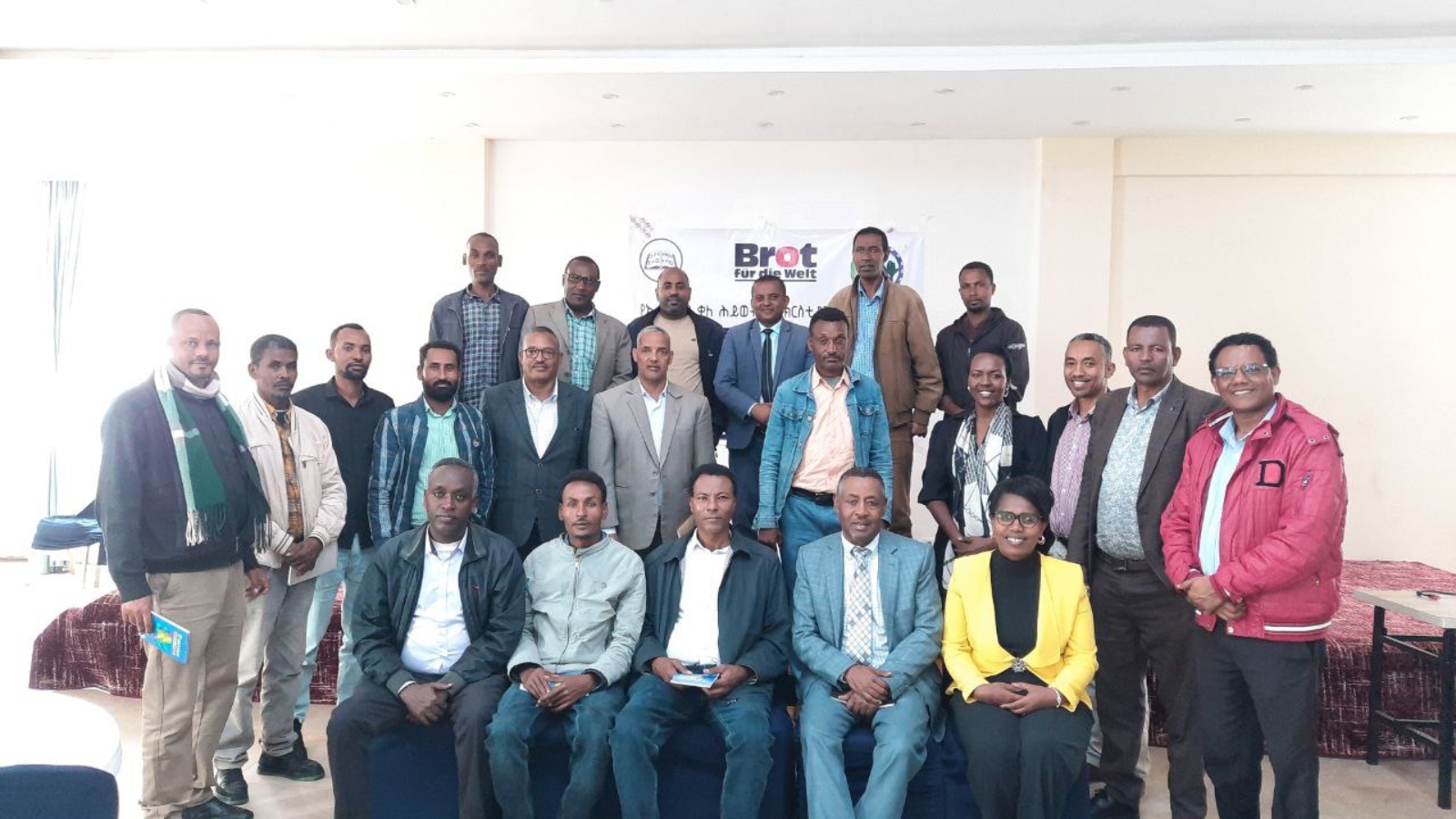
The Ethiopian Kale Heywet Church Development Commission has officially launched a multi-locational “Ecologically Friendly Livelihood Improvement Project (EFLIP) – Phase I” recently in Oromia, Sidama, Southern Ethiopia, and Central Ethiopia Regional States.
The total estimated three-year budget for the implementation of the EFLI project is 54,890,000 ETB or € 998,000 (assuming that the 1€= 55.00 Ethiopian birr) and 50% of the budget will be covered by Bread for the World and the rest 50% will be covered by EKHCDC.
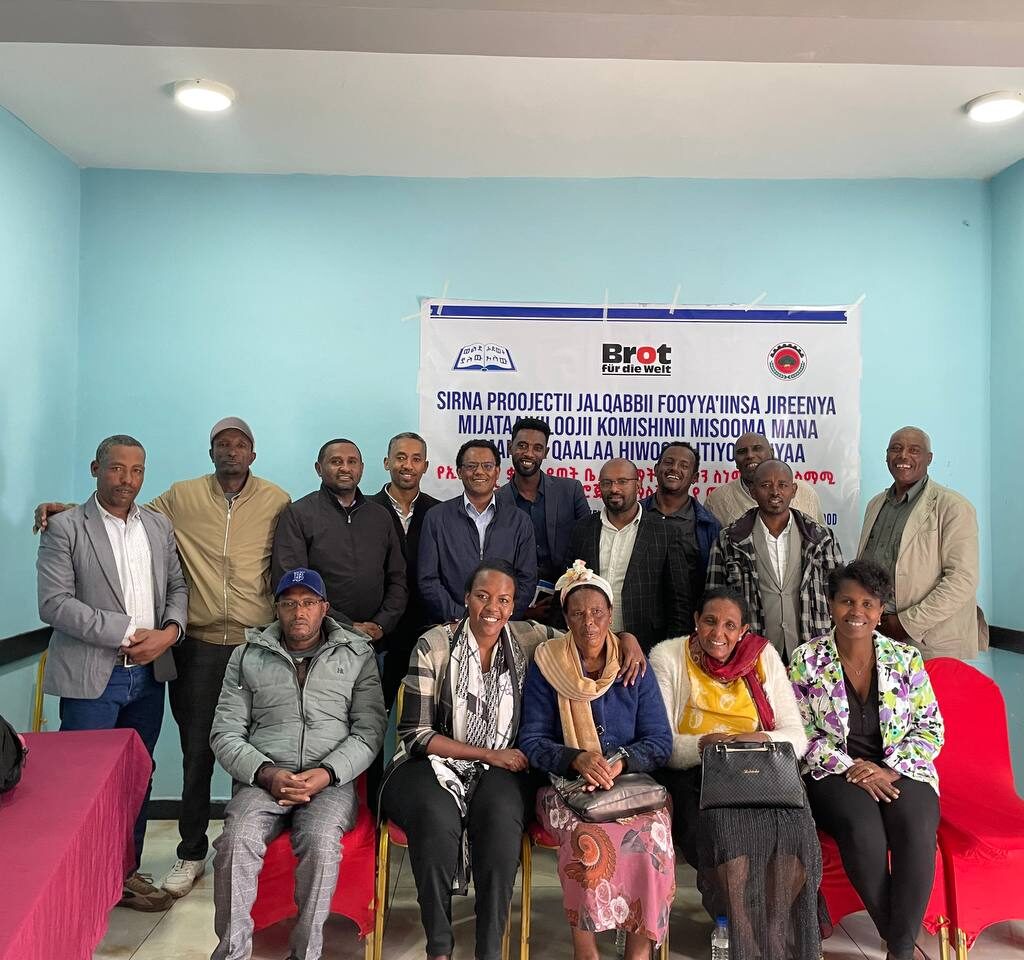
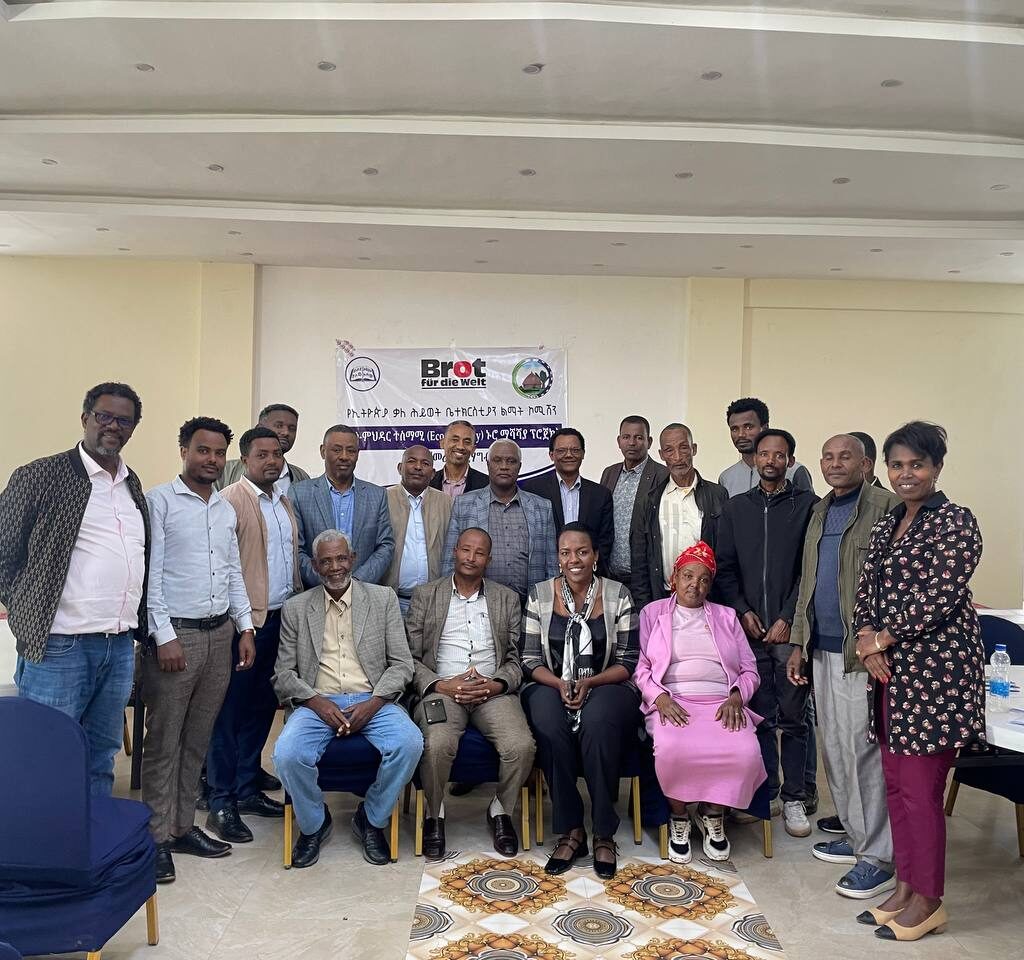
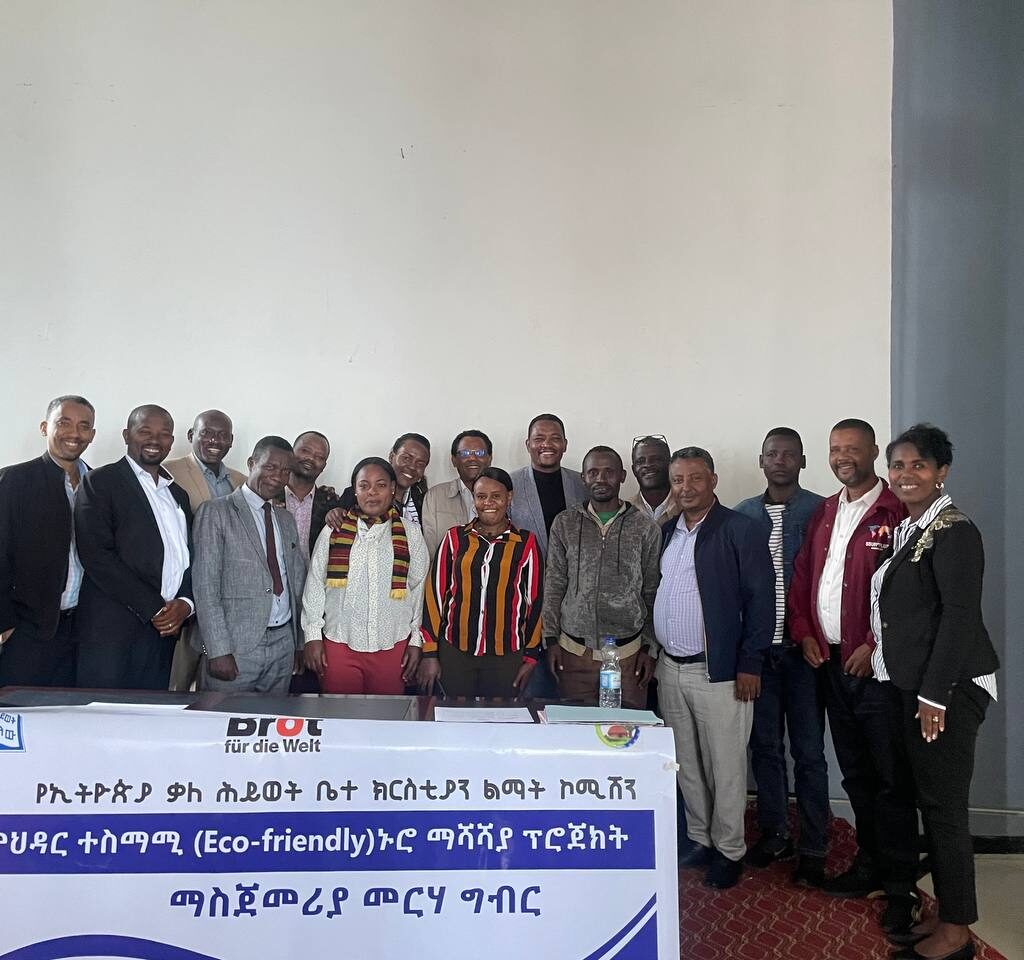
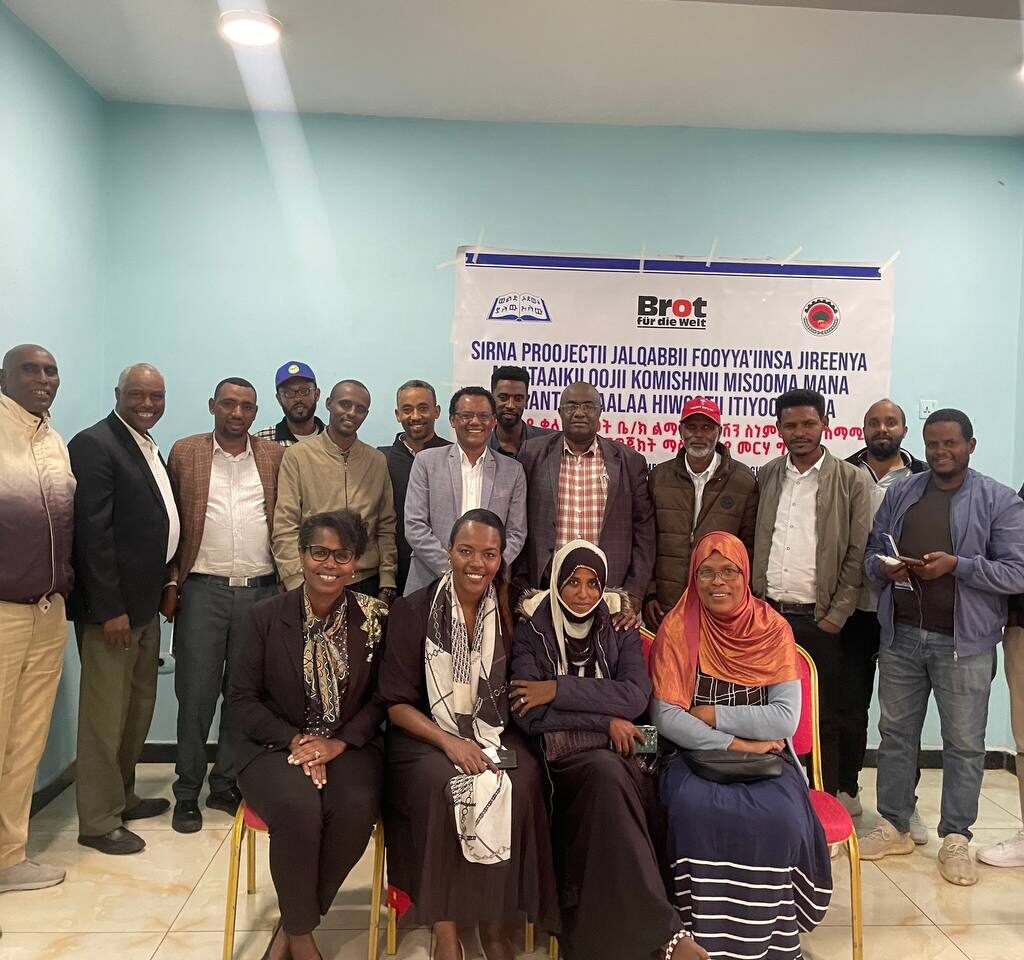
The launching of the project was successfully held on 6th August 2024 at Hawassa, Rori Hotel, on 9th August 2024 at Hossana, Adila Hotel, on 20th August 2024 at Dilla, Delight Hotel and on 22nd 2024, at Shashemene, Tantostina Hotel respectively.
The project launch marked the official inauguration of EFLI project at Hawasa zuriya woreda, Sidama region, at Adilo and Gomobora woreda, Central Ethiopia region, at Dilla zuriya woreda, Southern Ethiopia region and Adaba woreda, Oromia region with shared goal, responsibility and accountability among all stakeholders. The events were honored by the presence of Ethiopian Kale Heywet Church Development Commission (EKHCDC) commissioner Dr Tefera Talore, Regional/Zonal/District Bureau of Agriculture Head/Representative, Regional/Zonal/District Bureau of Women and Children Affairs Head/Representative and Regional/Zonal/District Bureau of Finance Head/Representative from Sidama region, Central Ethiopia region, Southern Ethiopia region and Oromia region and Chairpersons and secretary generals of Central South Ketena EKHC management team, South East Shoa Ketena EKHC management team, South Shoa Ketena EKHC management team, South Ketena EKHC management team and Bale special Hibret EKHC management team.
The opening sessions of the project launching events were made by The Ethiopian Kale Heywet Church Development Commission (EKHCDC) commissioner Dr Tefera Talore and EKHCDC’s Livelihood Improvement and Disaster Resilience Directorate Director, Mr. Dinku Shumi. The two dignitaries welcomed the honorable guests and made an introductory speech.
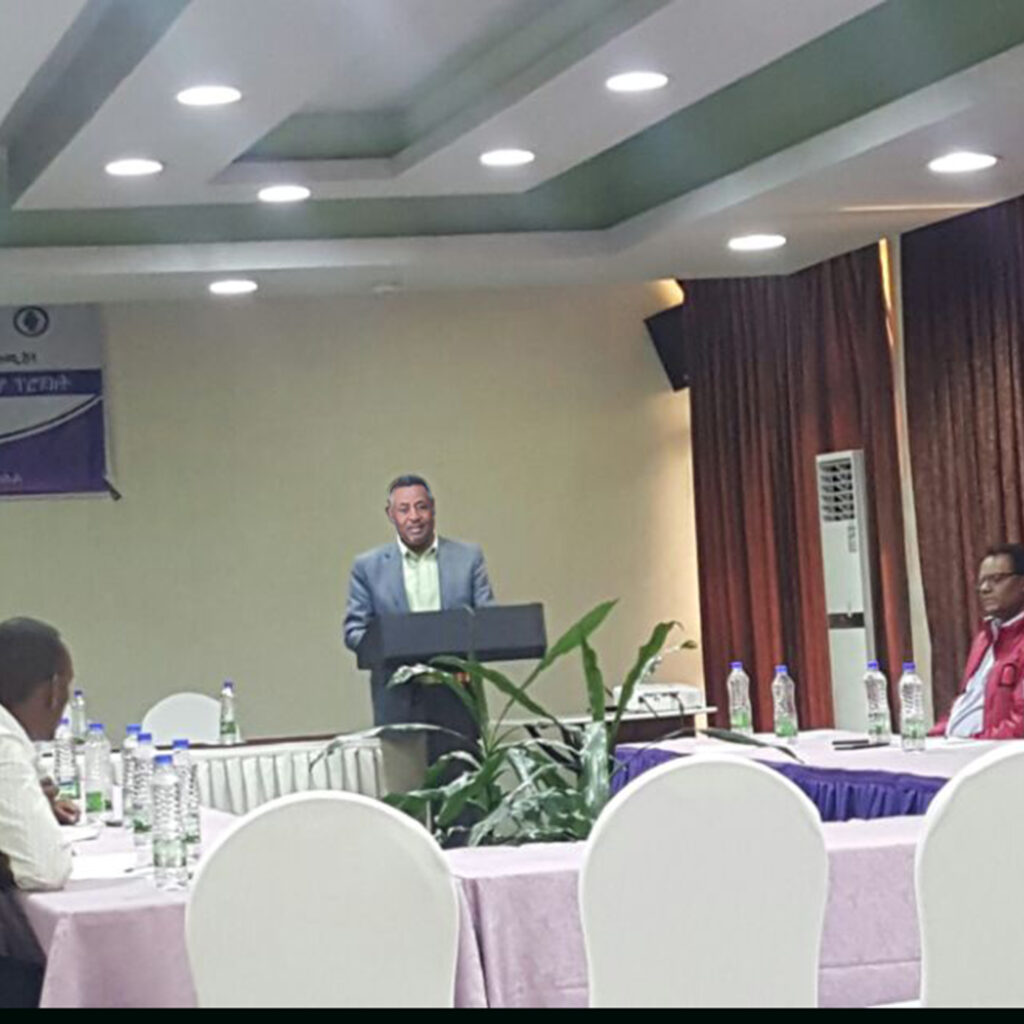
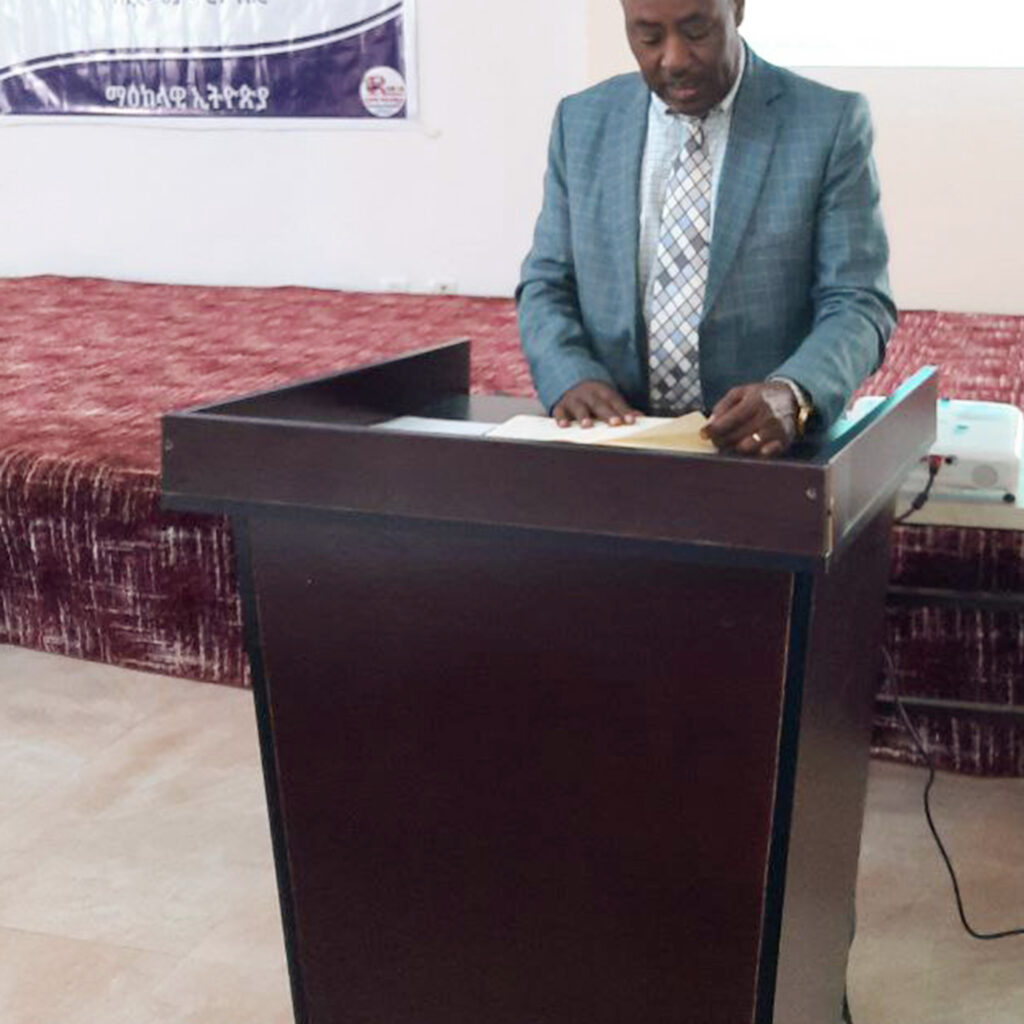
In his opening speech, The Ethiopian Kale Heywet Church Development Commission (EKHCDC) commissioner Dr Tefera Talore said that the Ethiopian Kale Heywet Church Development Commission has been executing Relief and Development activities for more than 50 years and will continue to do so where the need is greatest. He noted the commitment of the commission to work with the government to bring the community’s sustainable development by utilizing their untapped resources and potential.
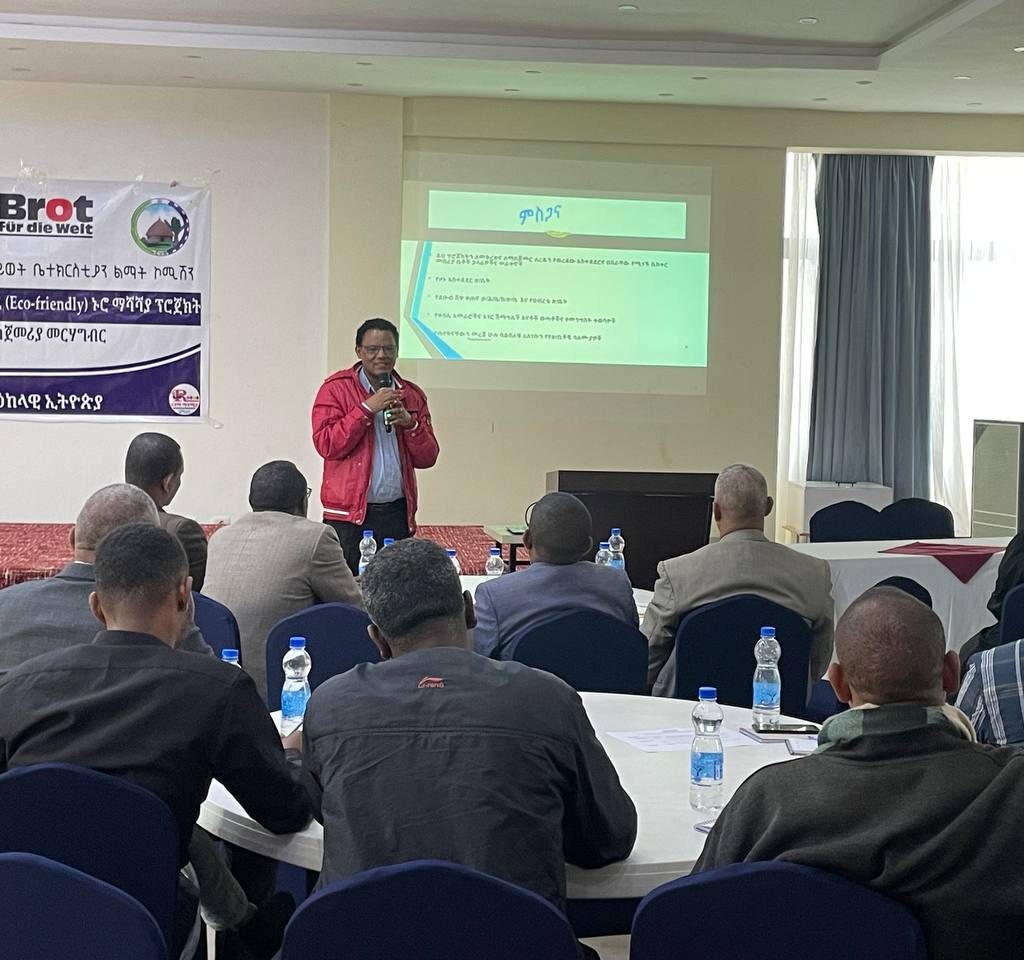
Mr. Dinku Shumi, The Director of Livelihood Improvement and Disaster Resilience Directorate, on his part marked the unique nature of EFLI project and he said in order to bring community’s sustainable development all community actors (Government, faith based organizations and other social institutions) must work together by utilizing their untapped resources and potentials.

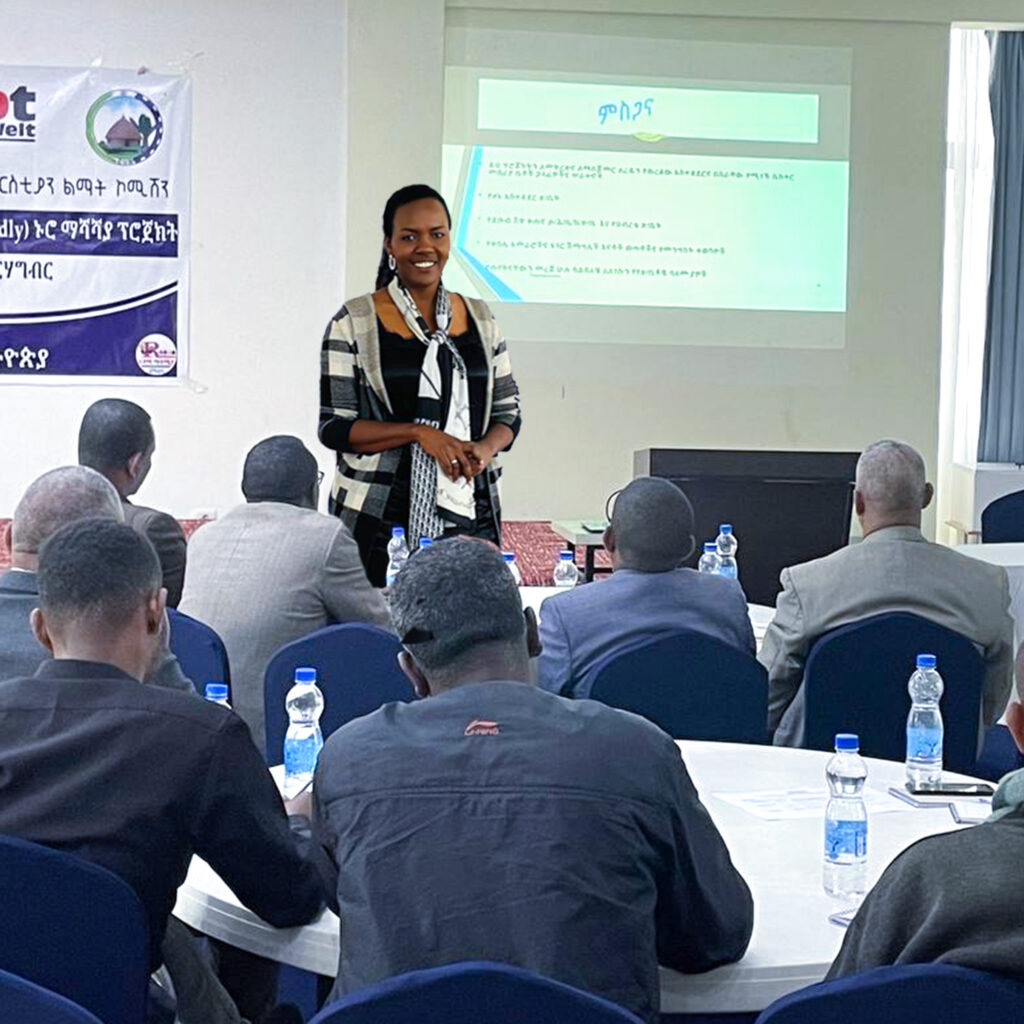
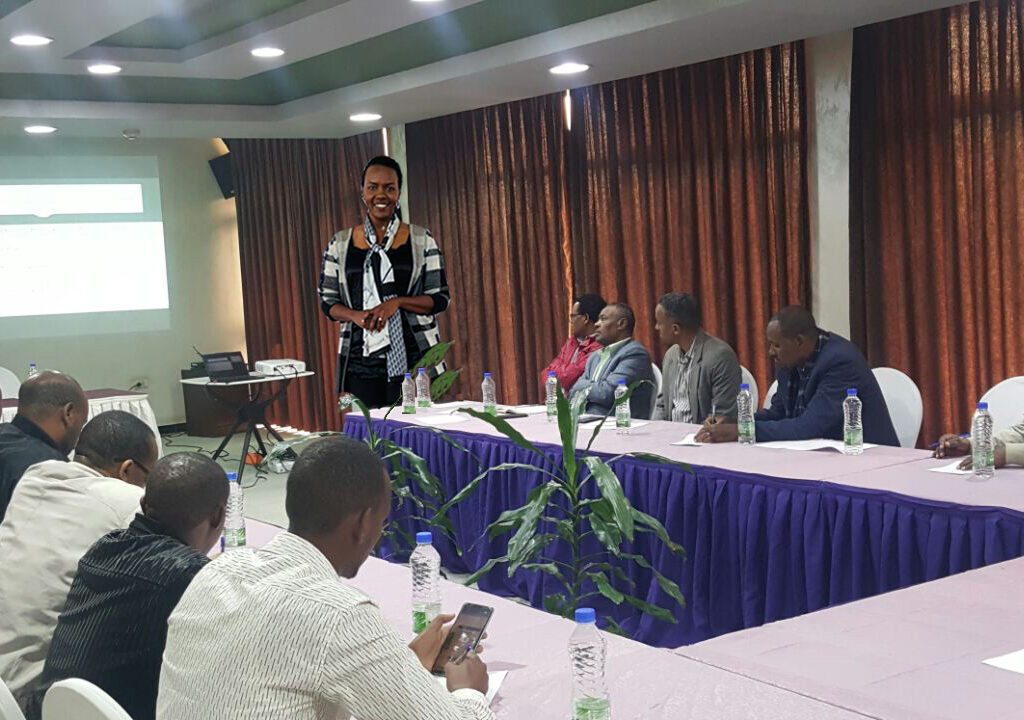
Mrs. Tesfashbamlak Molla, the Livelihood and Agriculture coordinator and the focal person of the EFLI project has made a brief presentation that addresses the purpose and the scope of the Ecologically Friendly Livelihood Improvement Project (EFLIP). In her presentation, she reviewed the main activities, the project budget in the form of matching funds, and strategies to achieve project goals and objectives. This was followed by forwarding questions and comments from participants a thorough discussion was made and adequate responses were given to questions raised. Alongside, an assignment was given to the project management committee at five project intervention areas to develop a resource mobilization action plan within the given time frame which is one week from the day project launch. Finally, the Secretary Generals of Central South Ketena EKHC management team, South East Shoa Ketena EKHC management team, South Shoa Ketena EKHC management team, South Ketena EKHC management team, and Bale special Hibret EKHC management team have made closing remarks with the spirit of championship and closed the sessions with a word of prayer.
The total direct beneficiaries, including the intermediaries of this Project, is planned to be 3,890 out of which 2,079 or 54% are women and 1,811 or 46% are men meanwhile indirect beneficiaries are 90,000 (45,900females and 44,100 male) residing in the 15 Kebeles of the five target Woredas.