
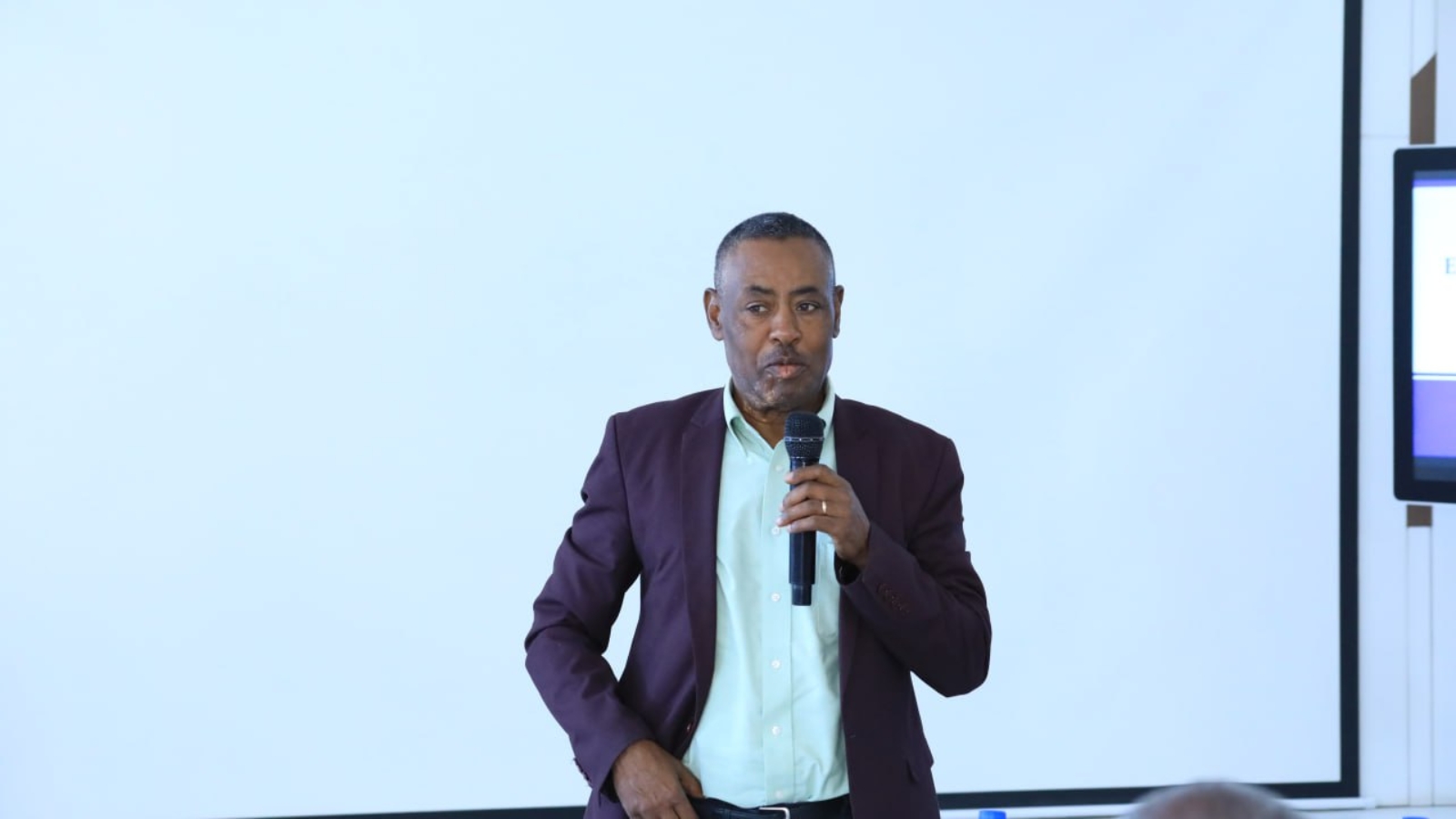
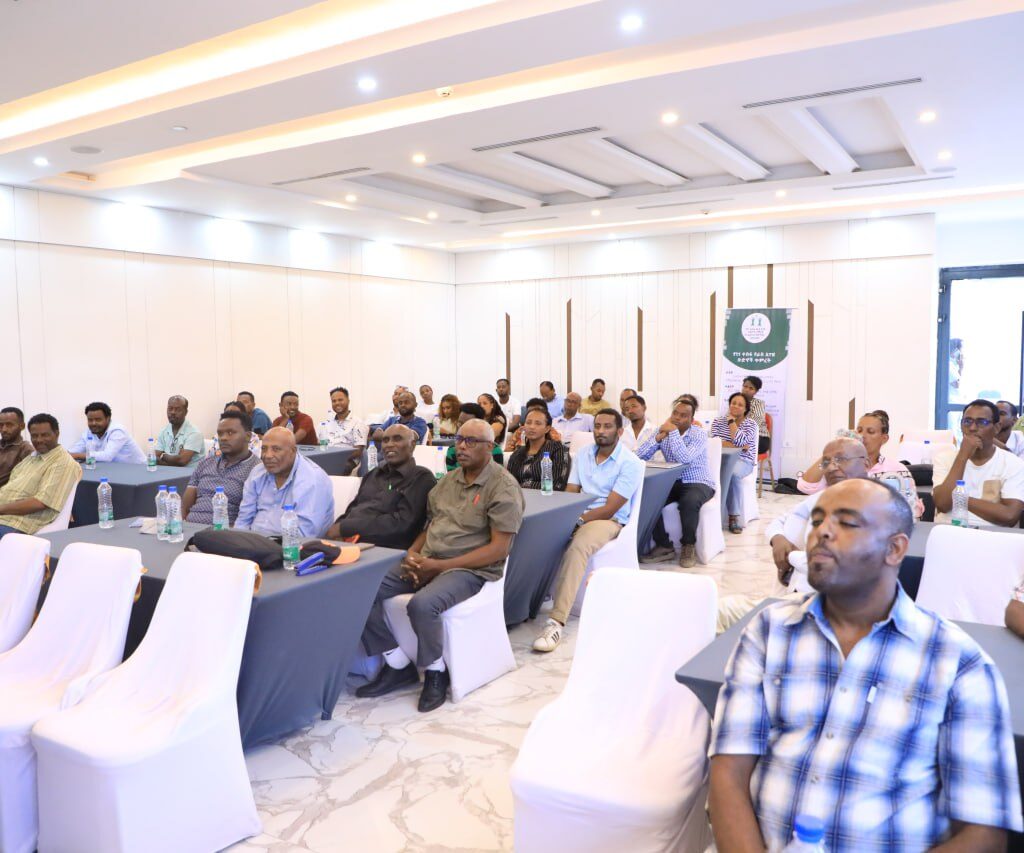
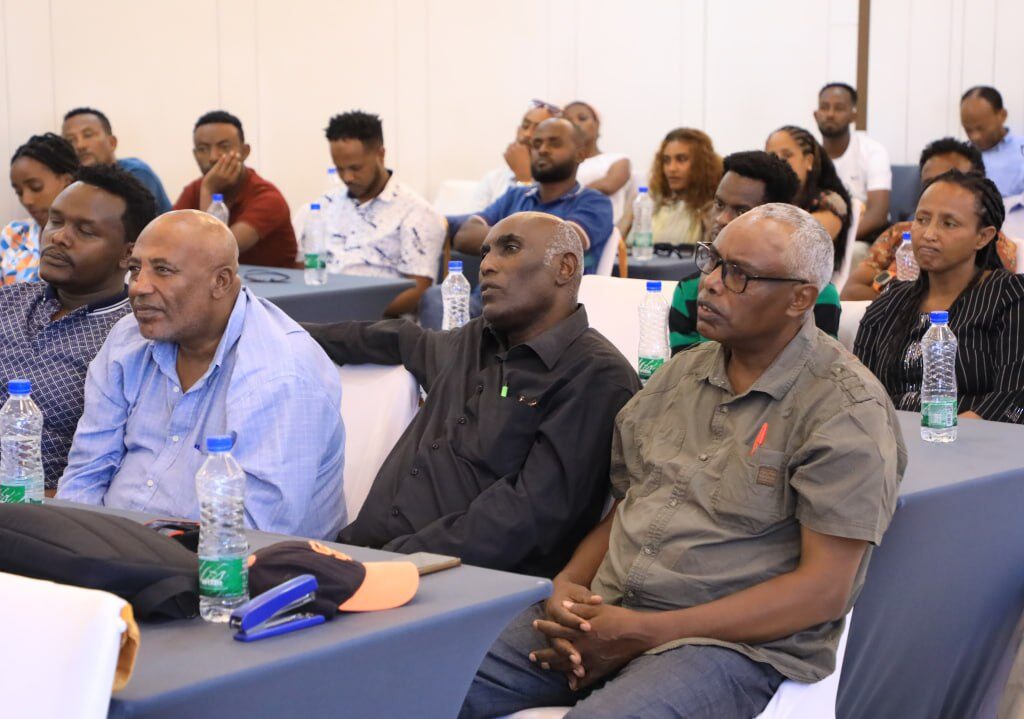
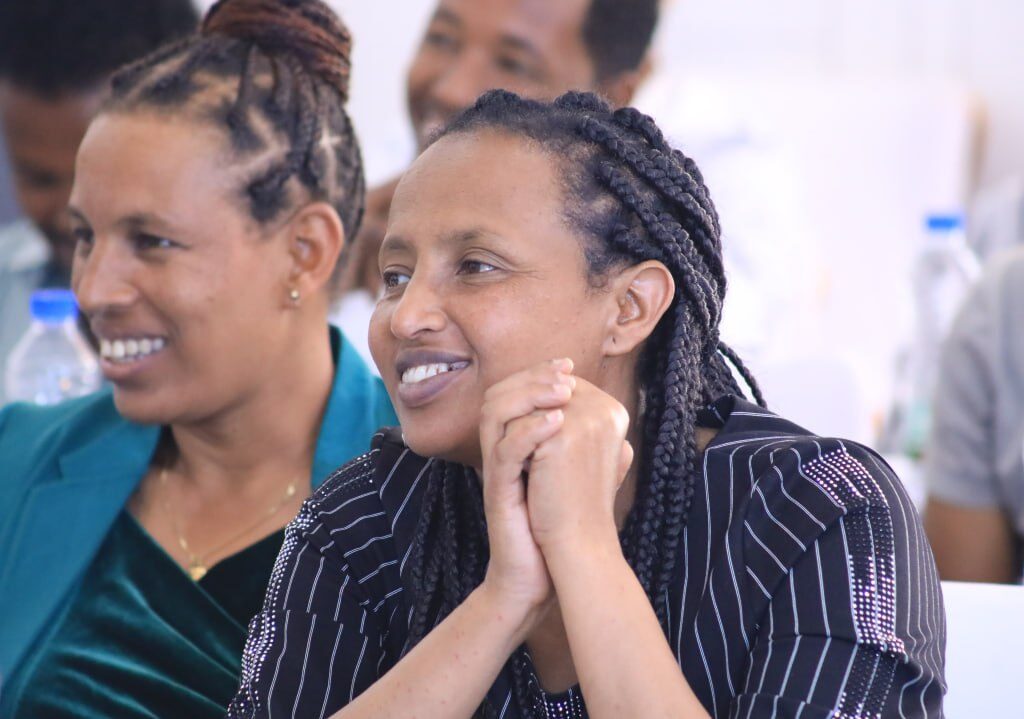
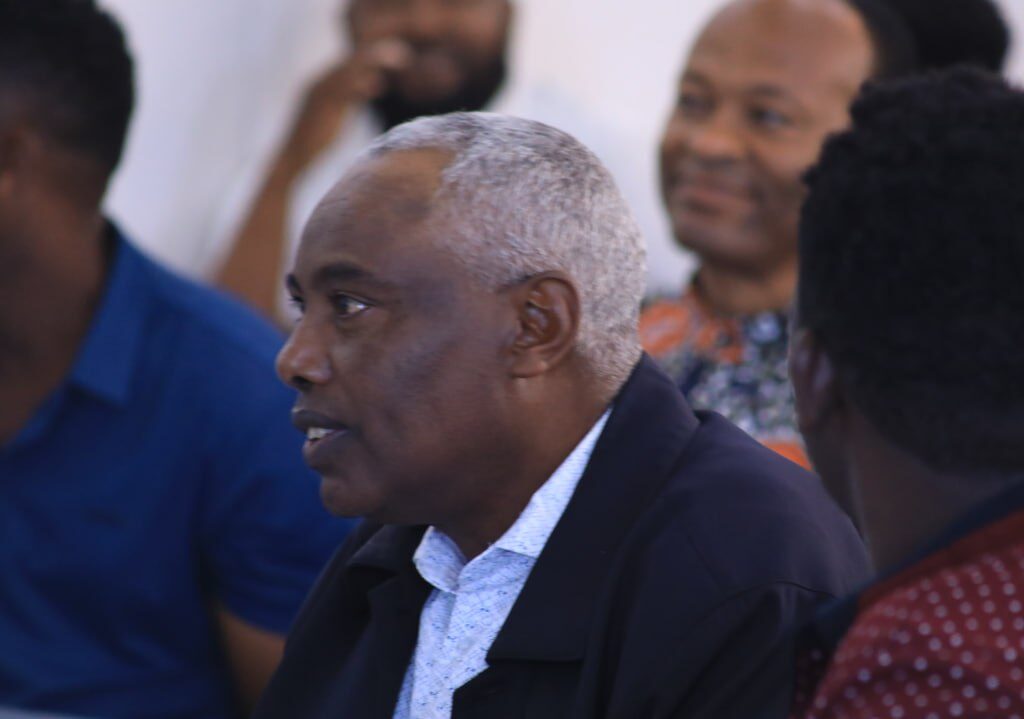
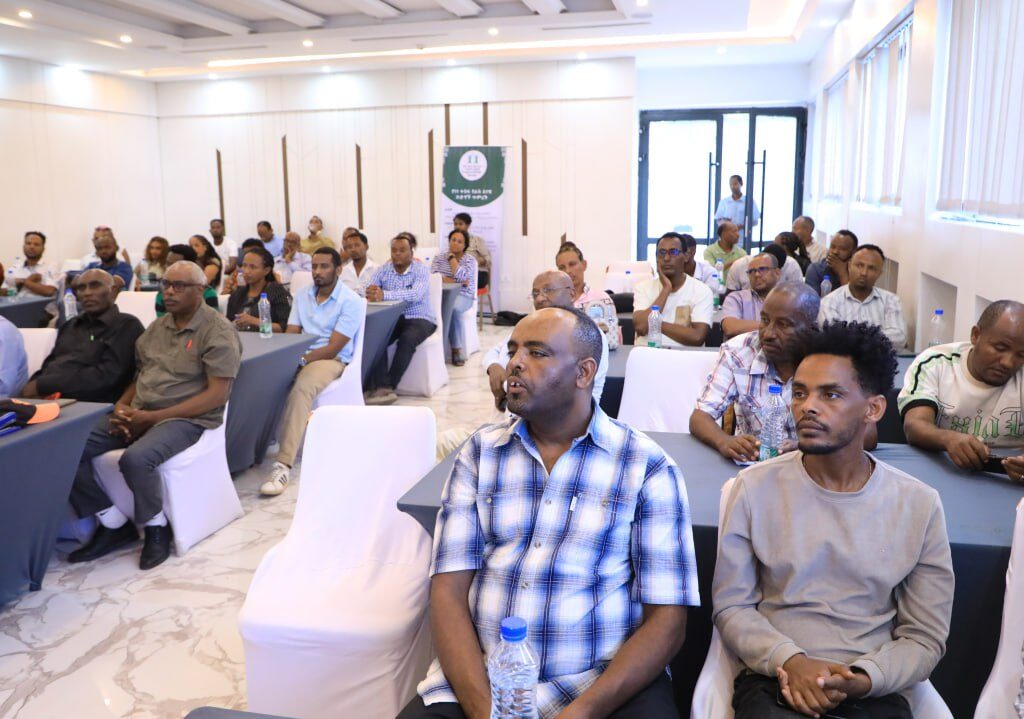
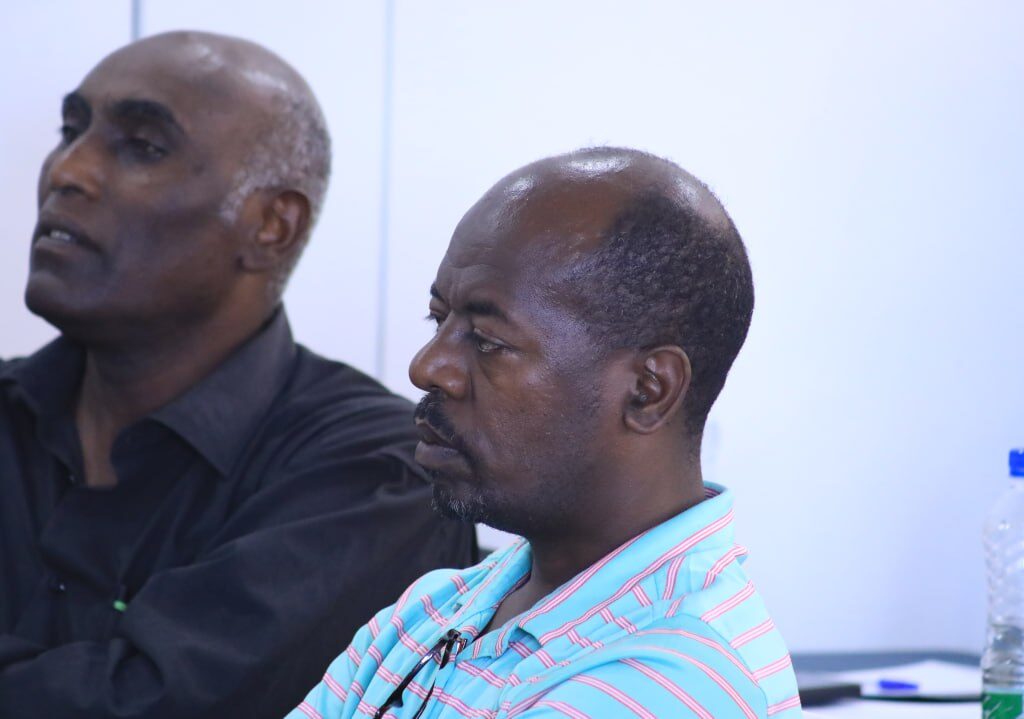
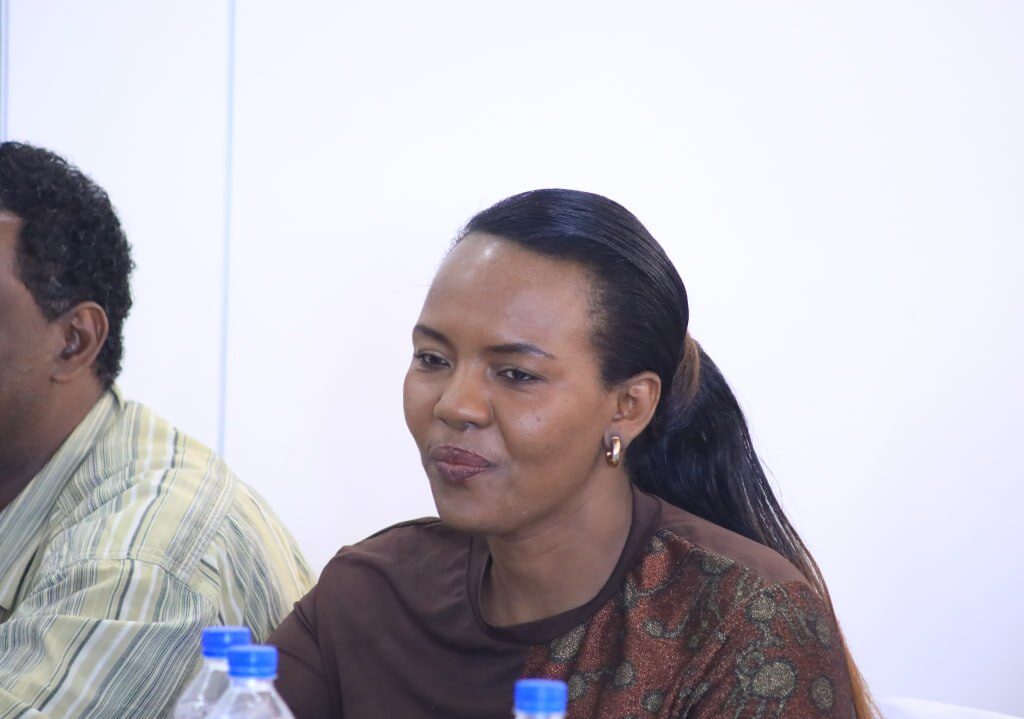
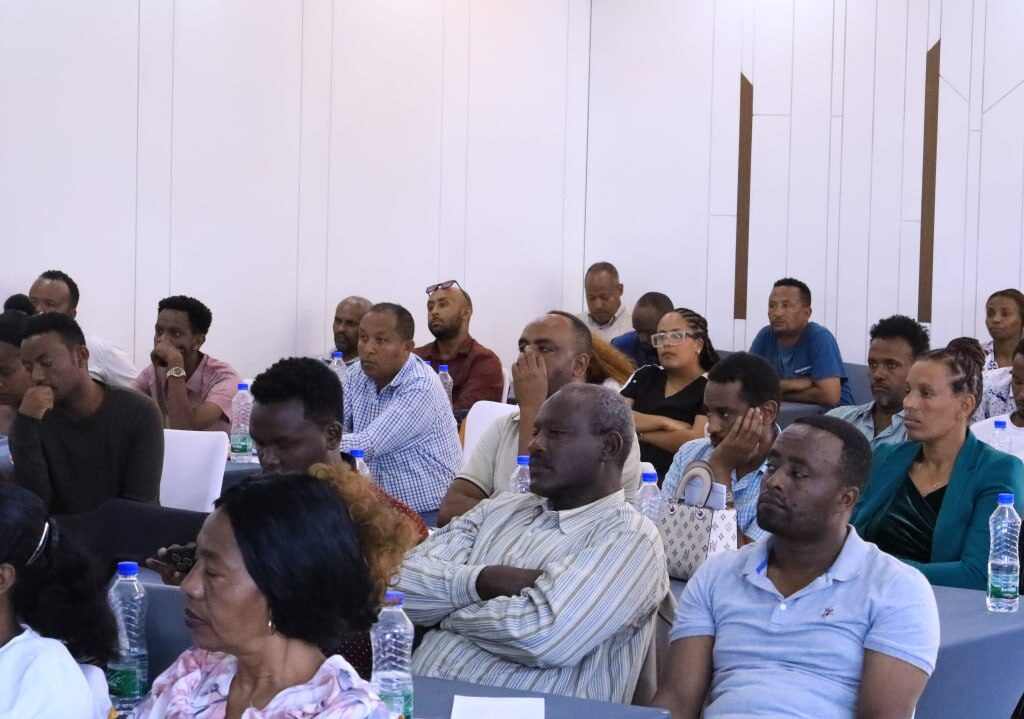
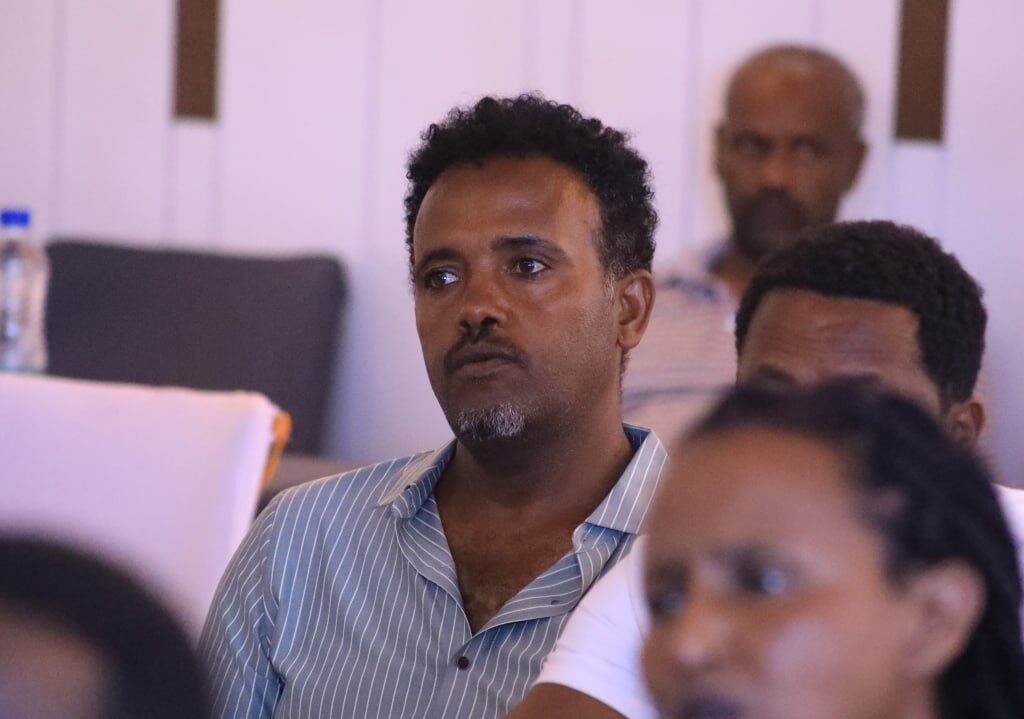
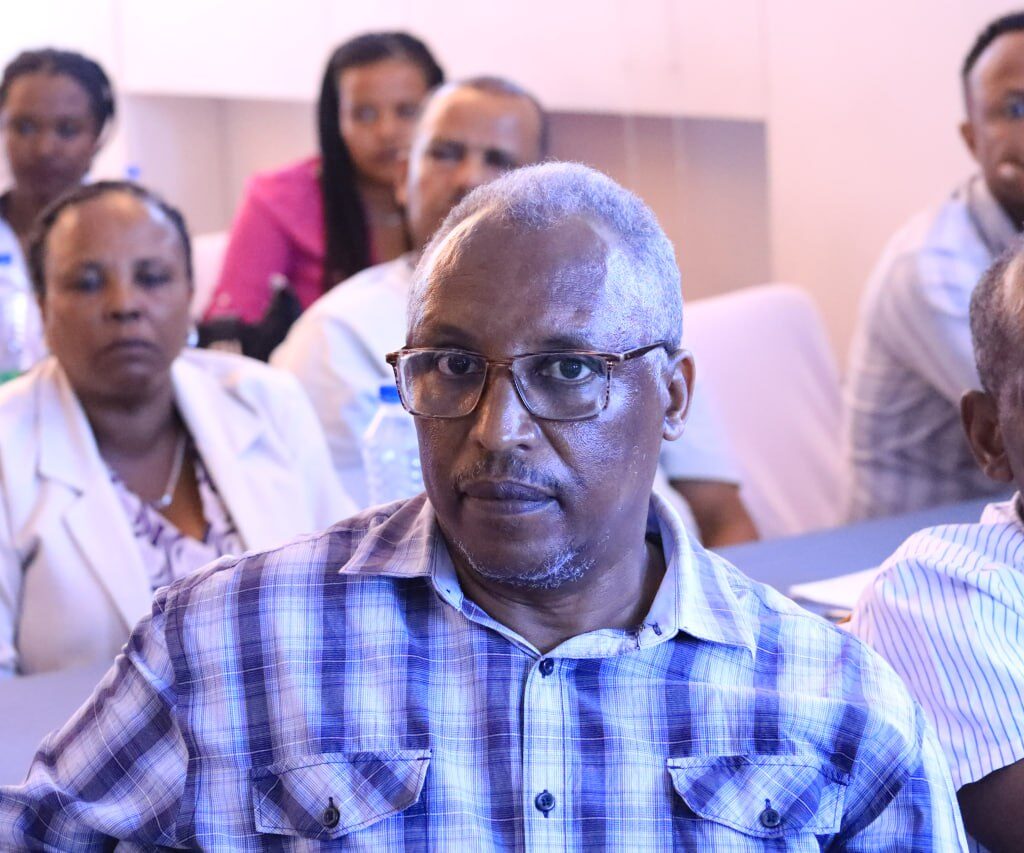
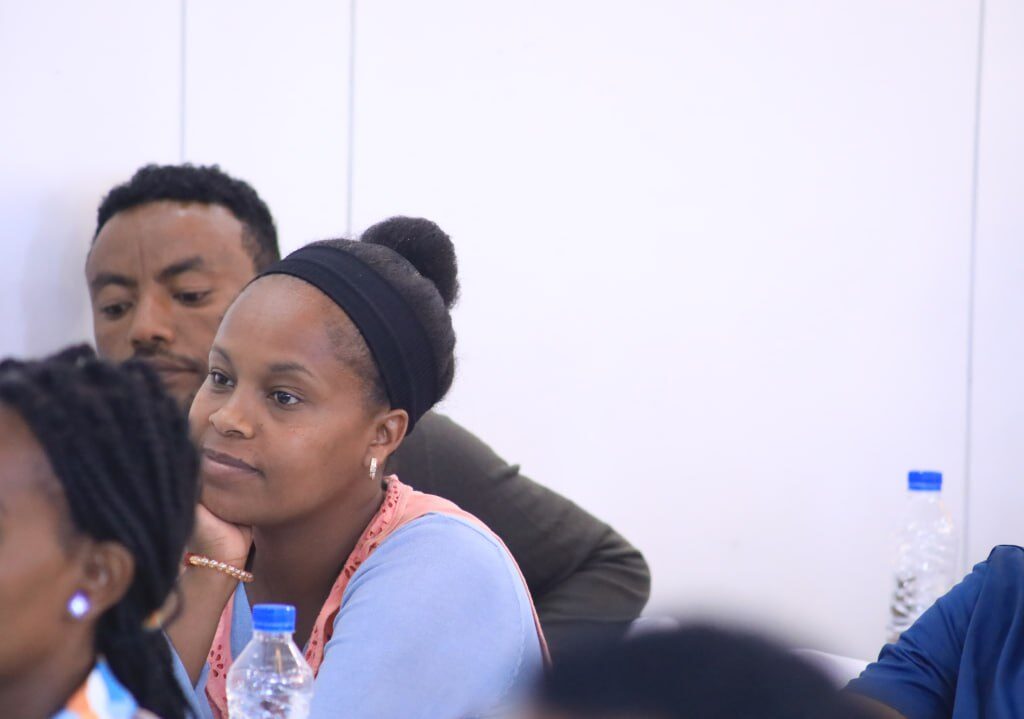
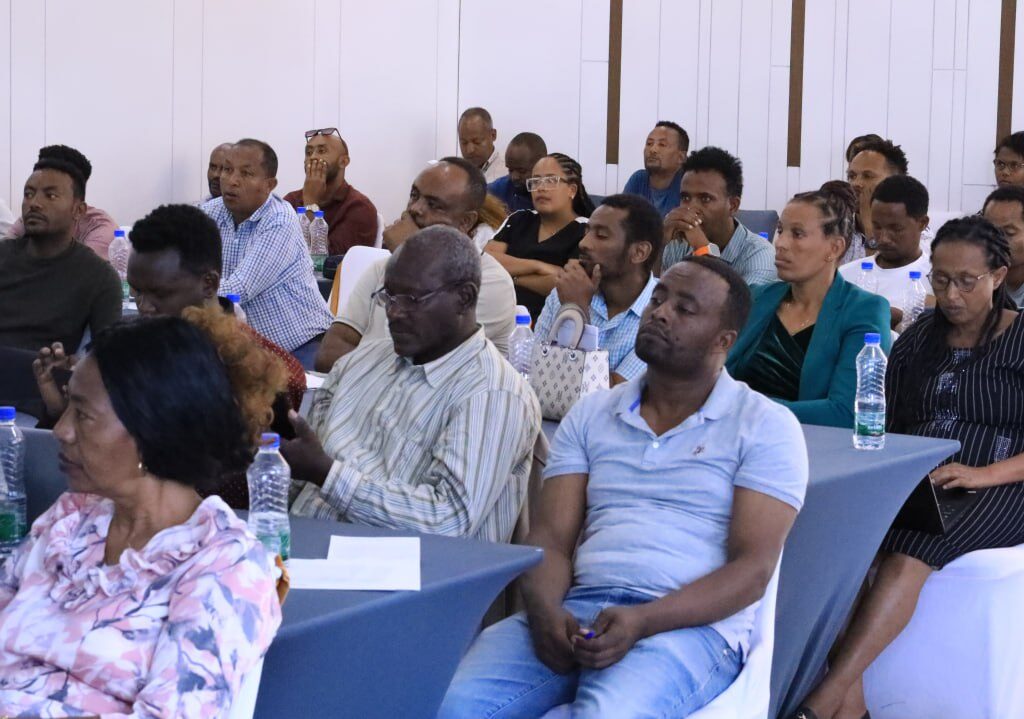
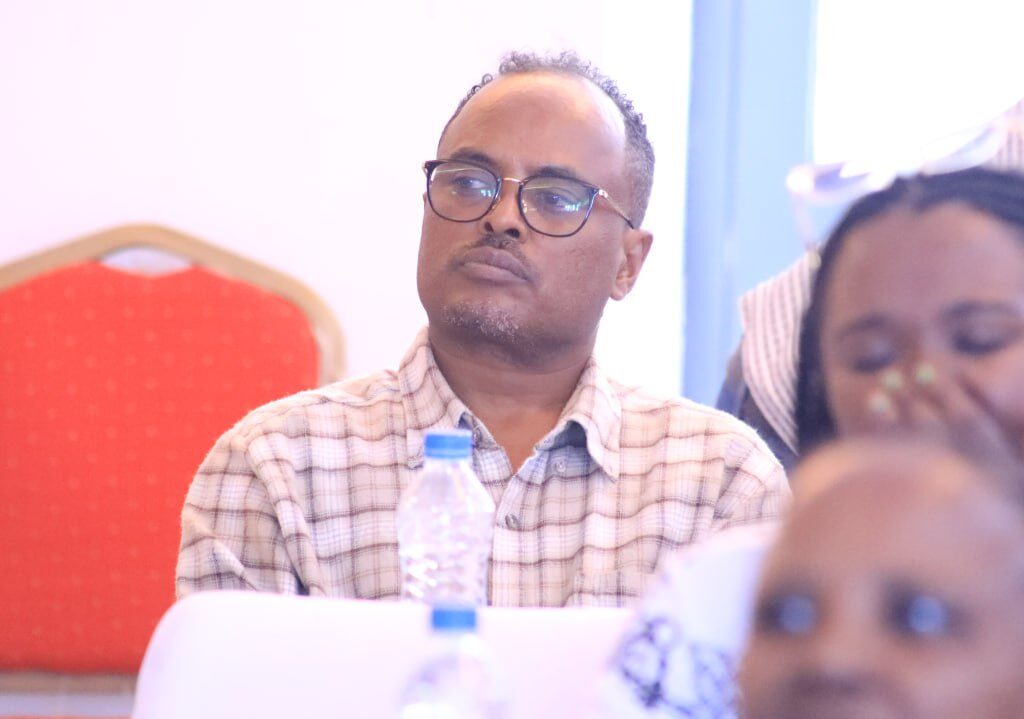
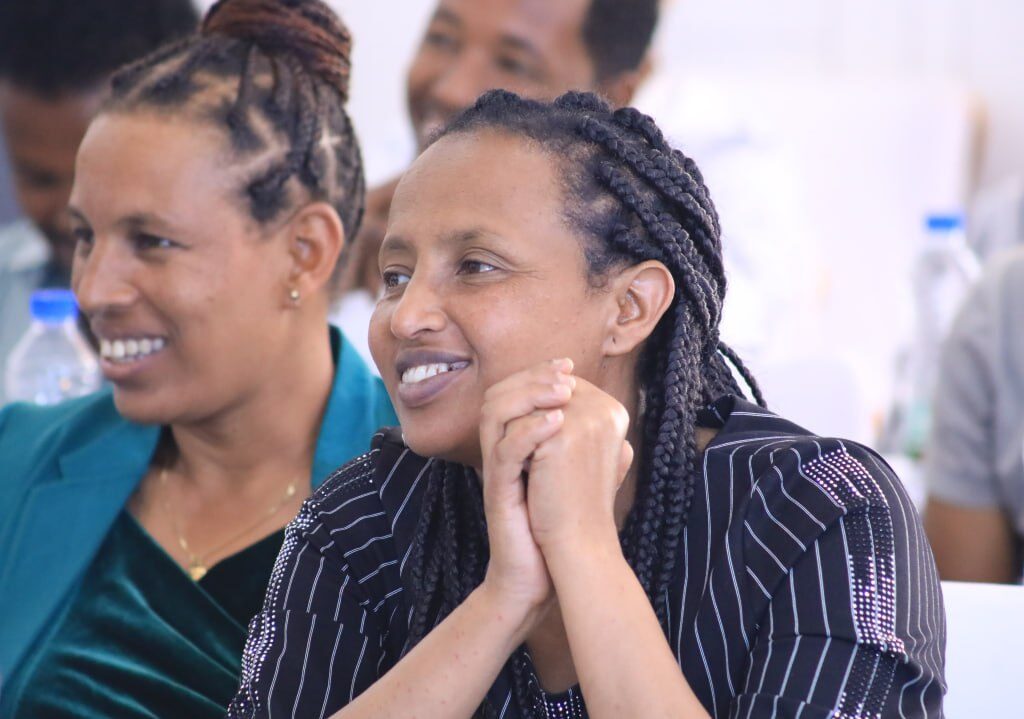
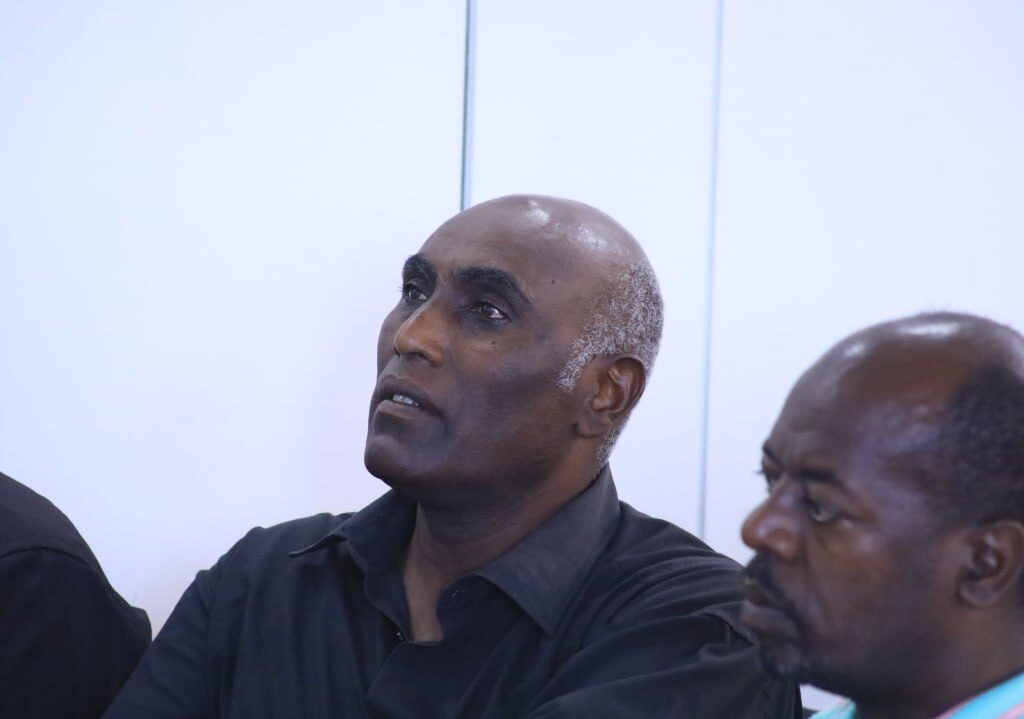
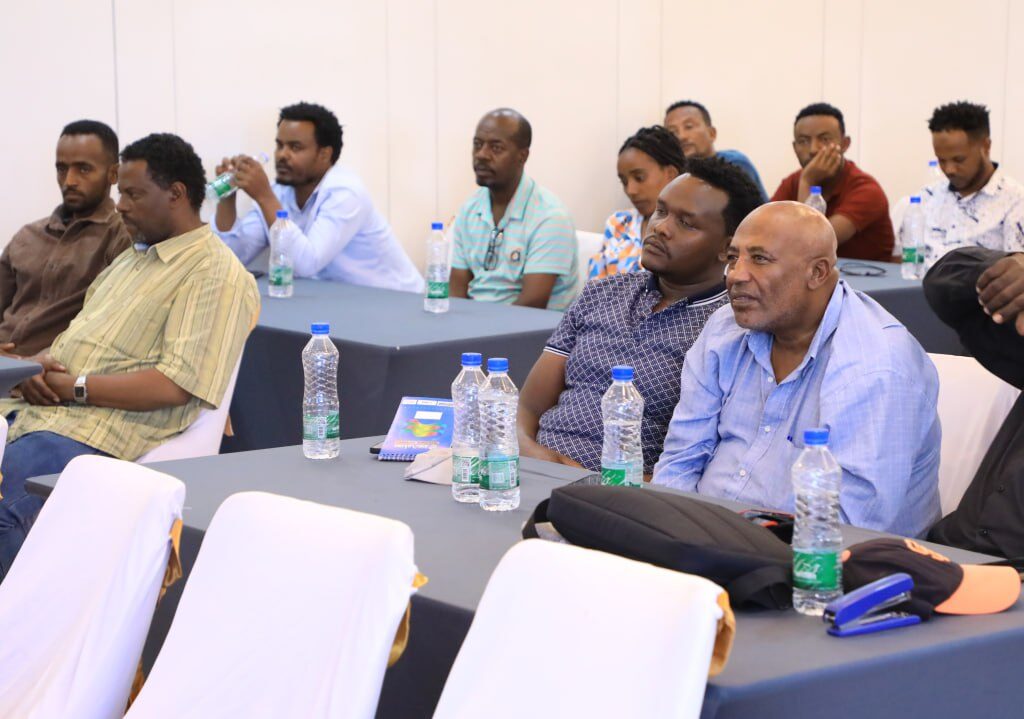
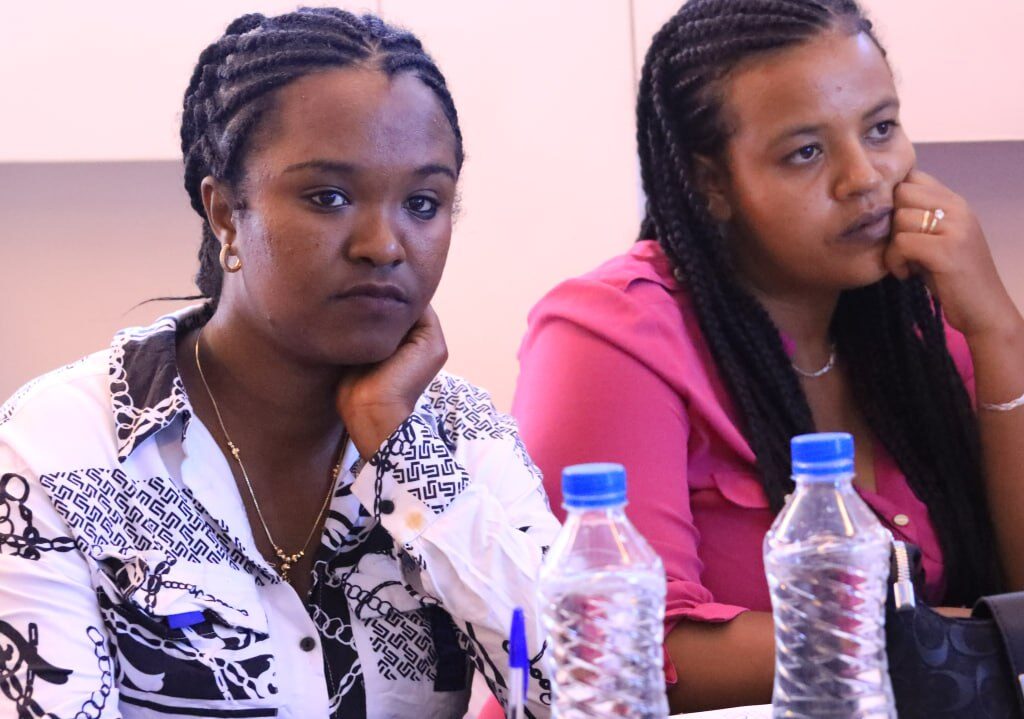
Adama, Ethiopia – The Ethiopian Kale Heywet Church Humanitarian Aid and Development Commission (EKHC-HADC) convened its annual Livelihood Development, and Disaster Response (LDDR) review and relearning meeting today in Adama in May 3, 2025. The gathering brought together selected project coordinators, managers and staff from across the country to evaluate progress, reflect on challenges, and collect inputs for future improvements.
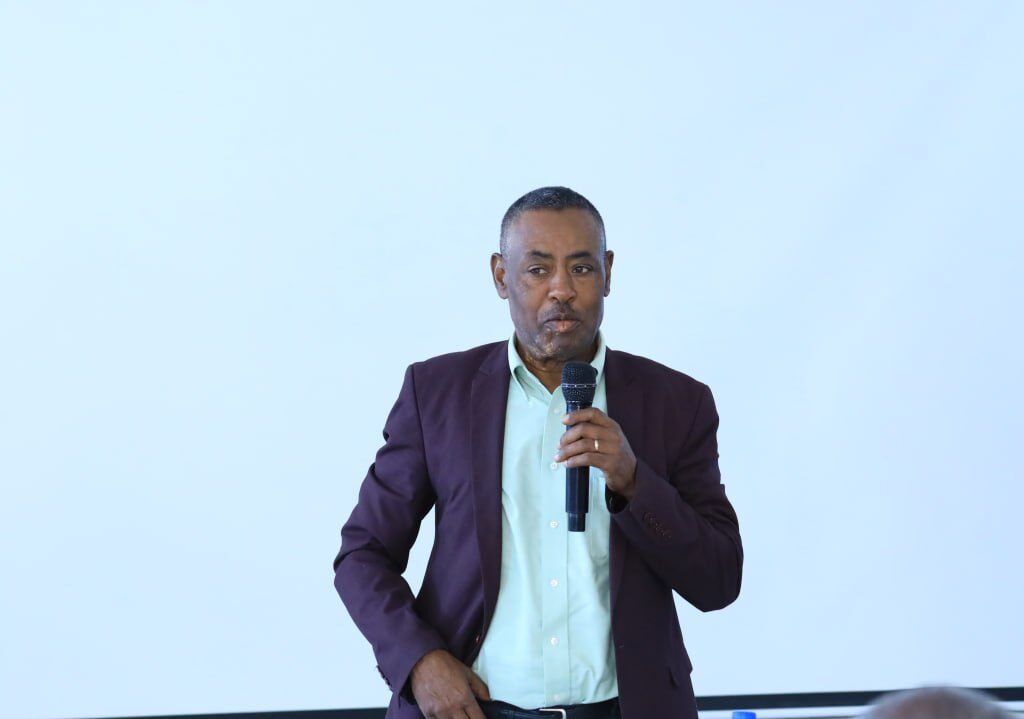
In his opening remarks, EKHC-HADC Commissioner Tefera Talore(PhD) emphasized the importance of the event, noting that the annual review is a time to reflect on achievements, identify performance gaps, and shape future strategies. “As believers, we gather not just to measure outcomes but to realign our work with God’s purpose—striving to serve communities better,” he said. Tefera(PhD) also encouraged participants to uphold Christian values such as integrity, compassion, and love in their mission to uplift marginalized communities.
He posed a critical question to attendees: “Are we outperforming others in our sector?” While outcomes may speak for themselves, he stressed the importance of sustaining both the quality and scale of their interventions through deeper collaboration and stronger value-based work.
LDDR Program Director at EKHC-HADC Dinku Shumi praised the teams for their continued commitment and urged staff to improve reporting standards, stakeholder engagement, and program visibility. He highlighted that consistent collaboration with government agencies, donors, and communities is vital for securing grants and enhancing impact.
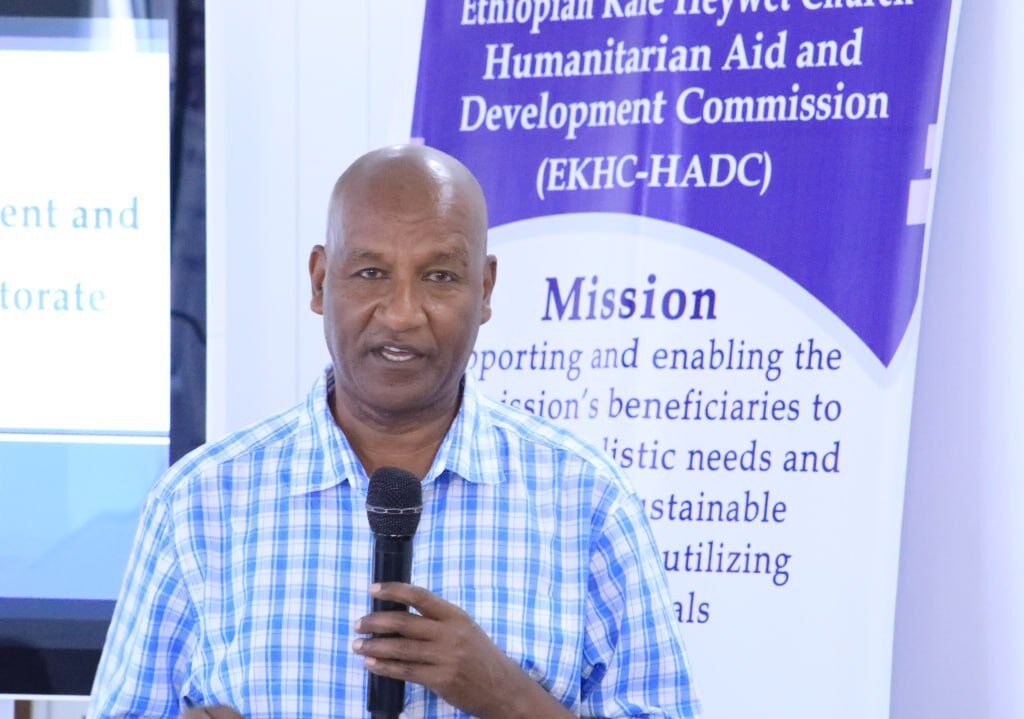
Aberham Alembo, Emergency and Disaster Response Program Manager, reinforced the significance of collaborative approaches in today’s humanitarian landscape. “No single organization can meet all community needs alone,” he said. “But with well-coordinated, complementary partnerships, we can cover broader needs more effectively and efficiently.”





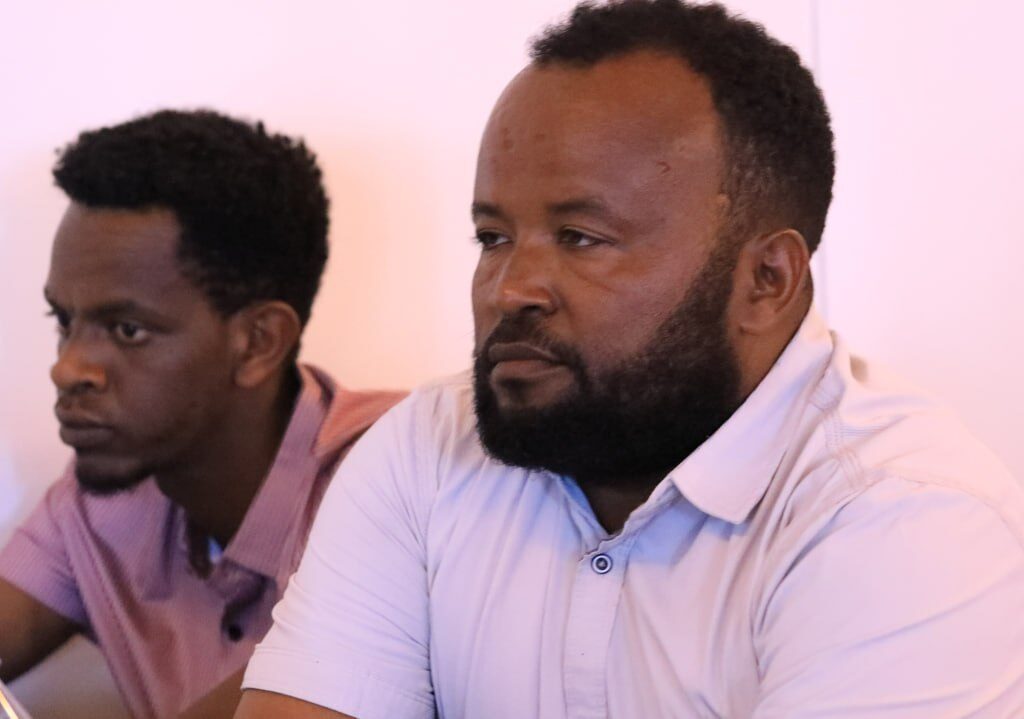
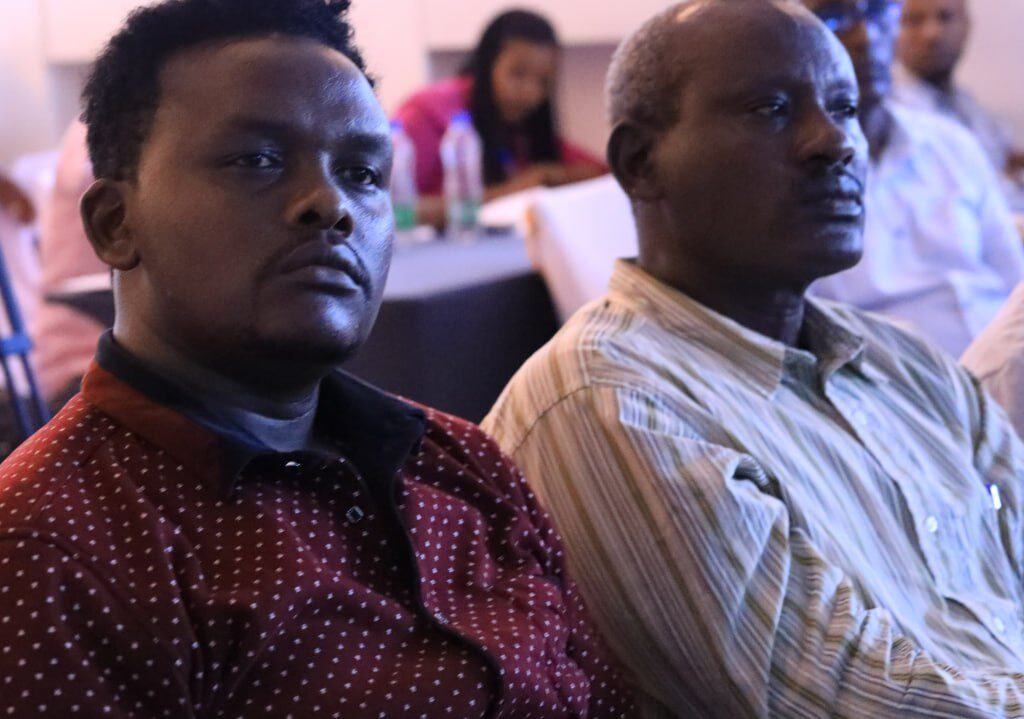
He also stressed the importance of accountability, coordination, and resource optimization to avoid duplication and ensure sustainability. “A well-aligned approach prevents waste and enhances outcomes,” he noted, applauding EKHC-HADC’s growing impact across its humanitarian and development programs.
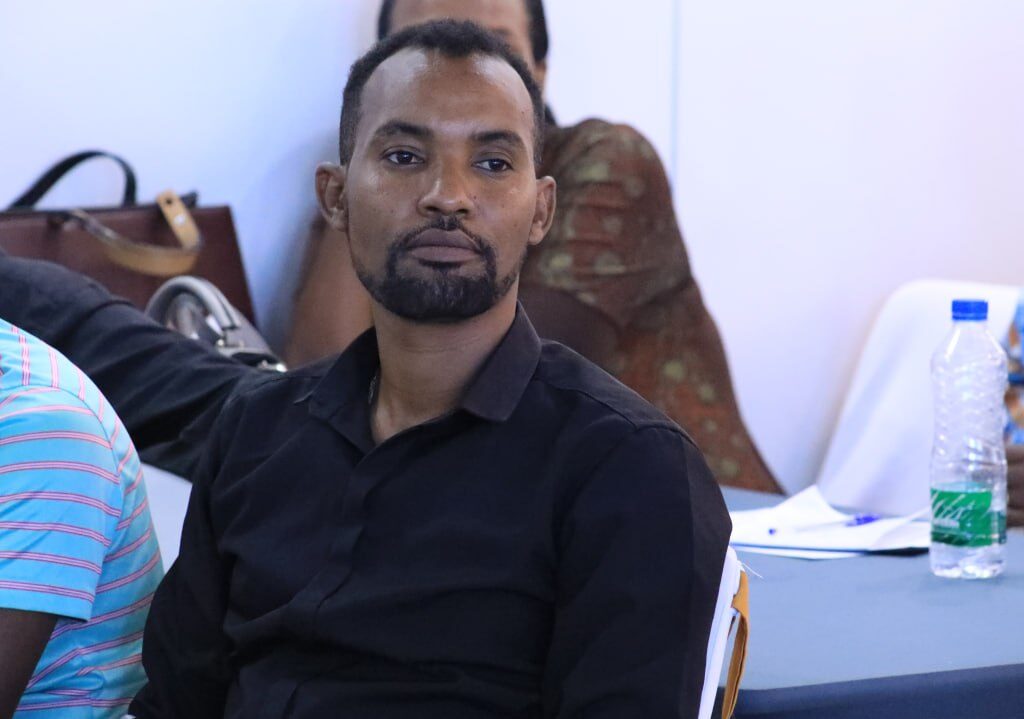
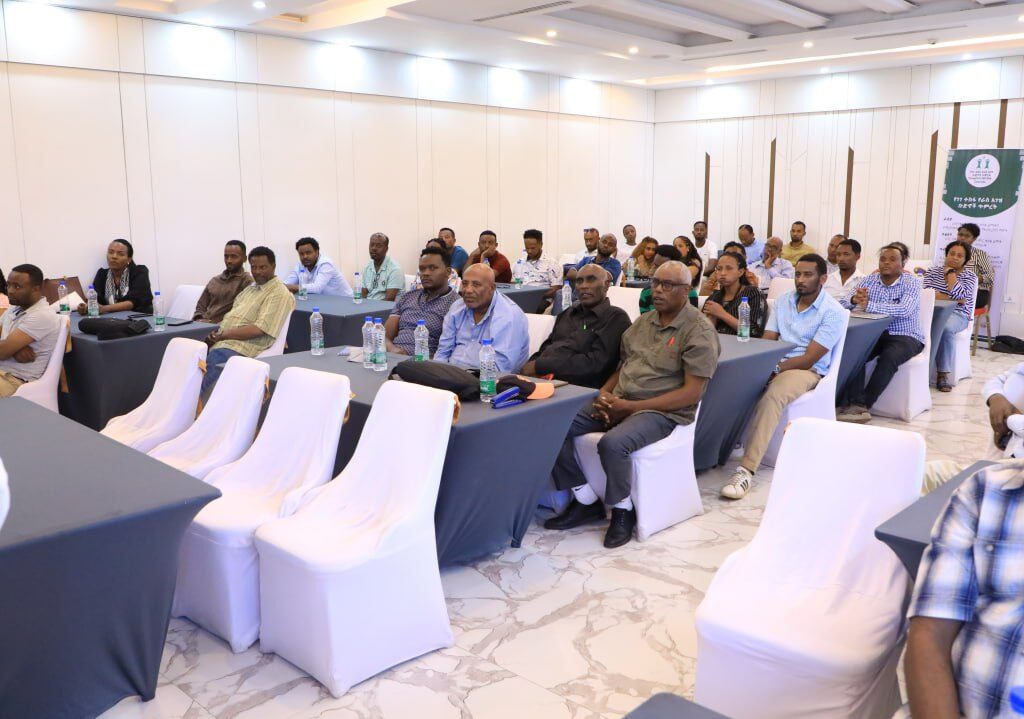

The SHG model continues to demonstrate strong potential in fostering sustainable development and community resilience. Similar to SHGs in Adama, other regions are being encouraged to expand and replicate these successes to serve their communities more independently.
The meeting also addressed the importance of effective resource mobilization. EKHC-HADC reported mobilizing nearly 7 million birr, approaching its annual target despite facing several challenges. Going forward, building stronger mutual understanding and trust among partners, churches, and stakeholders will be central to enhancing stewardship and achieving long-term fundraising goals.
Participants concluded that ongoing monitoring and evaluation are essential to ensure transparency, accountability, and trust in all program partnerships. The review meeting reaffirmed EKHC-HADC’s commitment to continuous improvement, sustainable development, and transformative community impact.
Add a Comment