
East Bale Zone, Oromia – In a significant step toward addressing the region’s water crisis, the Ethiopian Kale Heywet Church Humanitarian Aid and Development Commission (EKHC-HADC) has successfully drilled and opened six potable water boreholes, benefiting 10,500 residents in East Bale Zone. This achievement, despite geological and weather challenges, reflects the Commission’s unwavering commitment to community welfare.
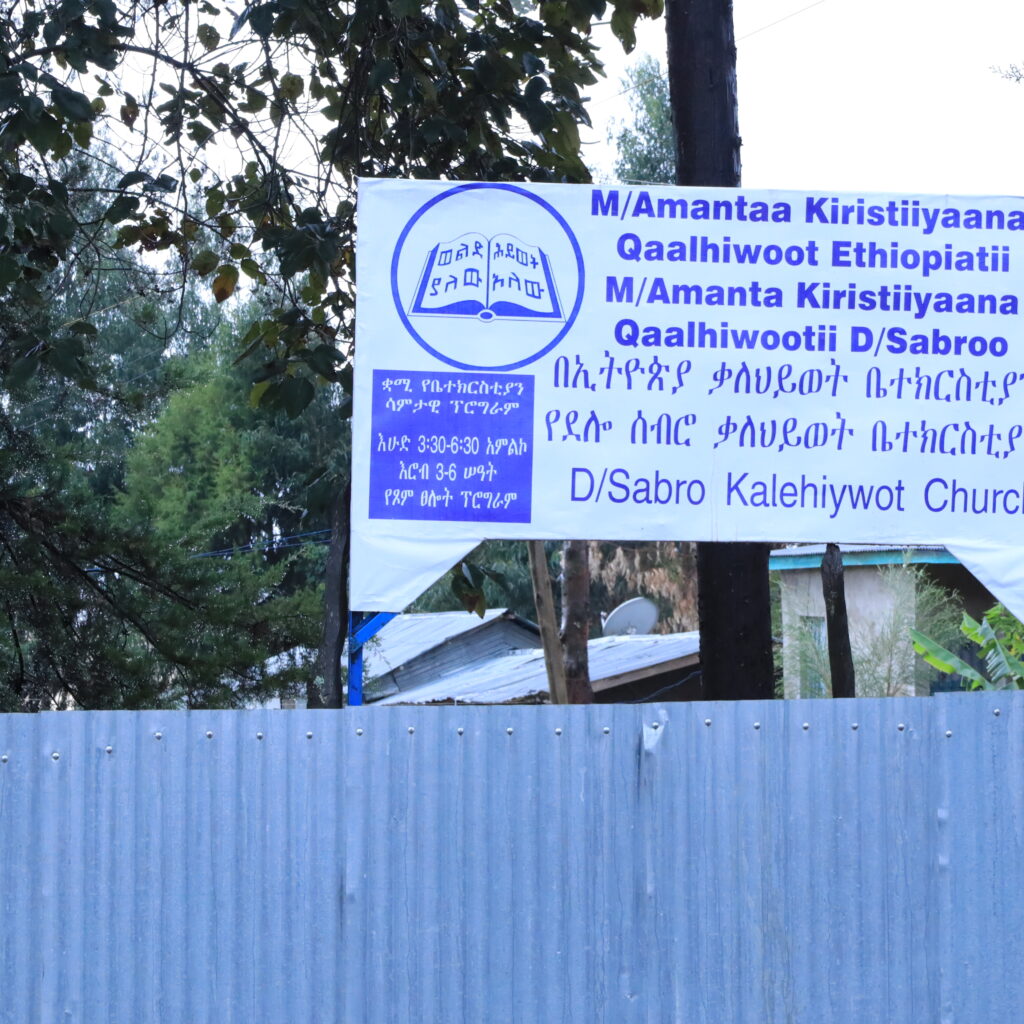
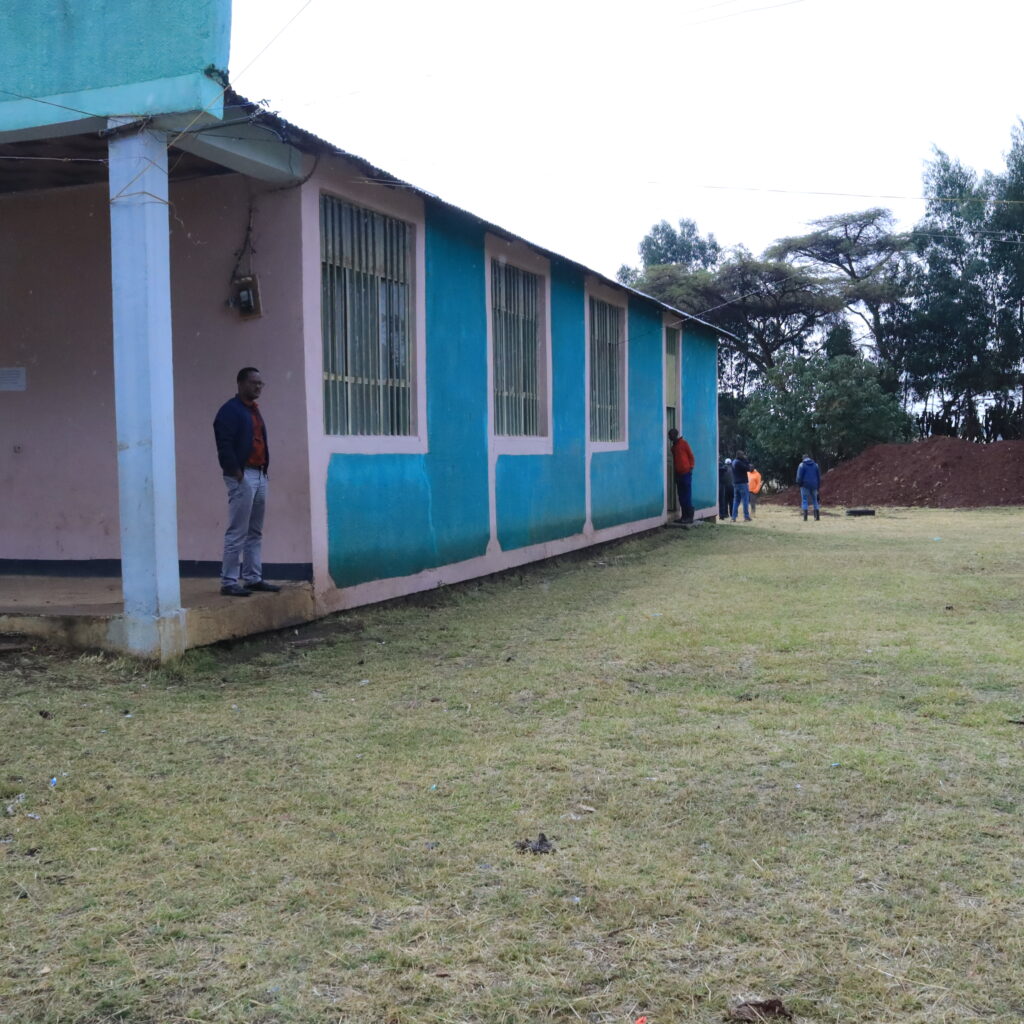
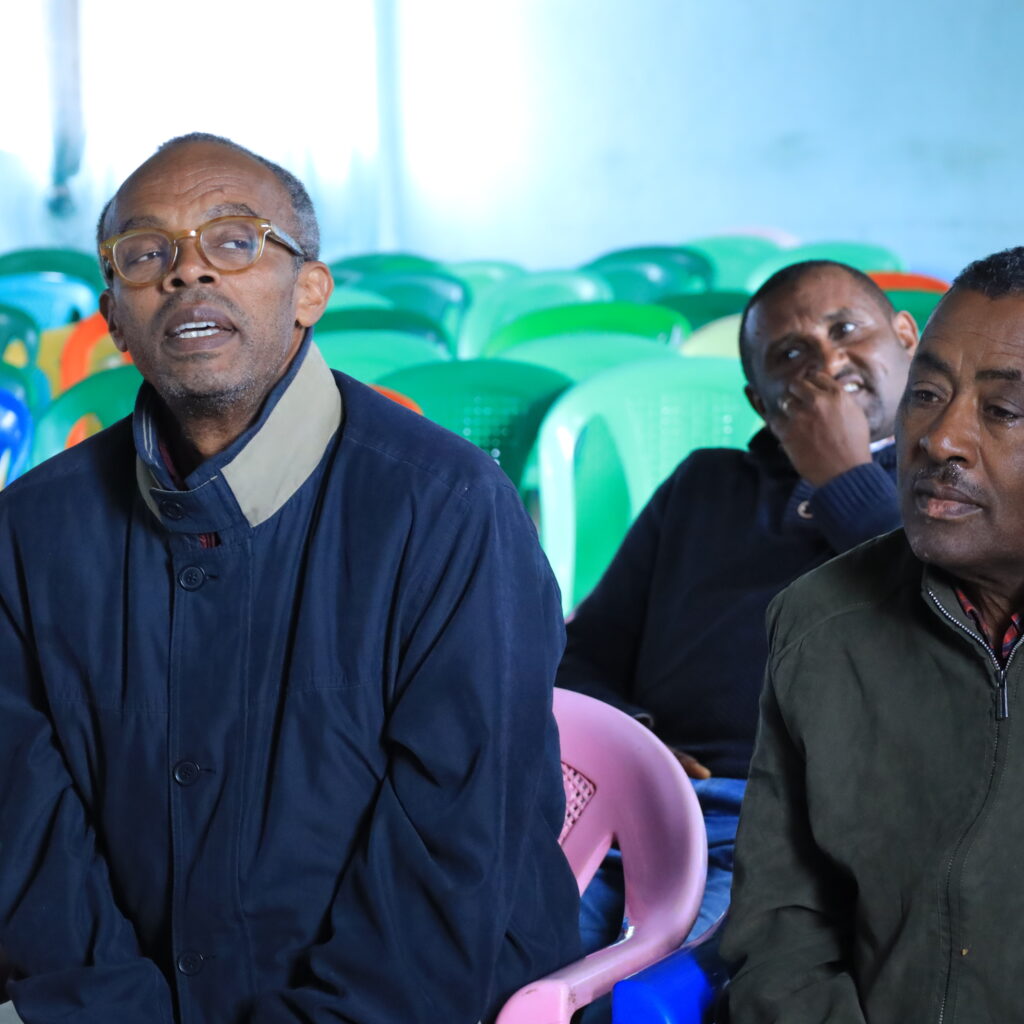
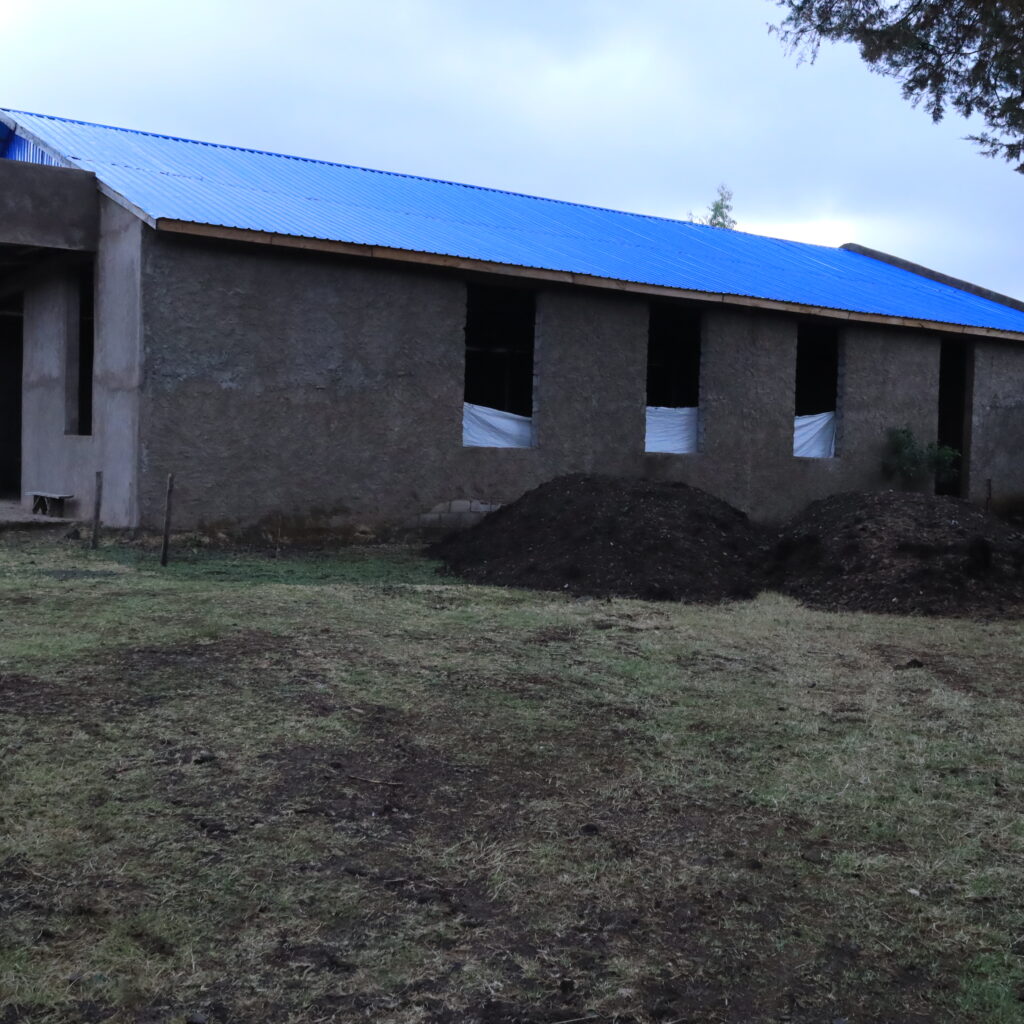
From March 18–23, 2025, a high-level delegation led by EKHC-HADC Commissioner, Tefera Telore(PhD, and Woyita Woza(PhD), Director of Social Services and Capacity Building program Directorate, conducted a field visit to assess the progress of ongoing water, education, and child development projects in the area. The visit also included consultations and prayers with local Kale Heywet Church leaders and the Eastern Bale Fellowships (Hibert).
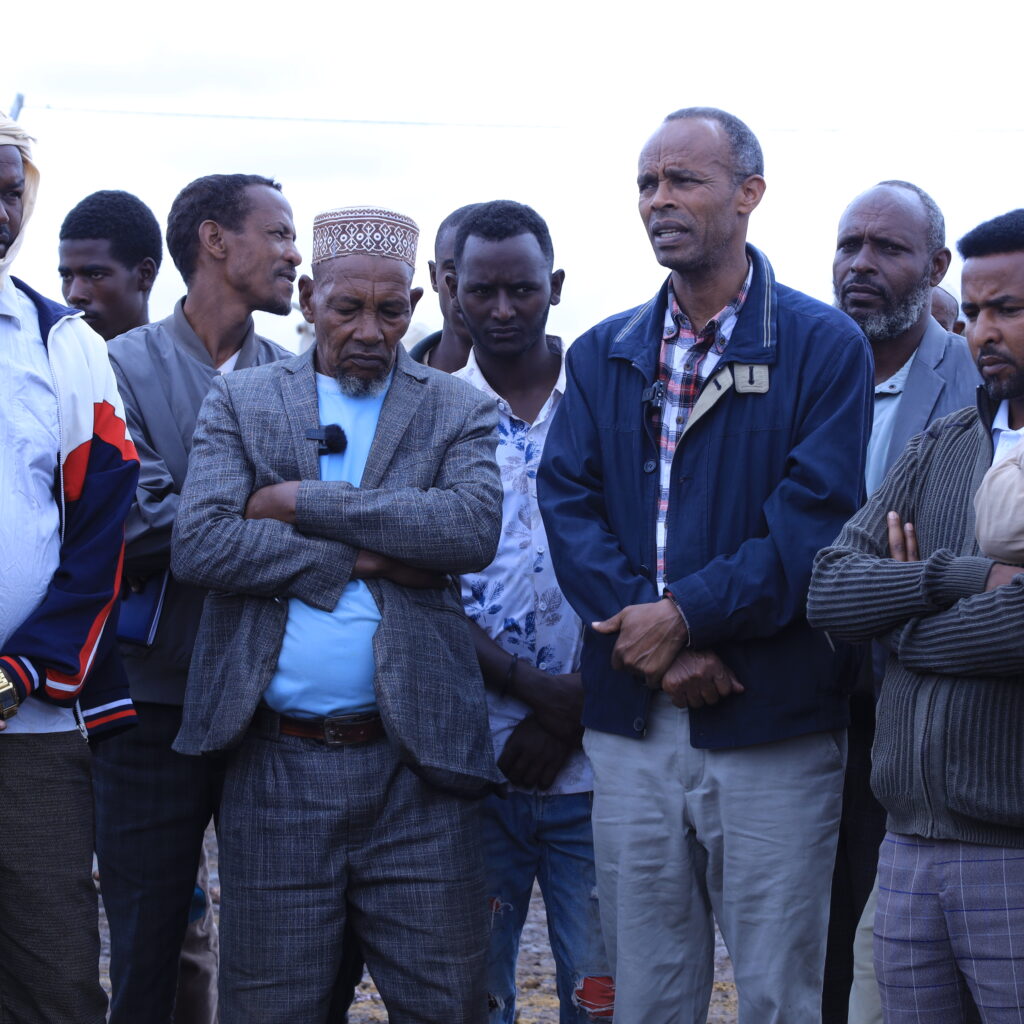
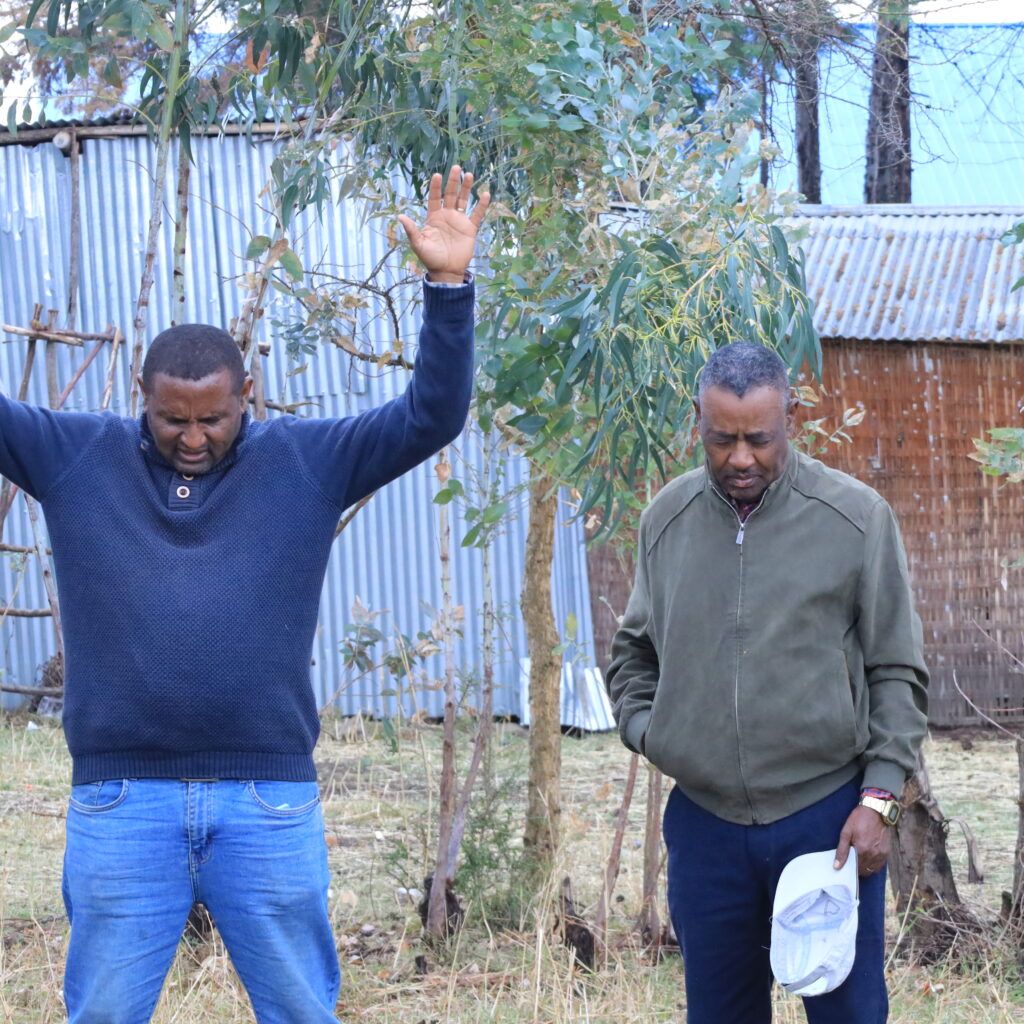
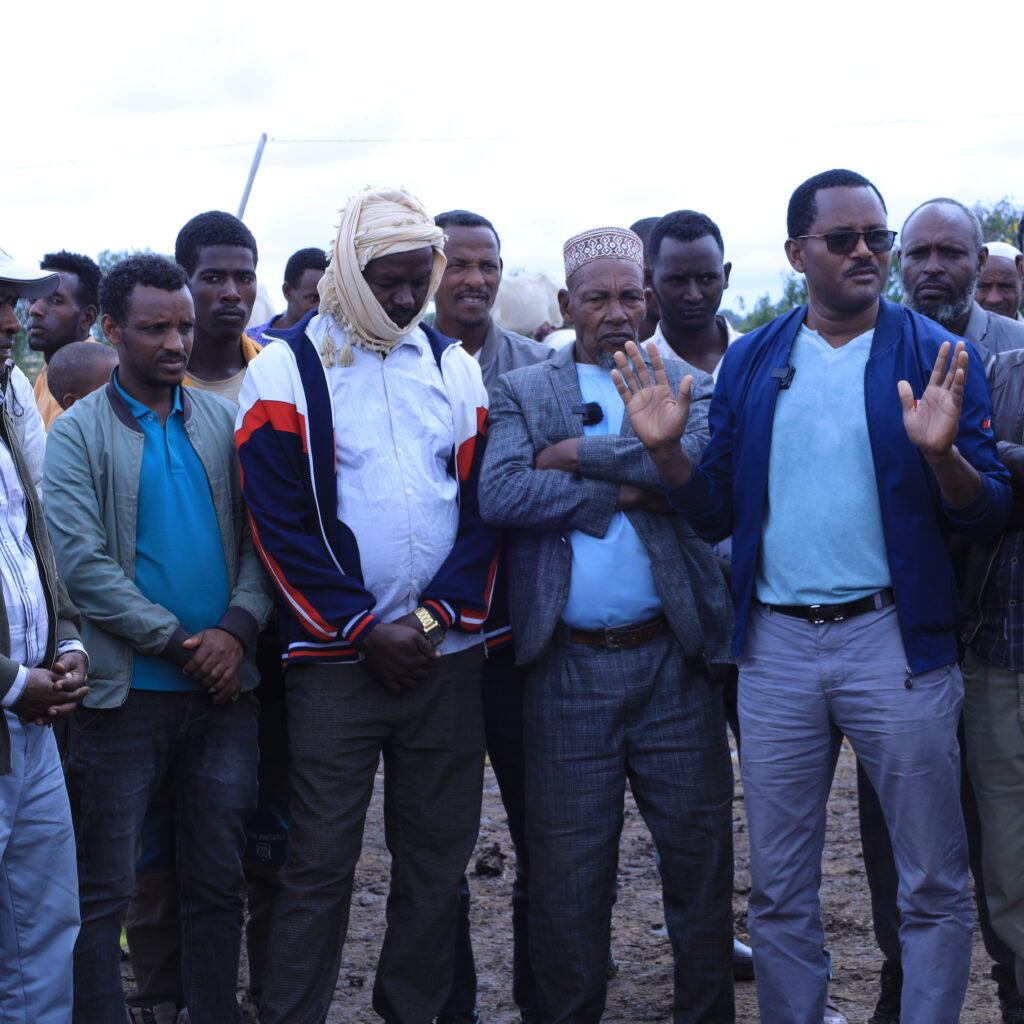
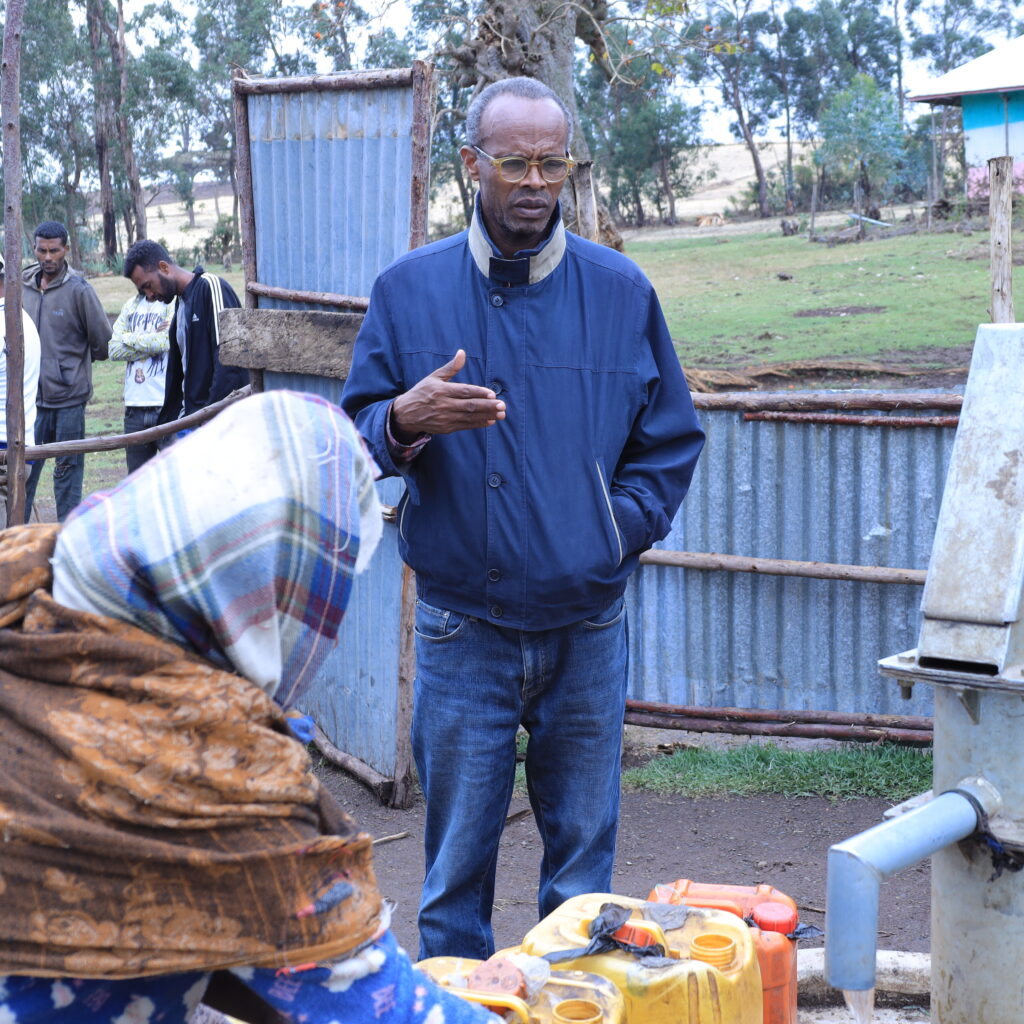
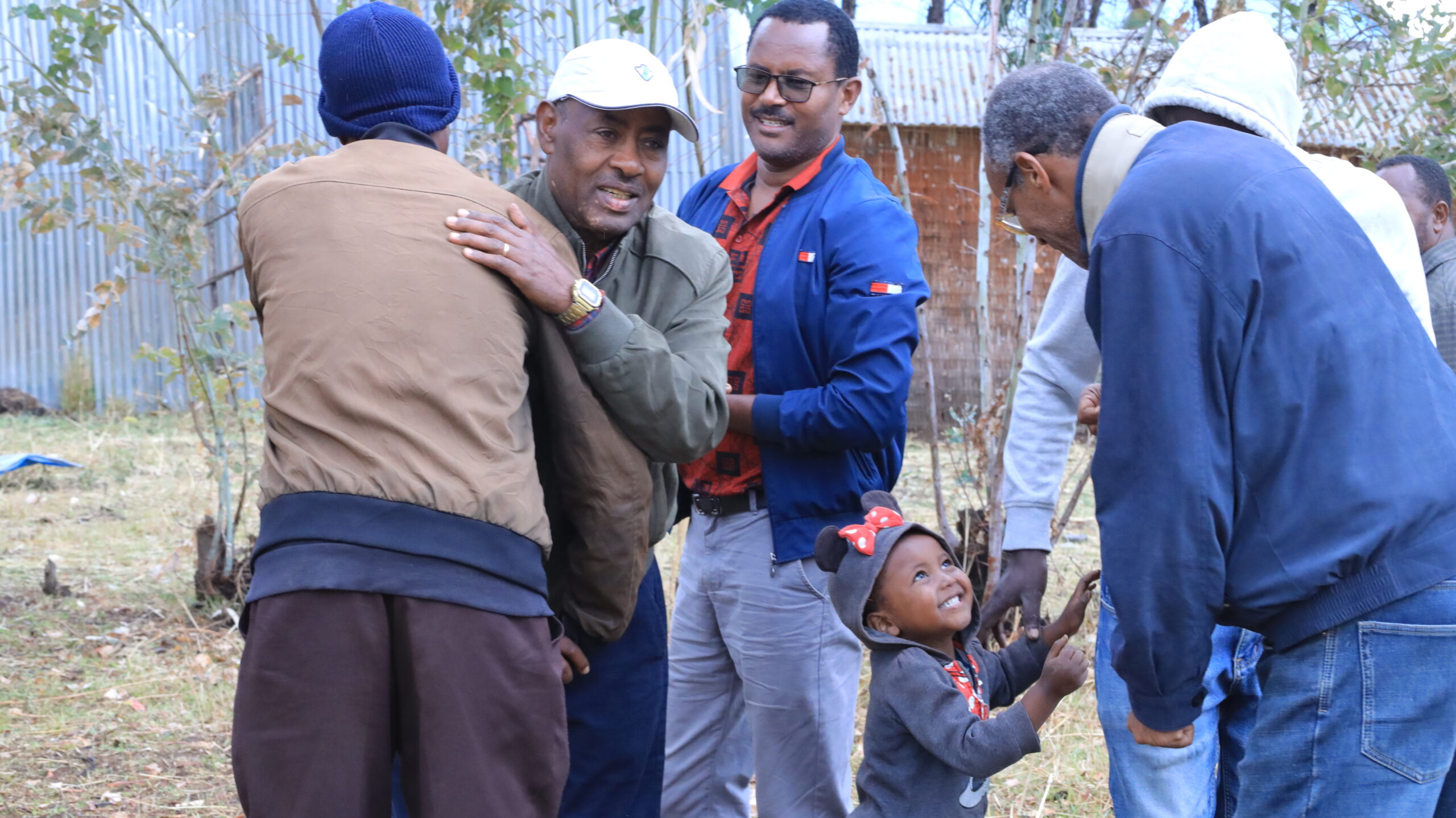
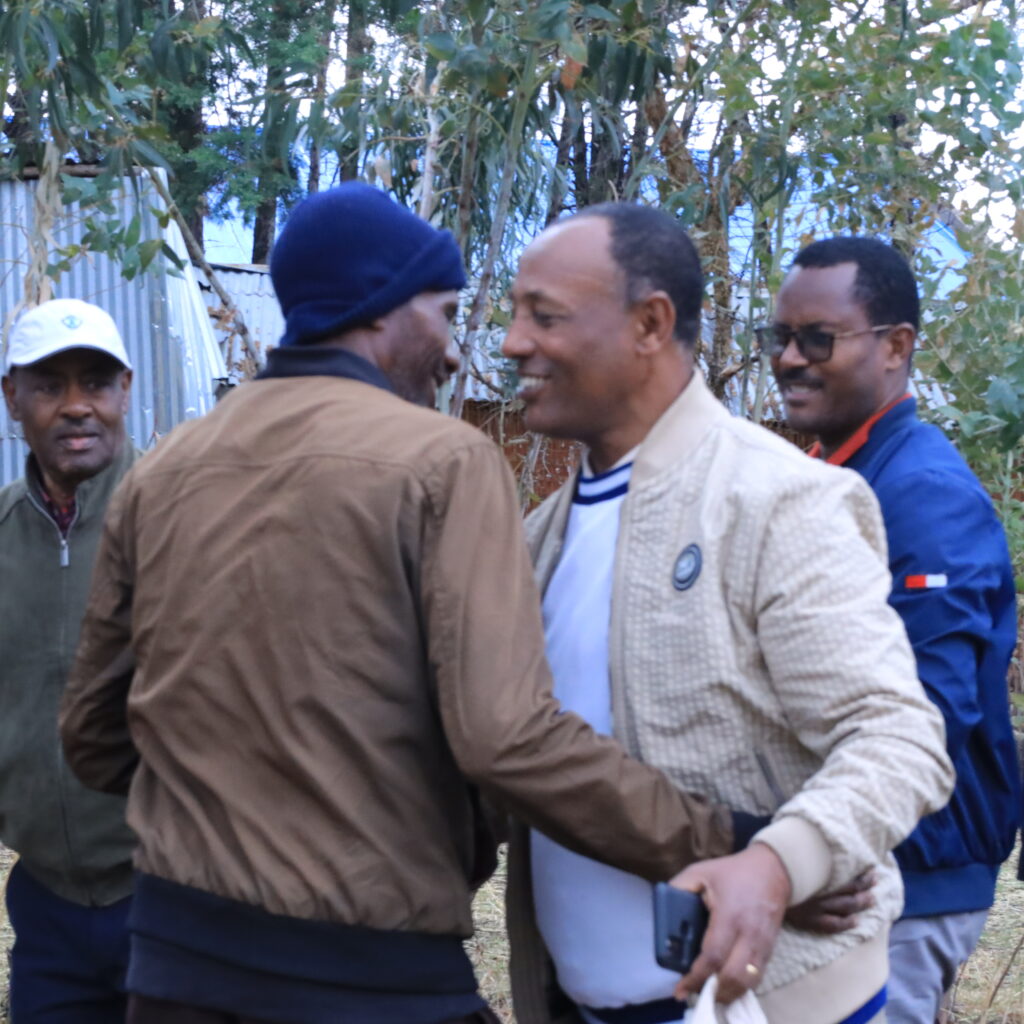
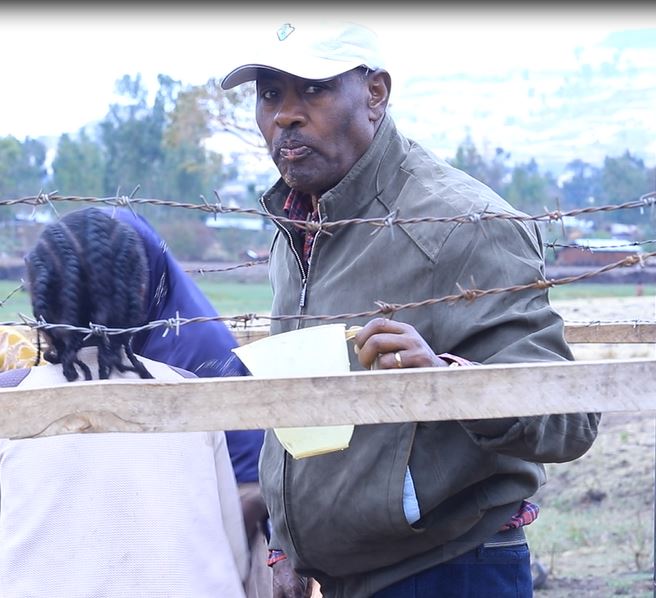
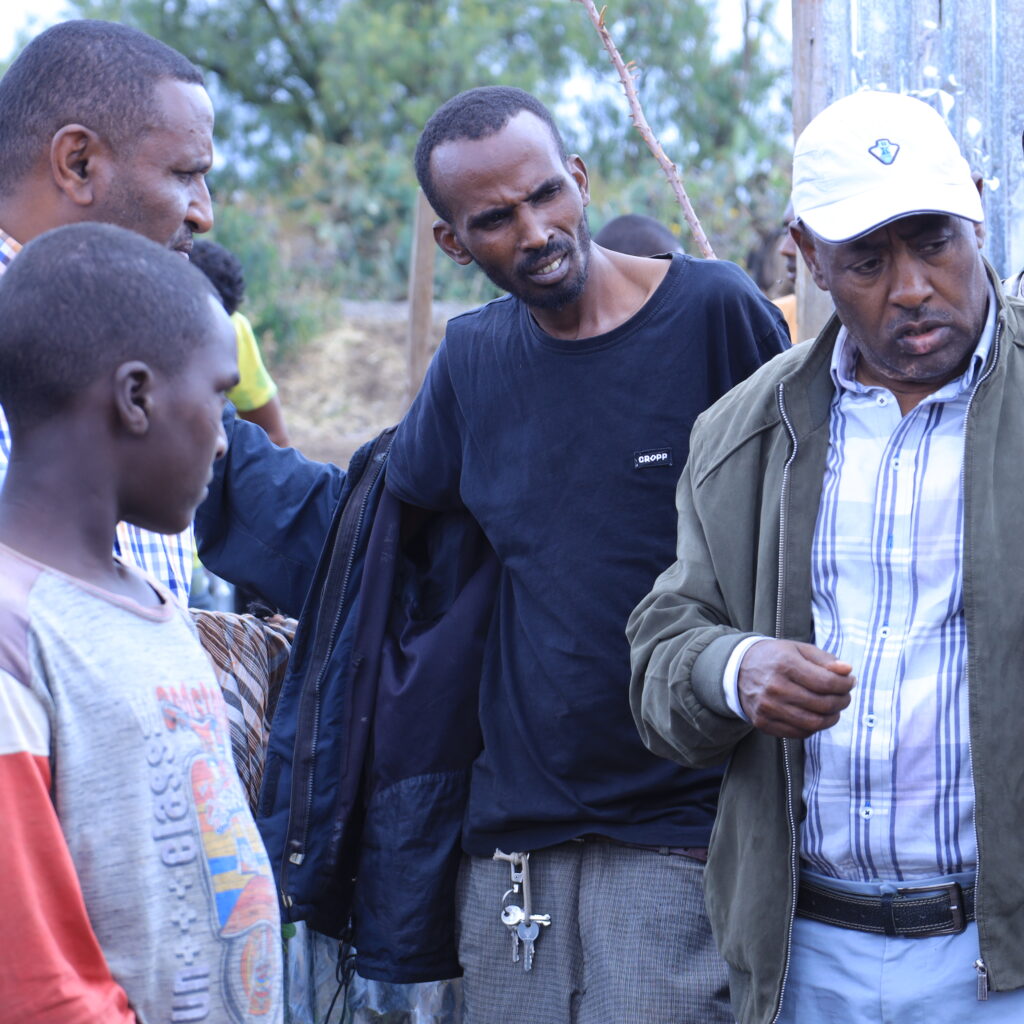
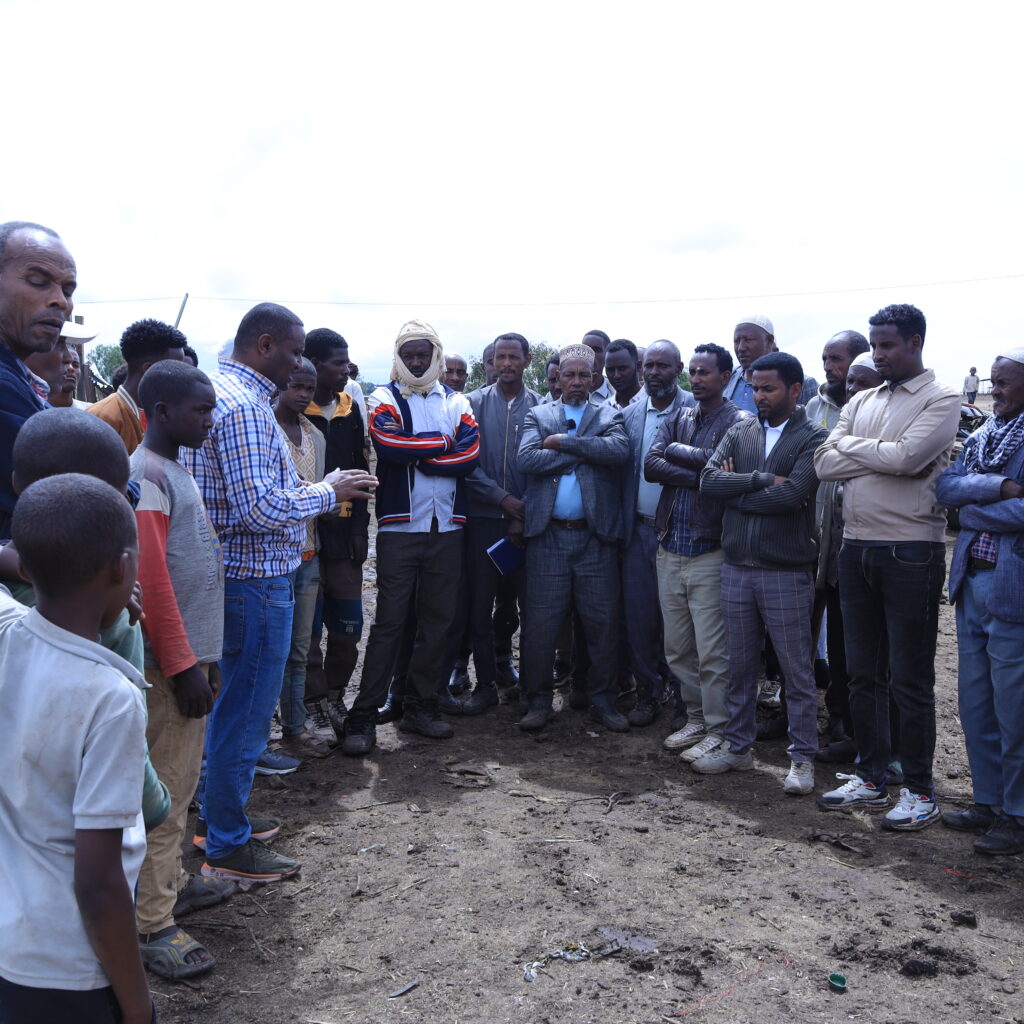
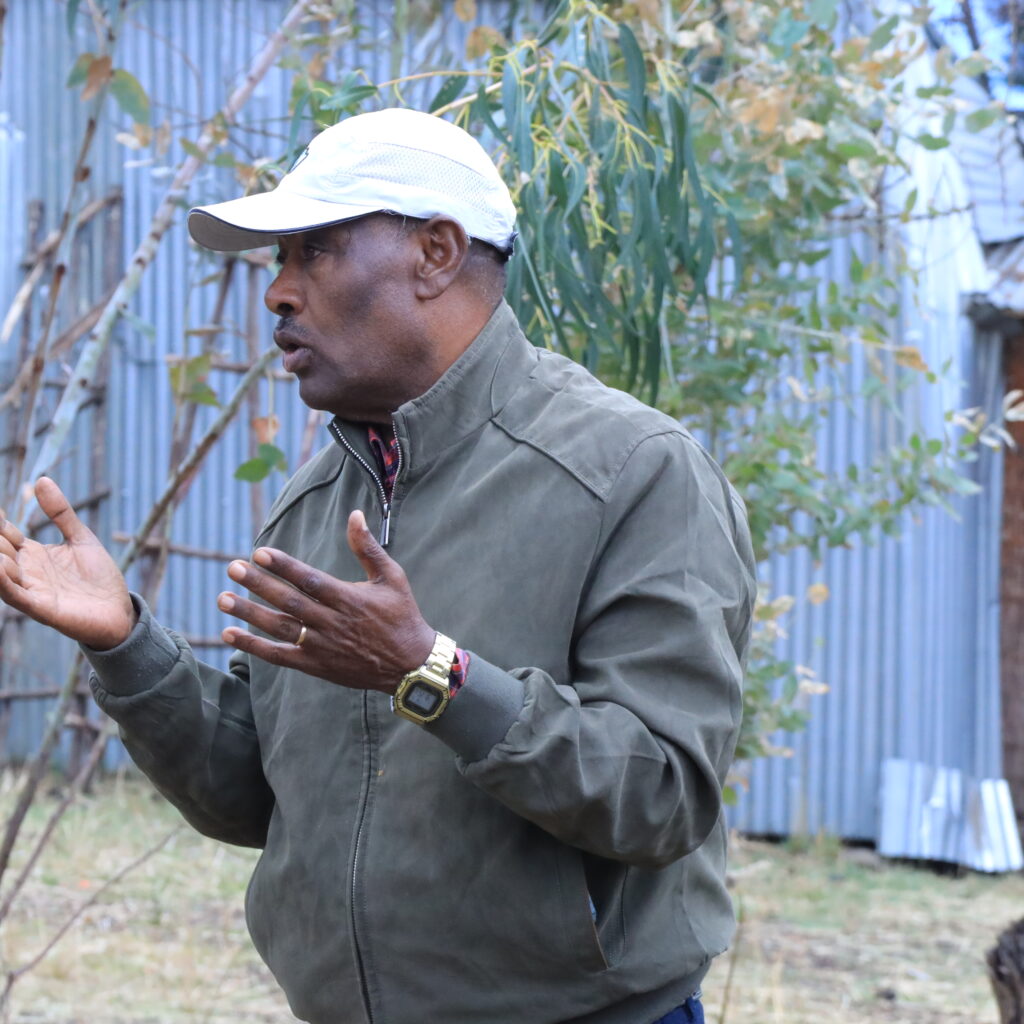
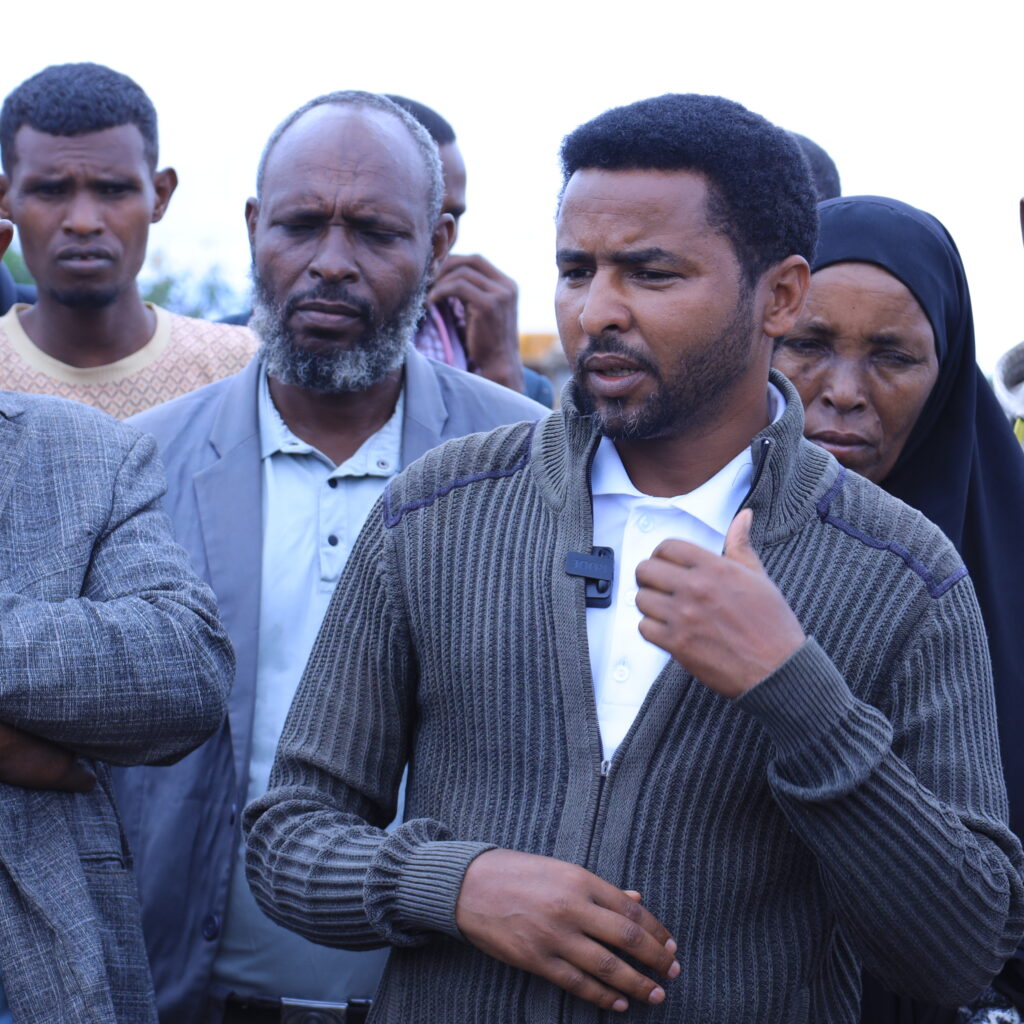
During the visit Tefera(PhD) emphasized the tremendous efforts and sacrifices made to ensure the completion of the water boreholes. “We drilled 12 boreholes, but due to various challenges, only six were successfully completed and handed over for community use,” he explained. “Many organizations might have given up after a few unsuccessful attempts, but we remained committed because we understood the urgent need for clean water in this area.”
Woyita Woza(PhD) echoed this sentiment, urging local authorities and water committees to expand the project by integrating solar power into the existing shallow wells to make water more accessible to a larger population. “This is a growing city, and by working together, we can address many of its pressing issues, starting with water,” he said.
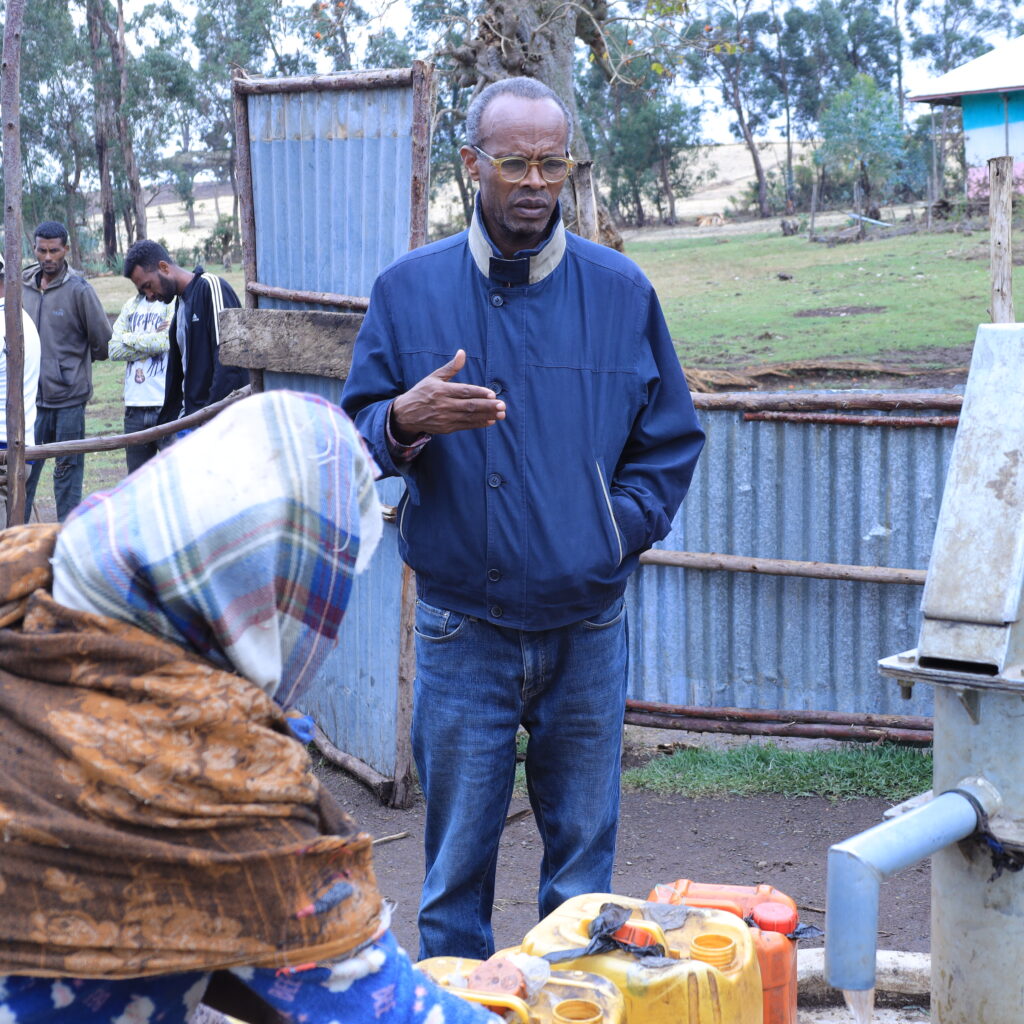
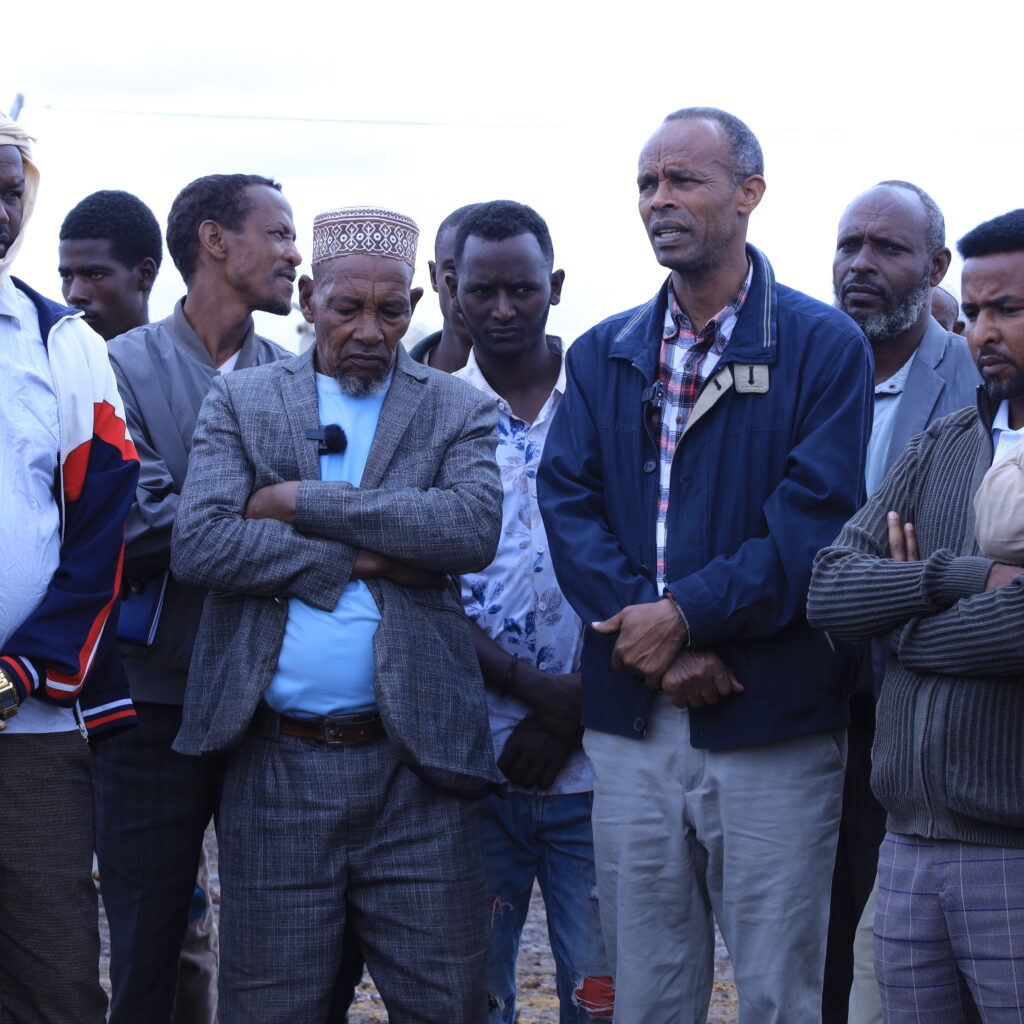
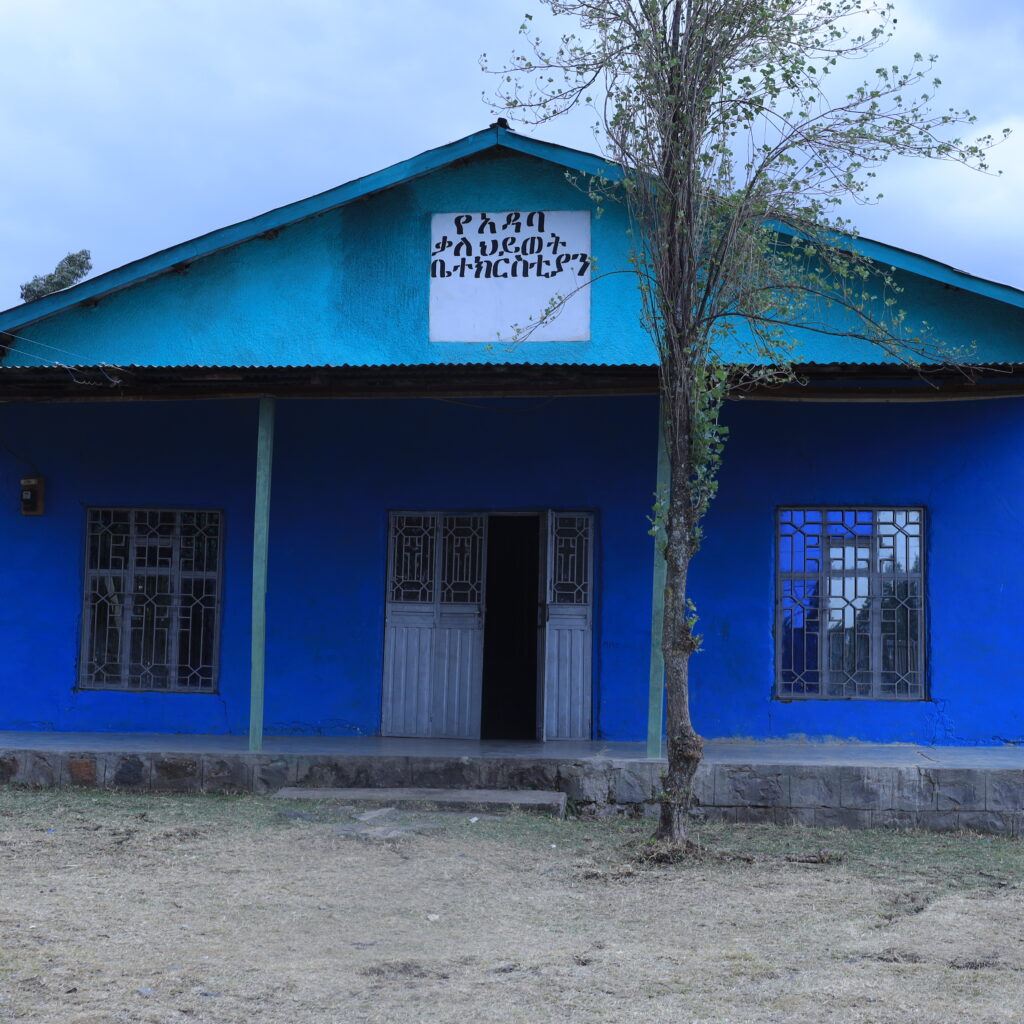
Addressing water scarcity is a lifeline for thousands
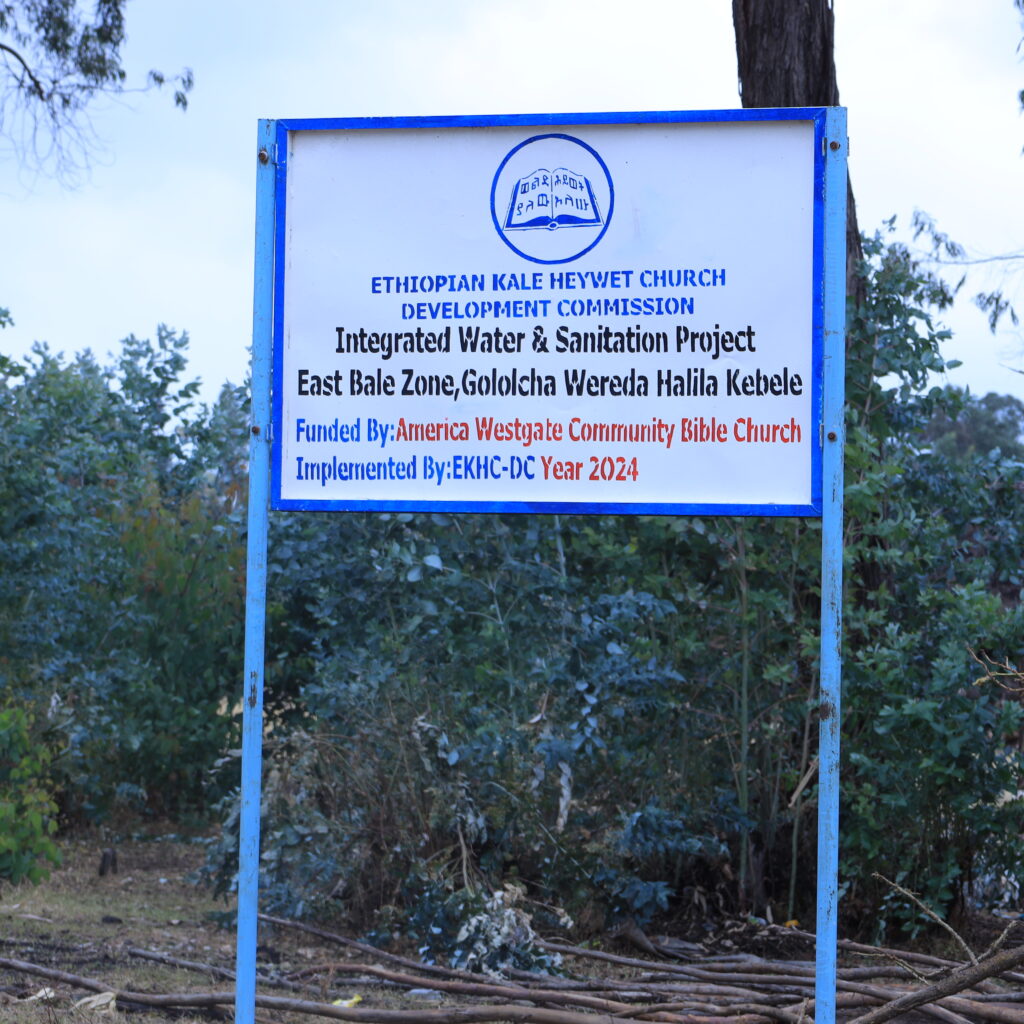
The Integrated Water and Sanitation Program Manager at EKHC-HADC, Chernet Berhanu, highlighted that the six boreholes were drilled across six kebeles in Ginir Woreda: Halila-1, Halila-2, Dobe, Elbuco/Harawa-8, Elbuco/Hawa-2, and Elbuco Harawa. The project, launched in October 2023 and completed by September 2024, was funded by America Westgate Community Bible Church with a total budget of 6.5 million birr.
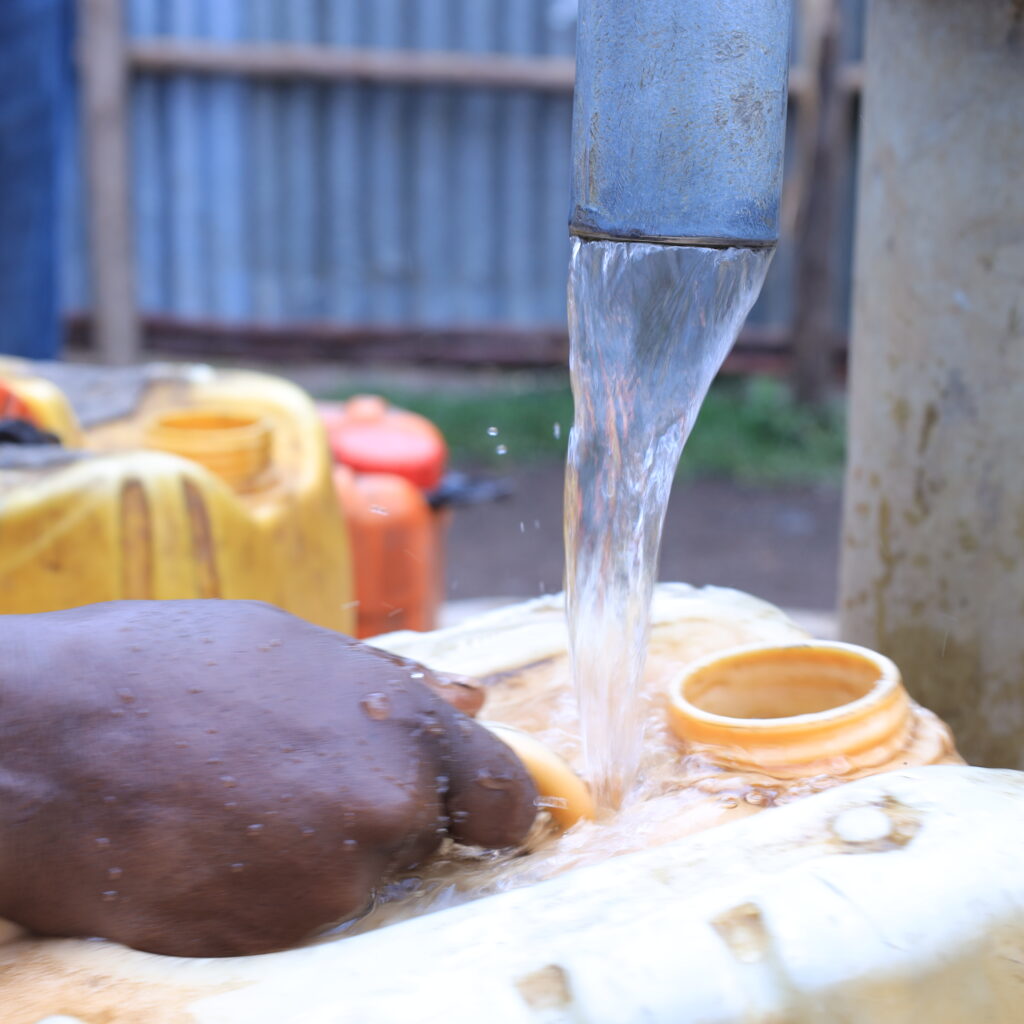
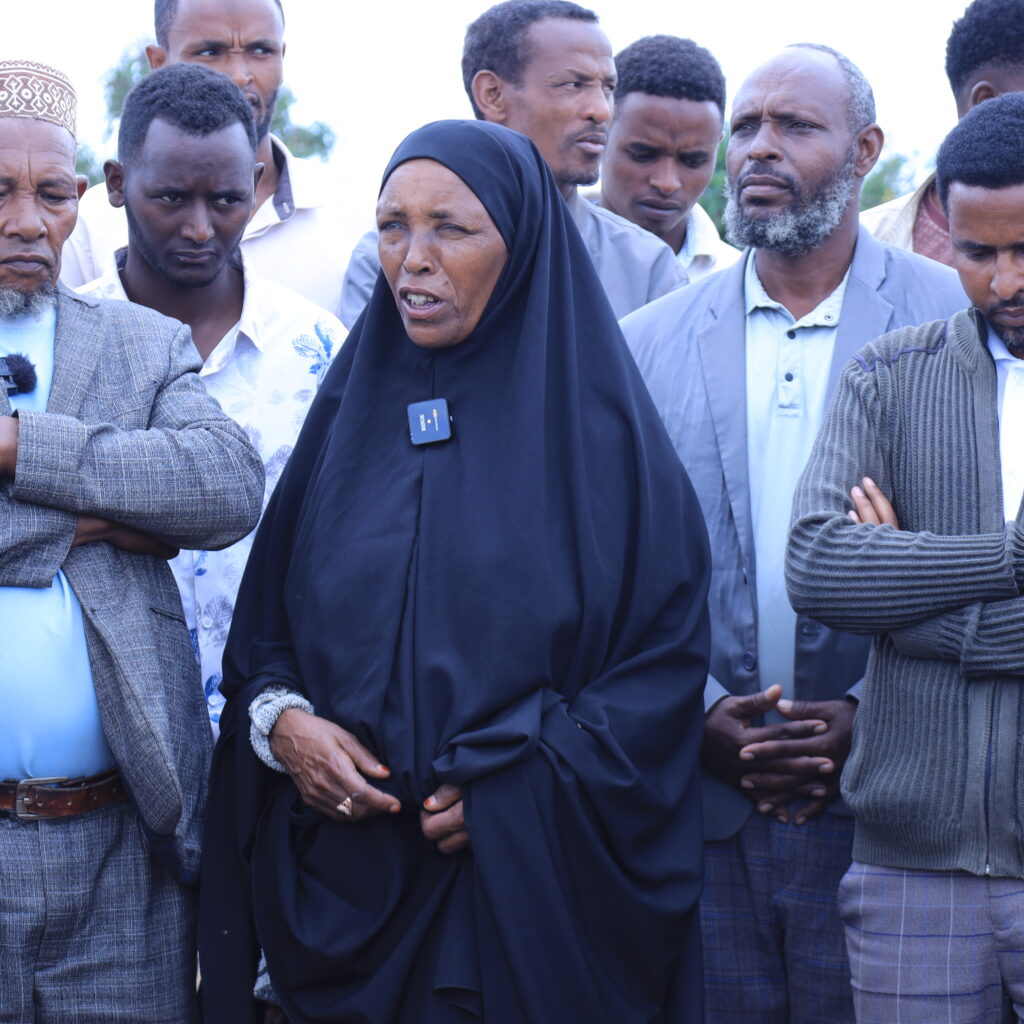
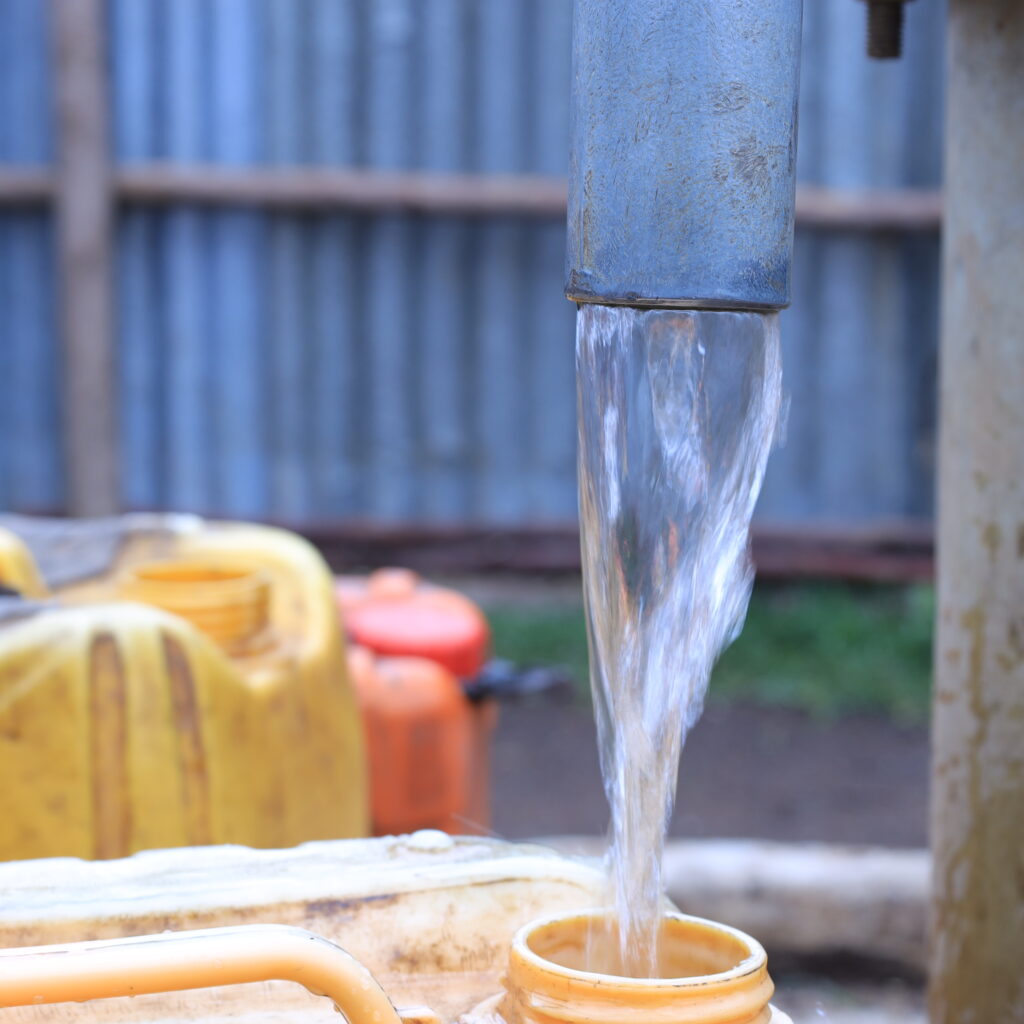
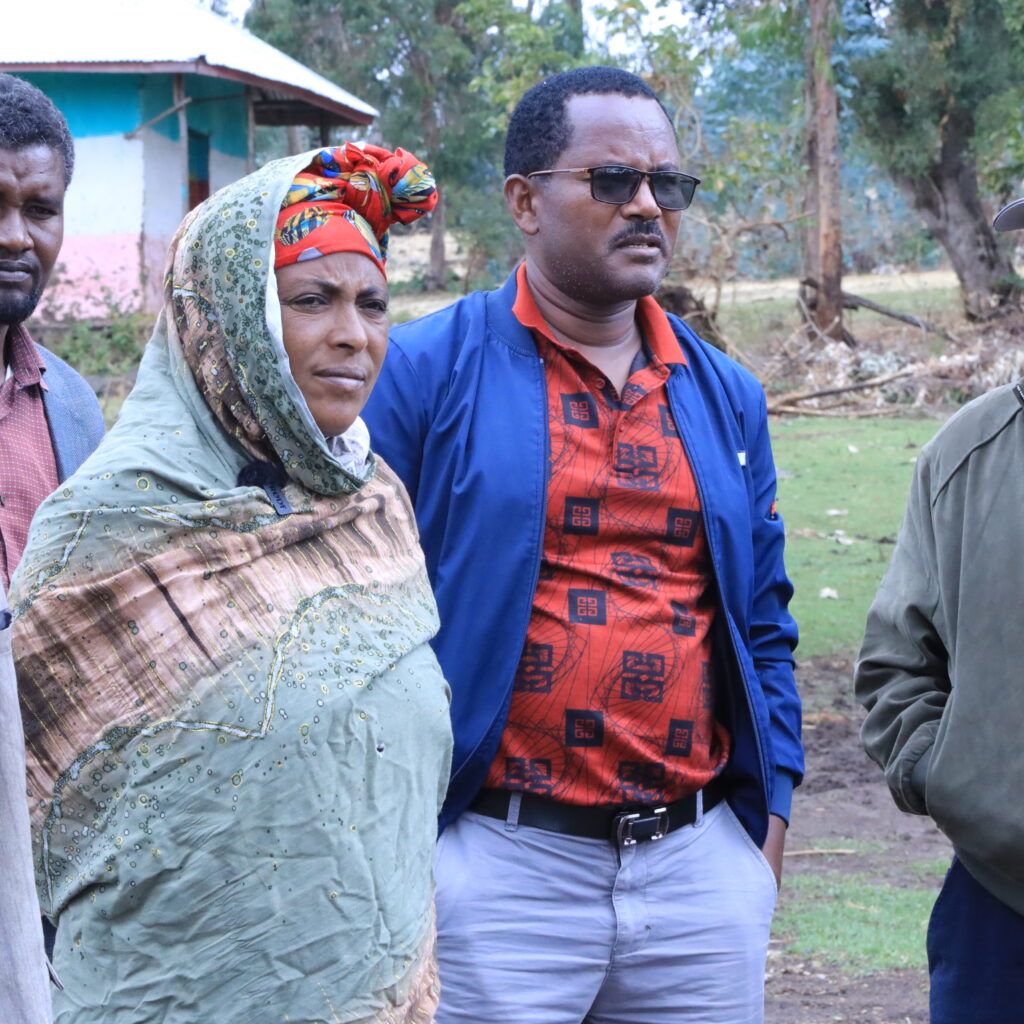
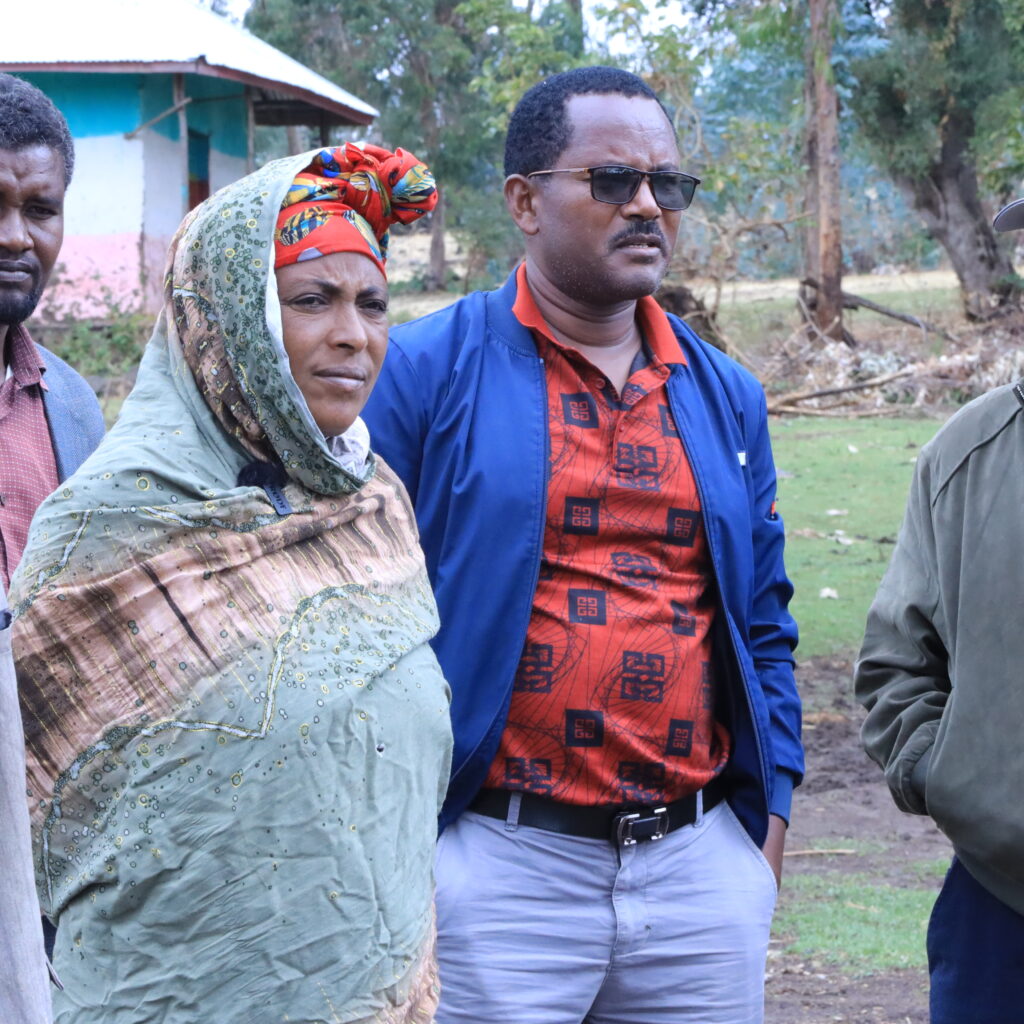
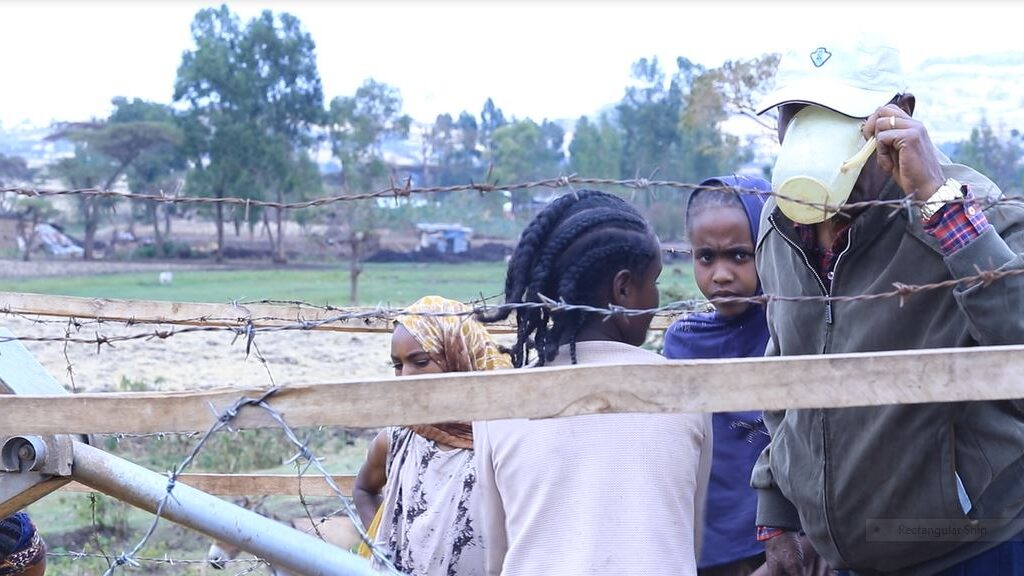
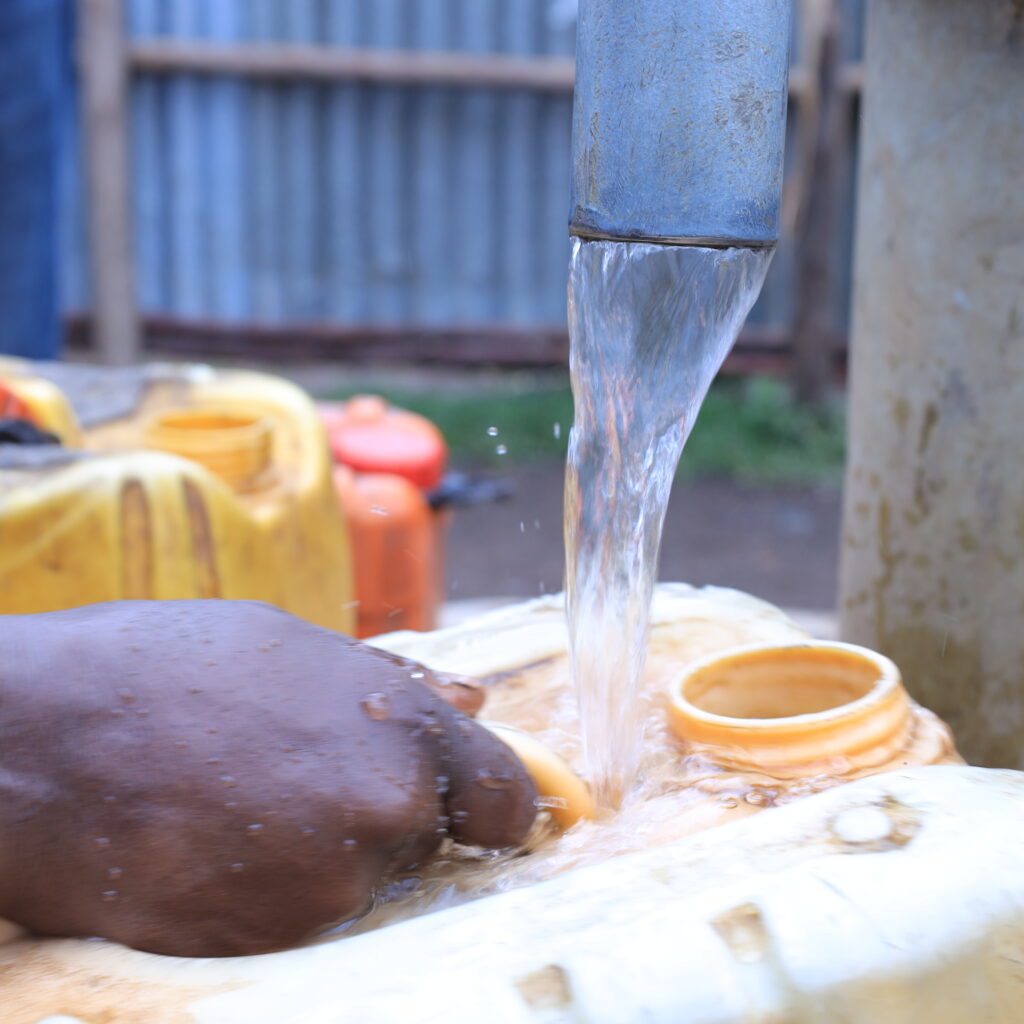
This initiative has dramatically improved daily life in the community. Previously, residents—particularly women and children—had to walk 4 to 10 kilometers daily in search of drinkable water. Now, 6,000 direct beneficiaries and a total of 10,500 community members have easy access to clean water. This has led to: Reduced waterborne diseases and deaths, decreased school dropout rates among children, lowered risk of gender-based violence, including rape and abduction, less physical strain on women and girls who previously fetched water from distant sources, Cherent underscored
Despite these achievements, the water coverage in Ginir and Gololcha woredas remains at 38% and 42%, respectively, signaling the need for continued investment and intervention.
A Shared Responsibility: Government and Community Involvement
EKHC-HADC Board Member Gulilat Gizawu applauded the Commission’s commitment to serving all people in need—regardless of race, color, or religion—across Ethiopia.
Local officials from Ginir Woreda also expressed their gratitude, acknowledging that although they had previously informed the federal government about the water crisis, solutions had not materialized until EKHC-HADC intervened.
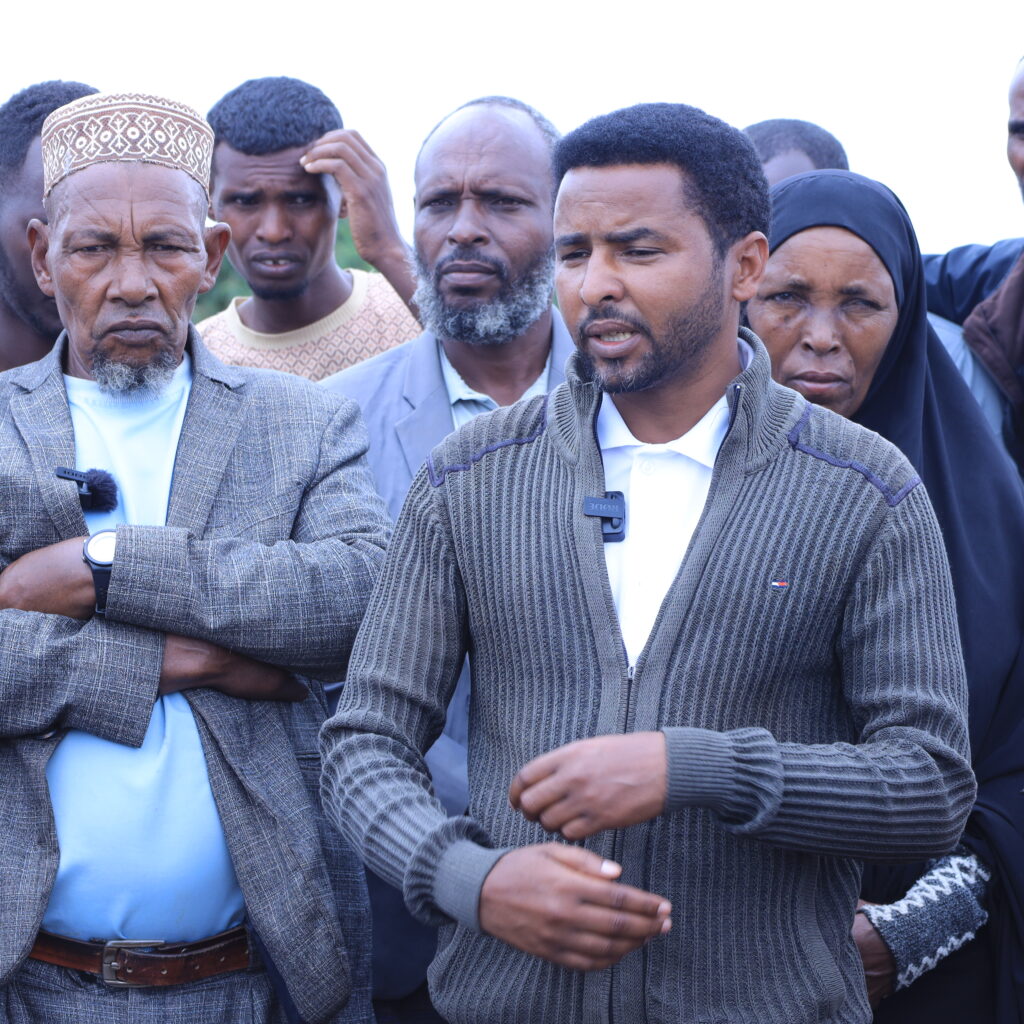
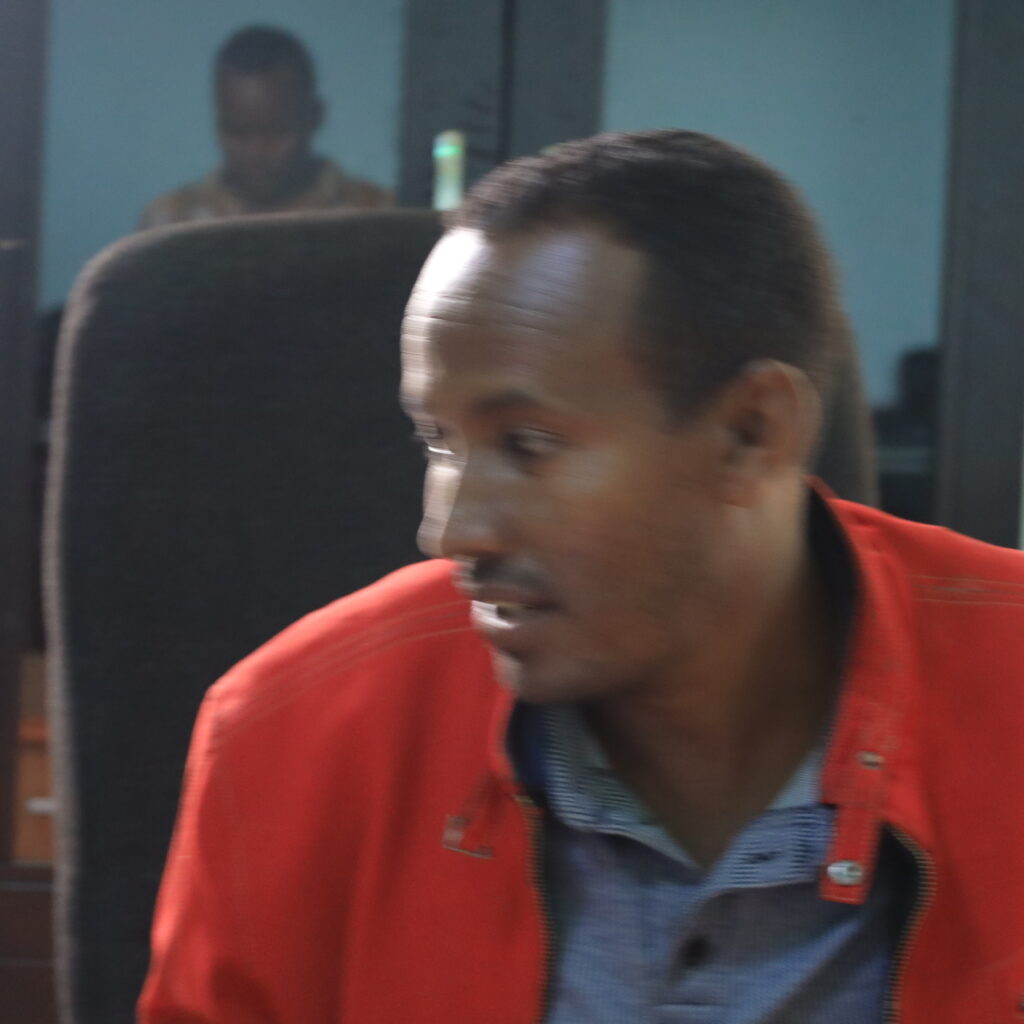
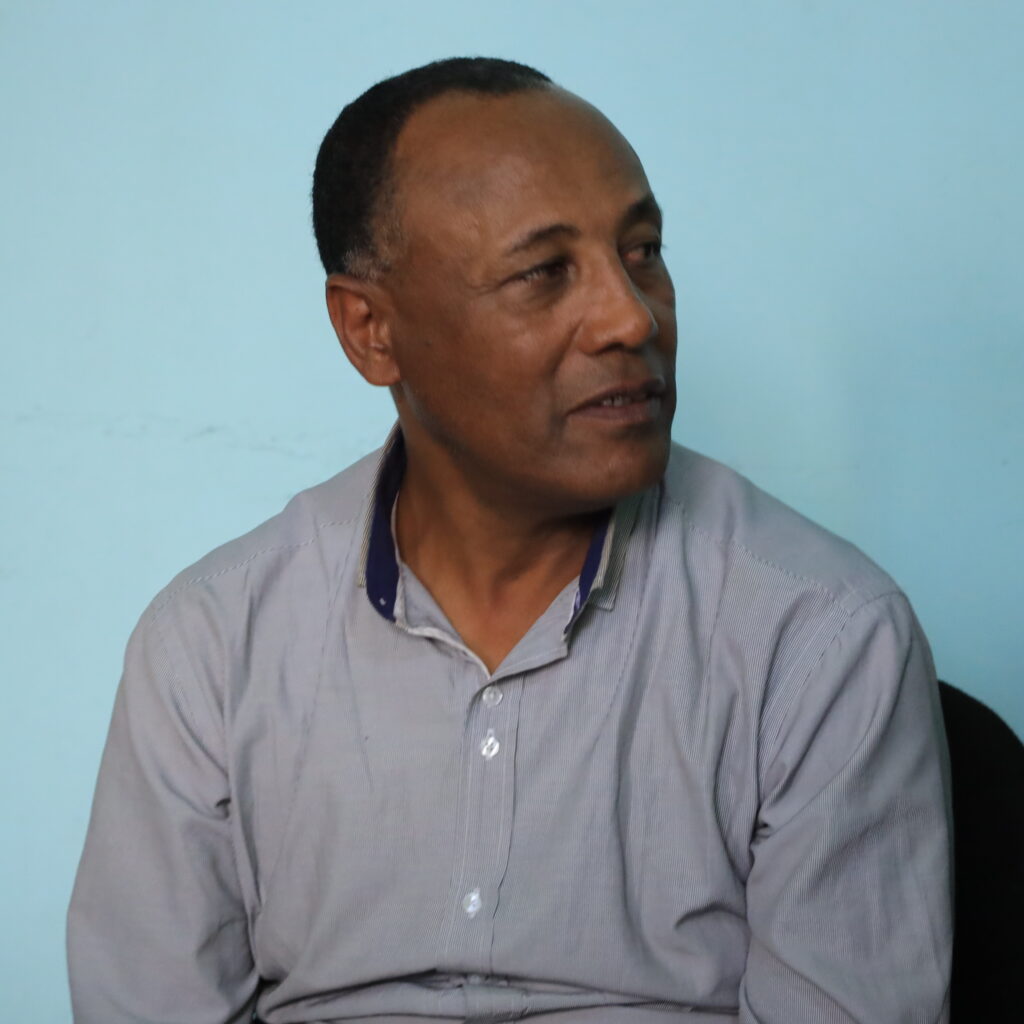
“We thank you on behalf of our people for solving a problem that we, as a government, could not reach. This water project has transformed lives, especially for our daughters, women, and young girls who were previously vulnerable to violence while traveling long distances for water,” said a Ginir Woreda official.
The officials emphasized that more intervention is still needed to address the region’s multidimensional challenges and ensure sustainable solutions for water access, health, and community development.
A Call for Further Action
While this project has brought relief to thousands, EKHC-HADC urges local authorities, development partners, and the government to join hands in expanding water coverage, improving sanitation, and tackling broader societal issues.
The Commission remains committed to enhancing the quality of life in East Bale Zone and beyond, ensuring that no community is left behind in the pursuit of safe drinking water and sustainable development with its ongoing projects at various parts of the country in addition to this area.
Add a Comment