
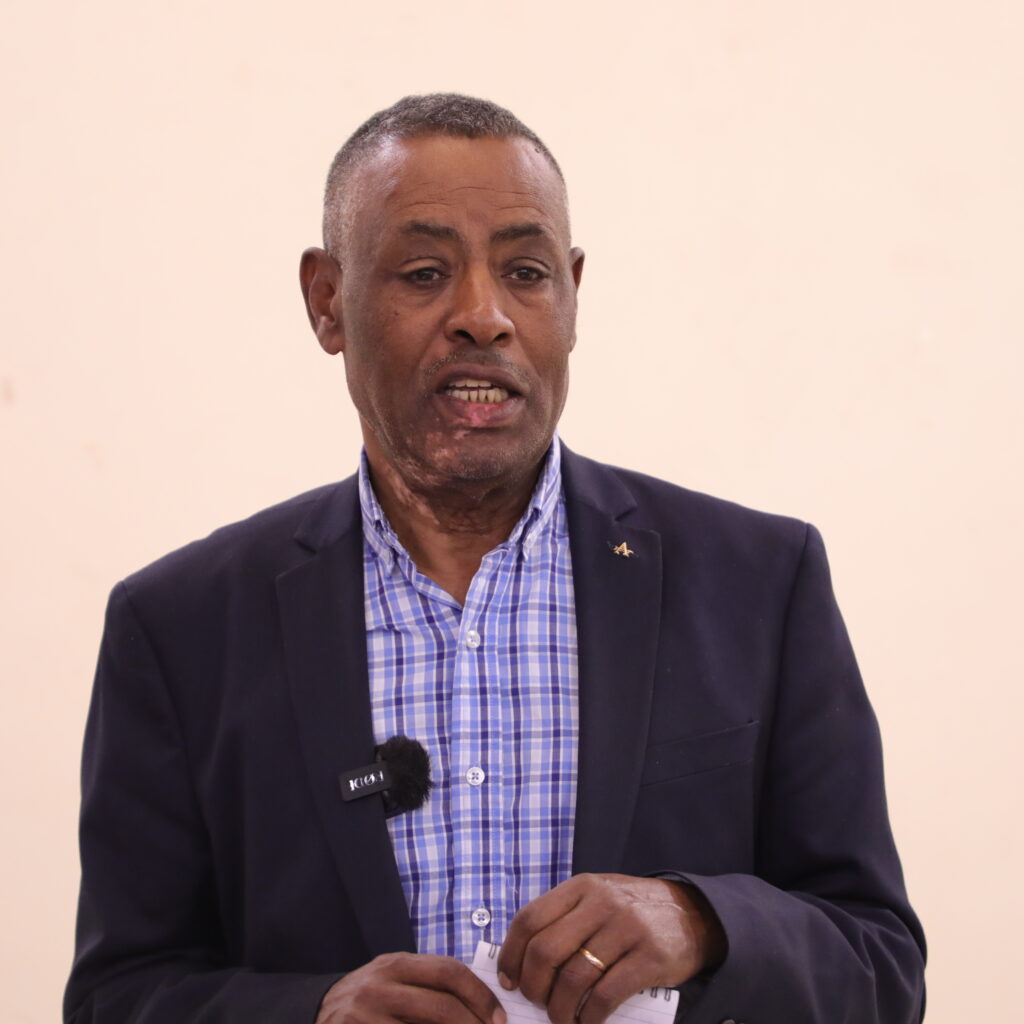
The Ethiopian Kale Hiwot Church Humanitarian Aid and Development Commission (EKHCHADC) has successfully completed a one-year, USD 700,000 early agricultural recovery project across Alamata City and five surrounding woredas.
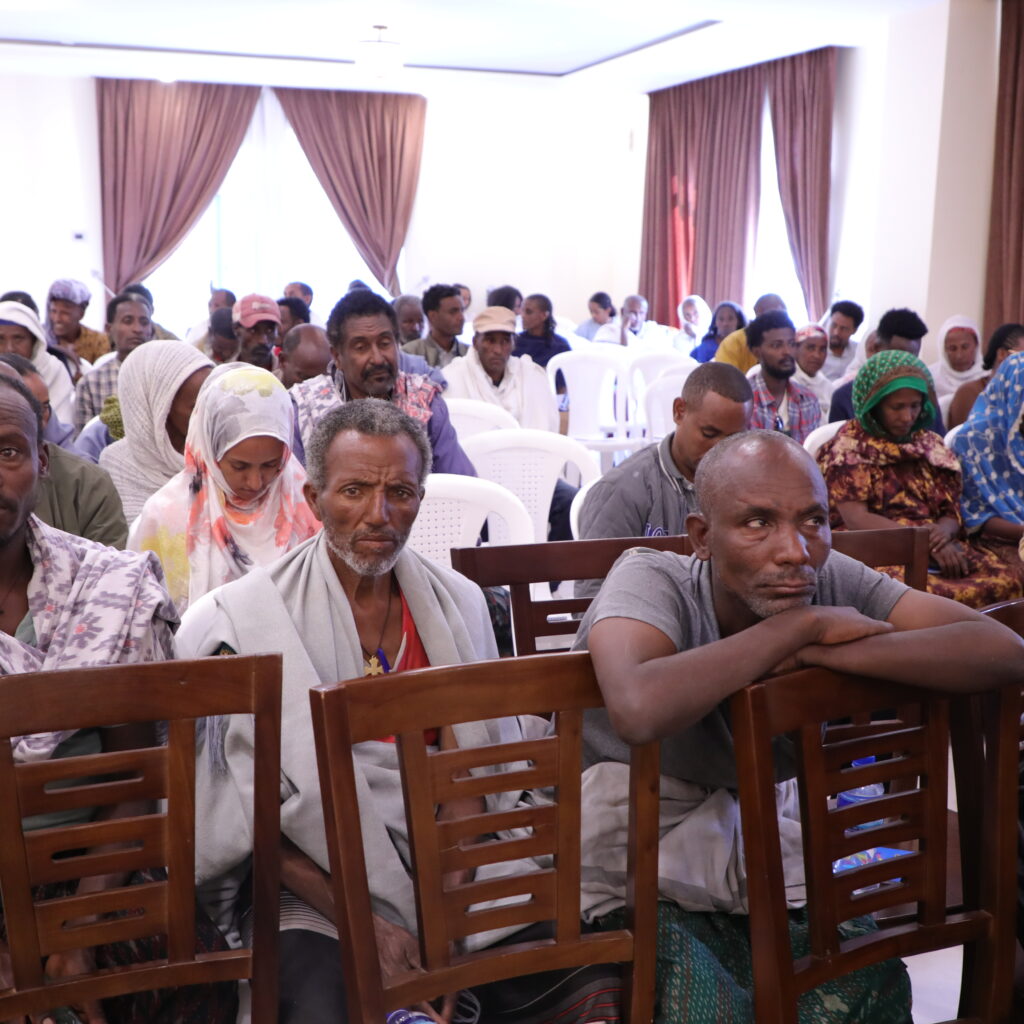
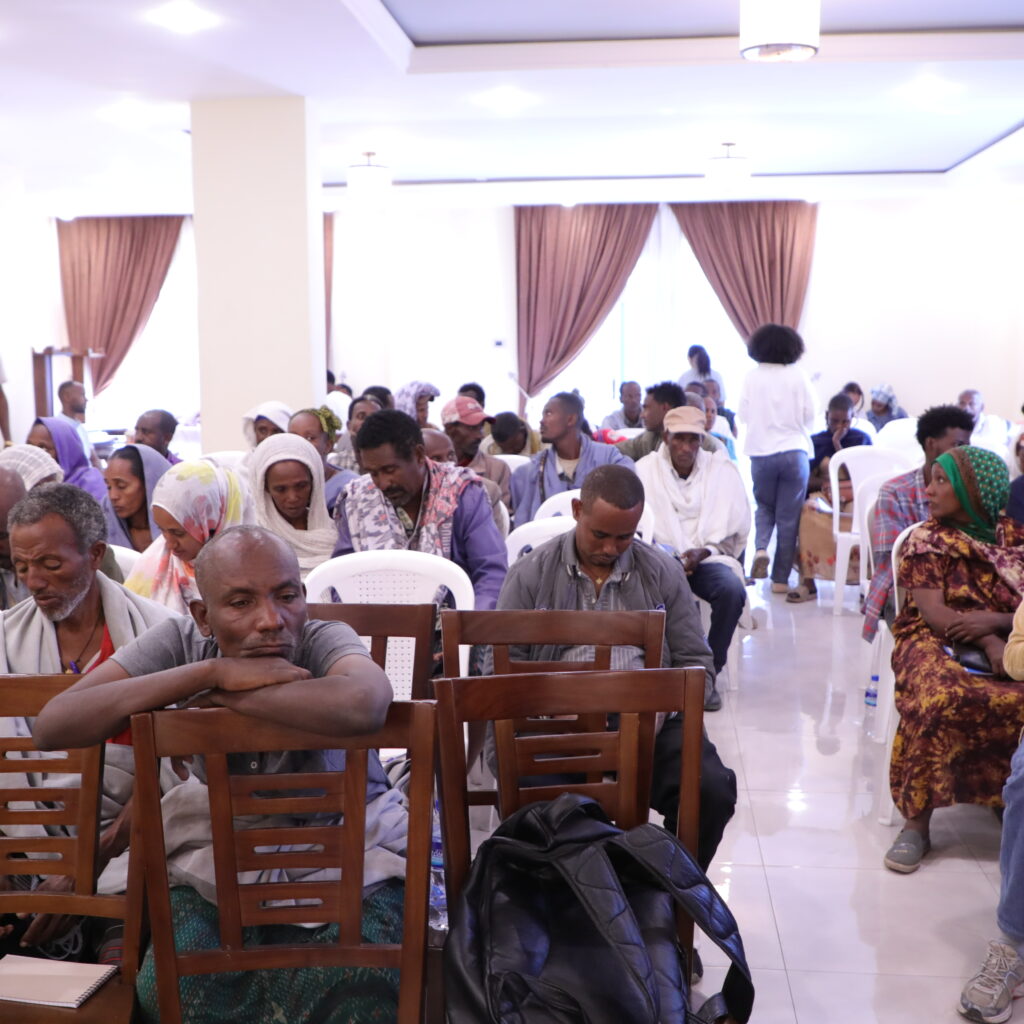
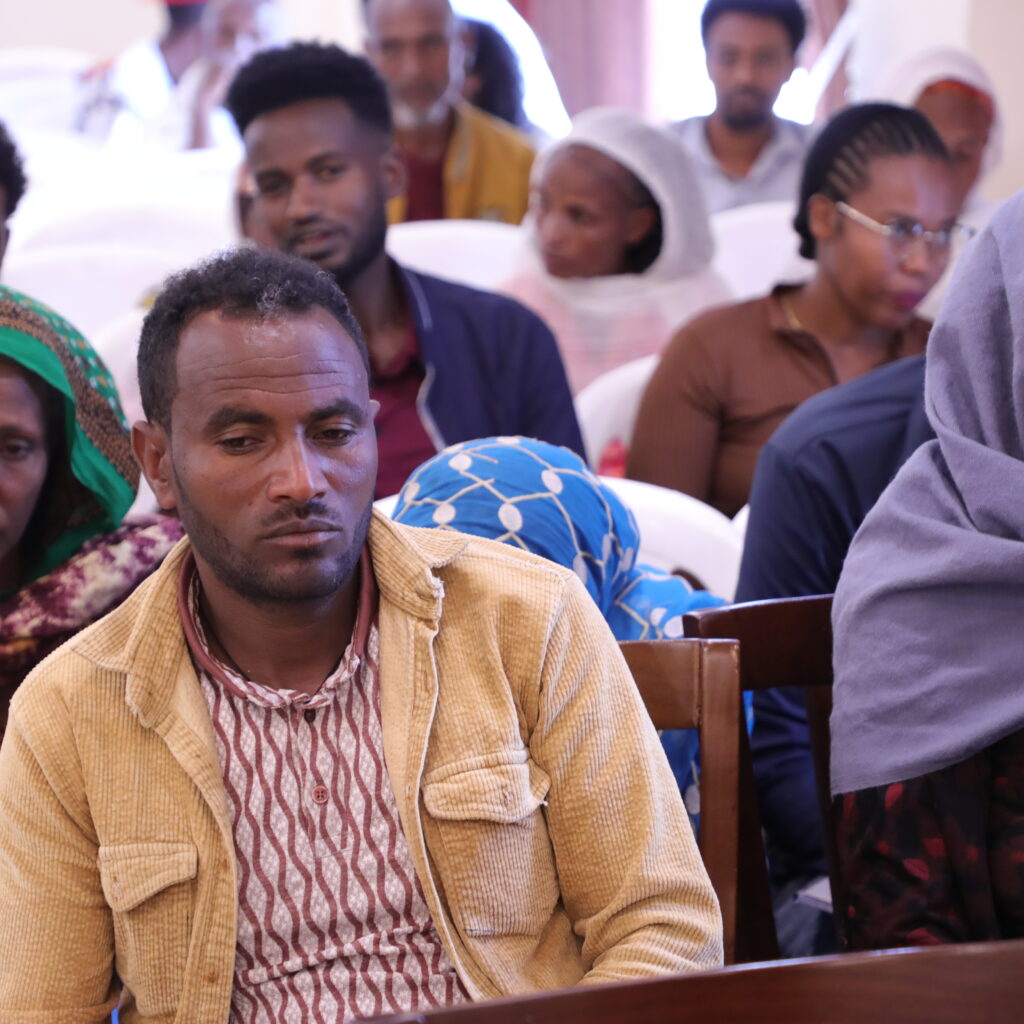
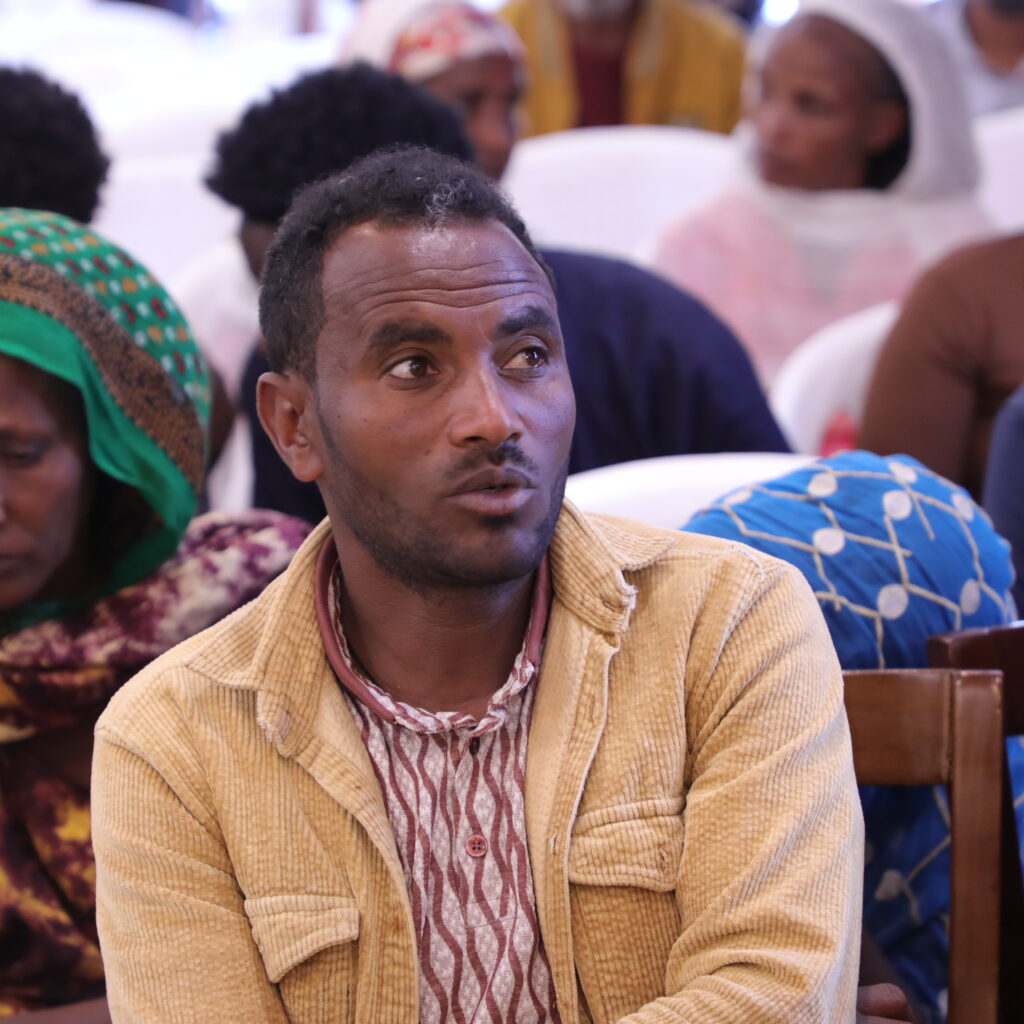
Implemented in partnership with the Ethiopian Humanitarian Fund (EHF), the initiative directly supported more than 30,000 households and indirectly reached over 67,000 community members or beneficiaries.
The project covered Alamata City, Raya Alamata, Korem, Cherecher, Ofla, and Zata woredas, working across 21 villages to restore agricultural productivity in areas heavily affected by conflict. An official closing ceremony took placed recently in November 27/2025 with the presence of EKHCHADC Commissioner Tefera Talore(PhD), government representatives from local and federal level from Ministry of Agriculture, and community beneficiaries.
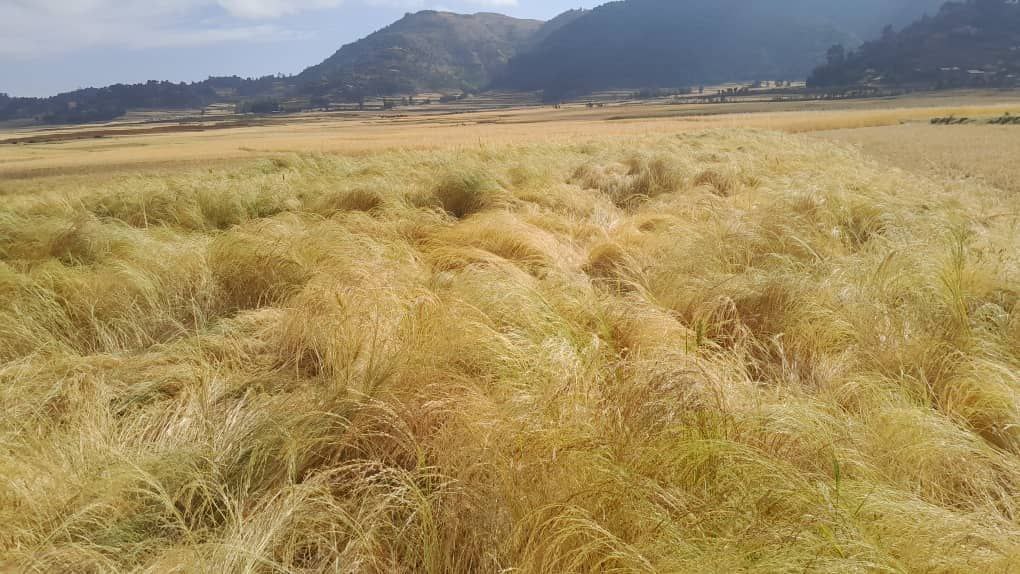
Tefera emphasized the project’s impact despite its short duration, noting that the provision of improved seeds and agricultural inputs has already boosted farmers’ yields in the targeted areas.
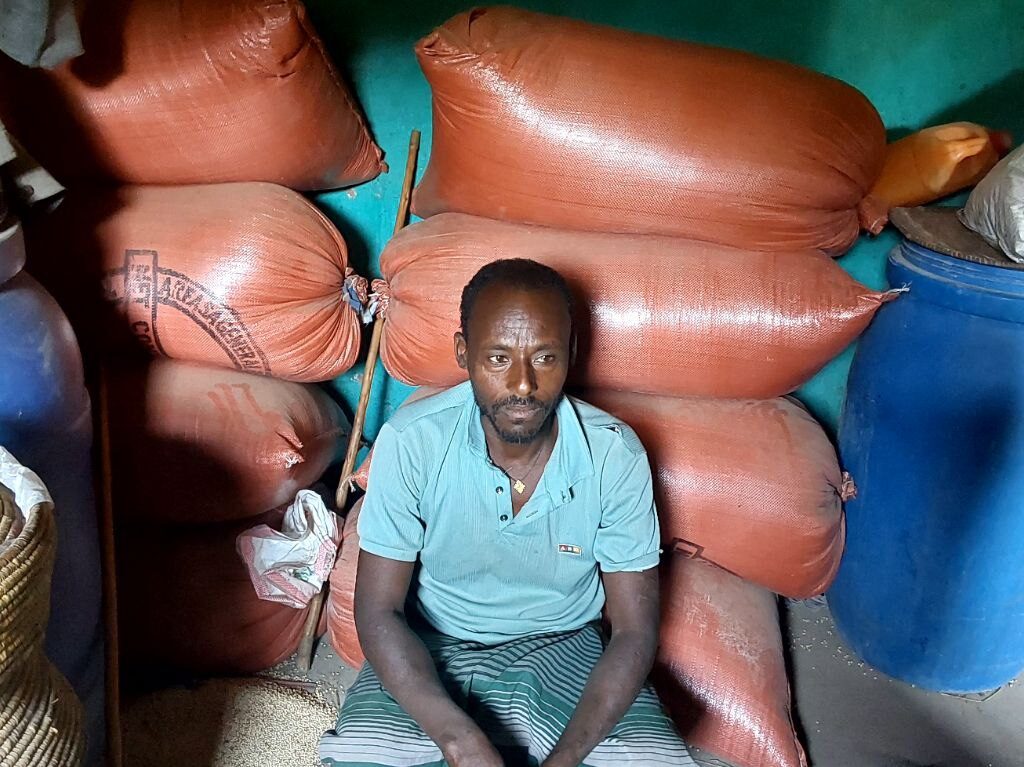
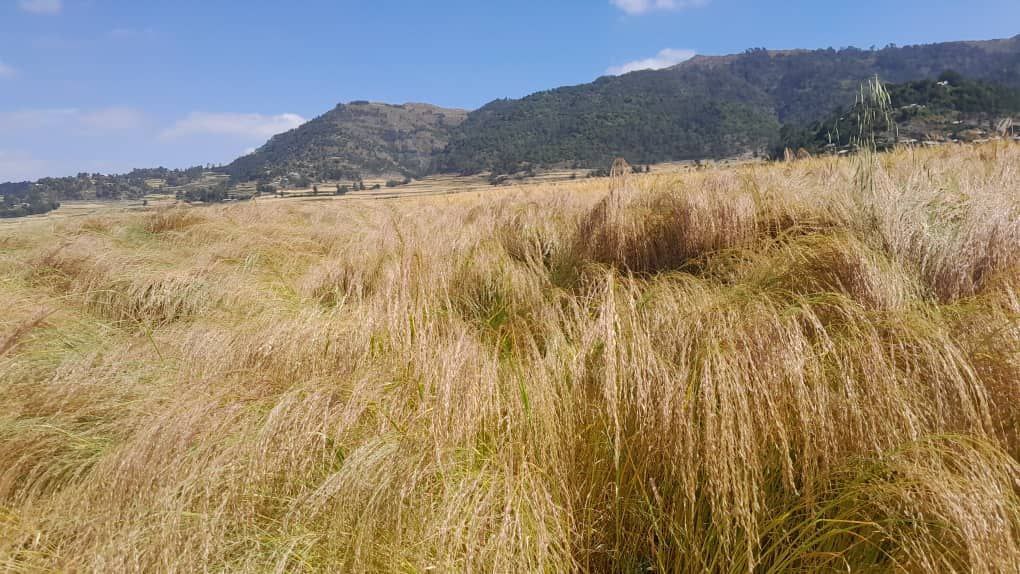
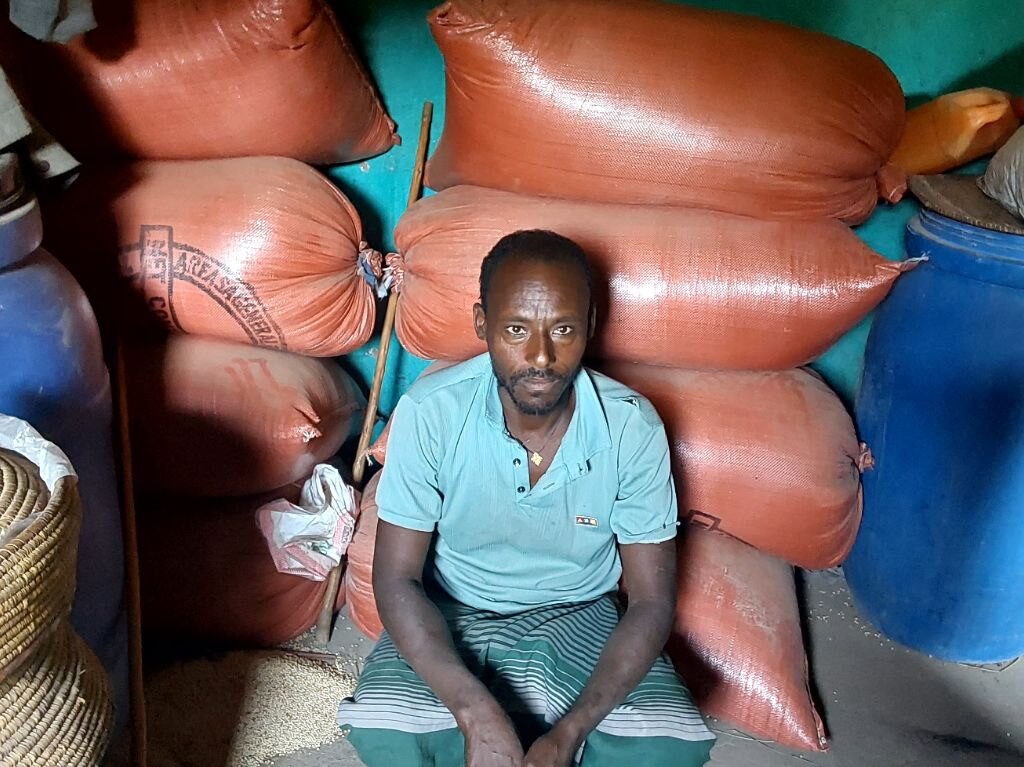
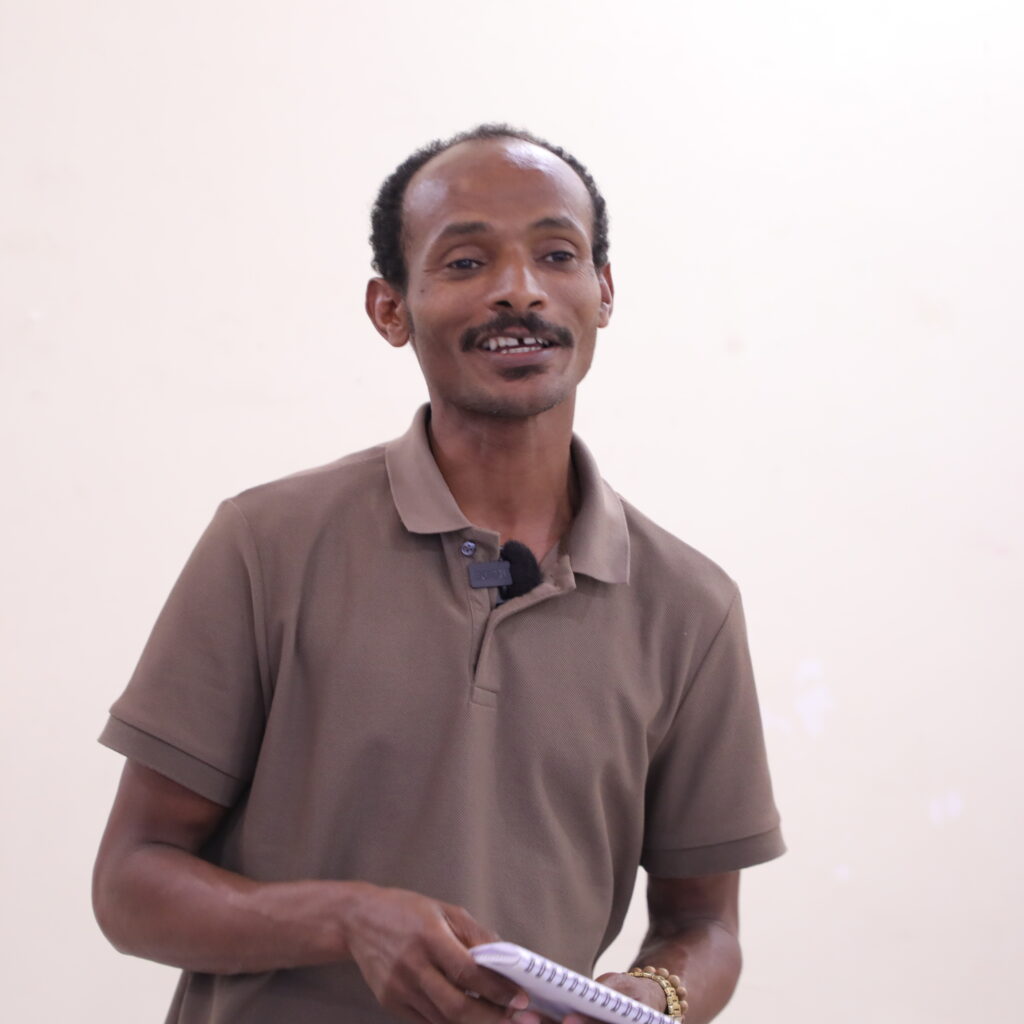
Representing the Ministry of Agriculture, Getachew Muliye, Crop Production Expert, praised the initiative, remarking that while “many projects present strong reports without tangible outcomes, EKHCHADC’s work demonstrated visible, integrated results on the ground”. He added that such initiatives, if supported sustainably, can meaningfully transform communities and encouraged strengthened partnerships with EKHCHADC and other local NGOs.
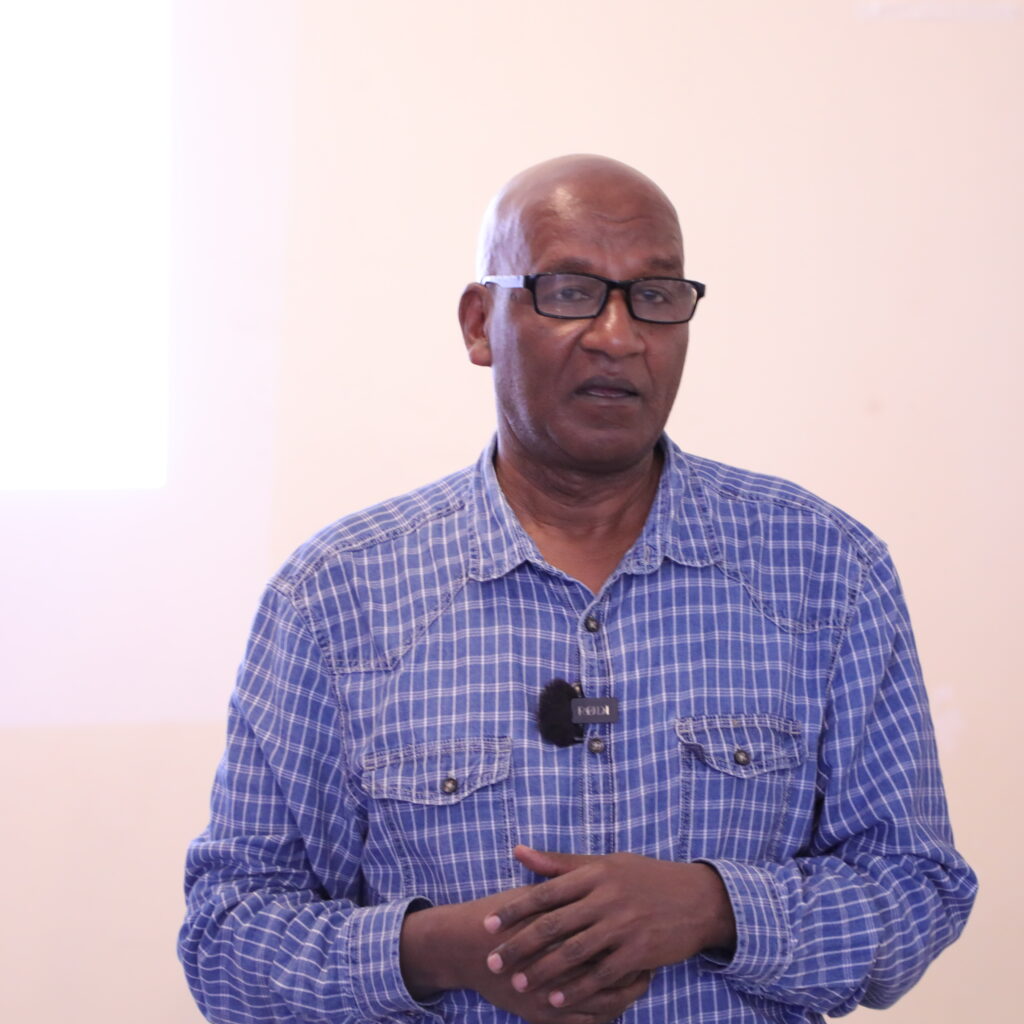
According to Abraham Alembo, Livelihood Development and Disaster Response Directorate Delegate at EKHCHADC, the project originally aimed to support 4,500 households but far exceeded expectations—reaching more than 33,000 people directly.
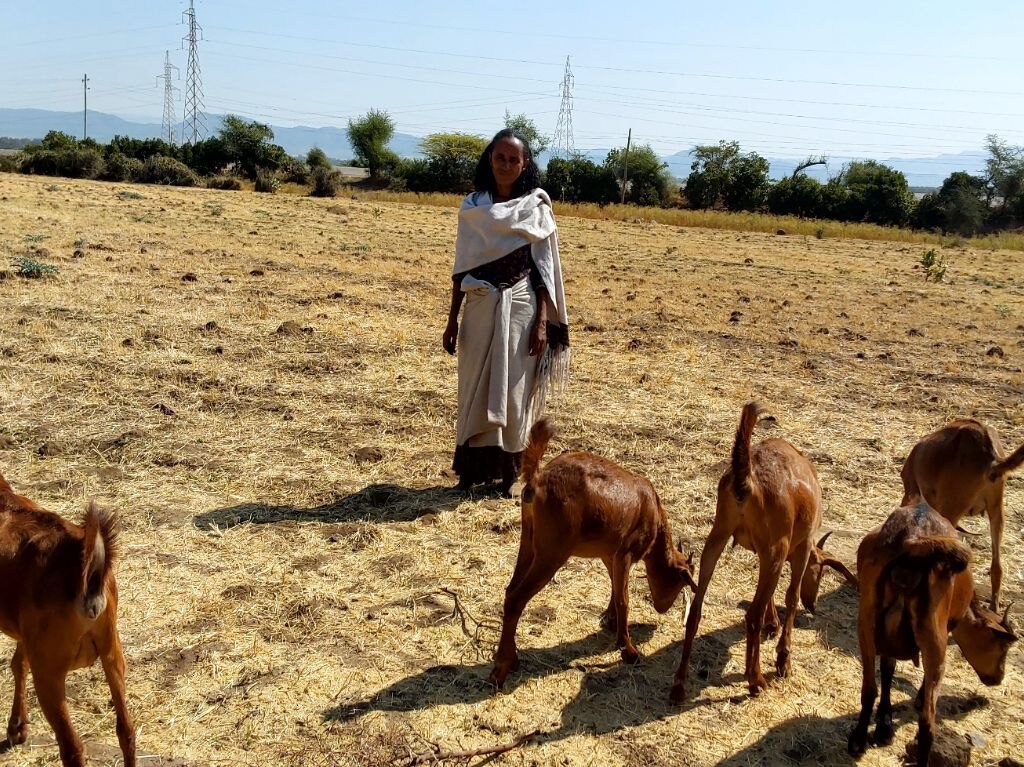
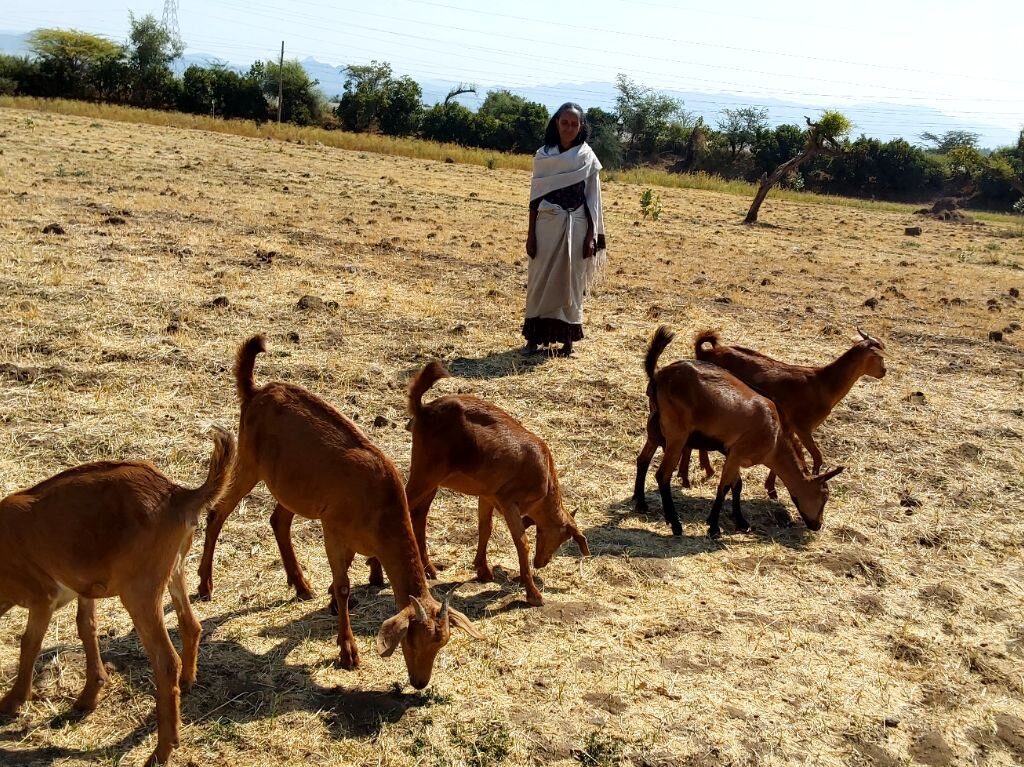
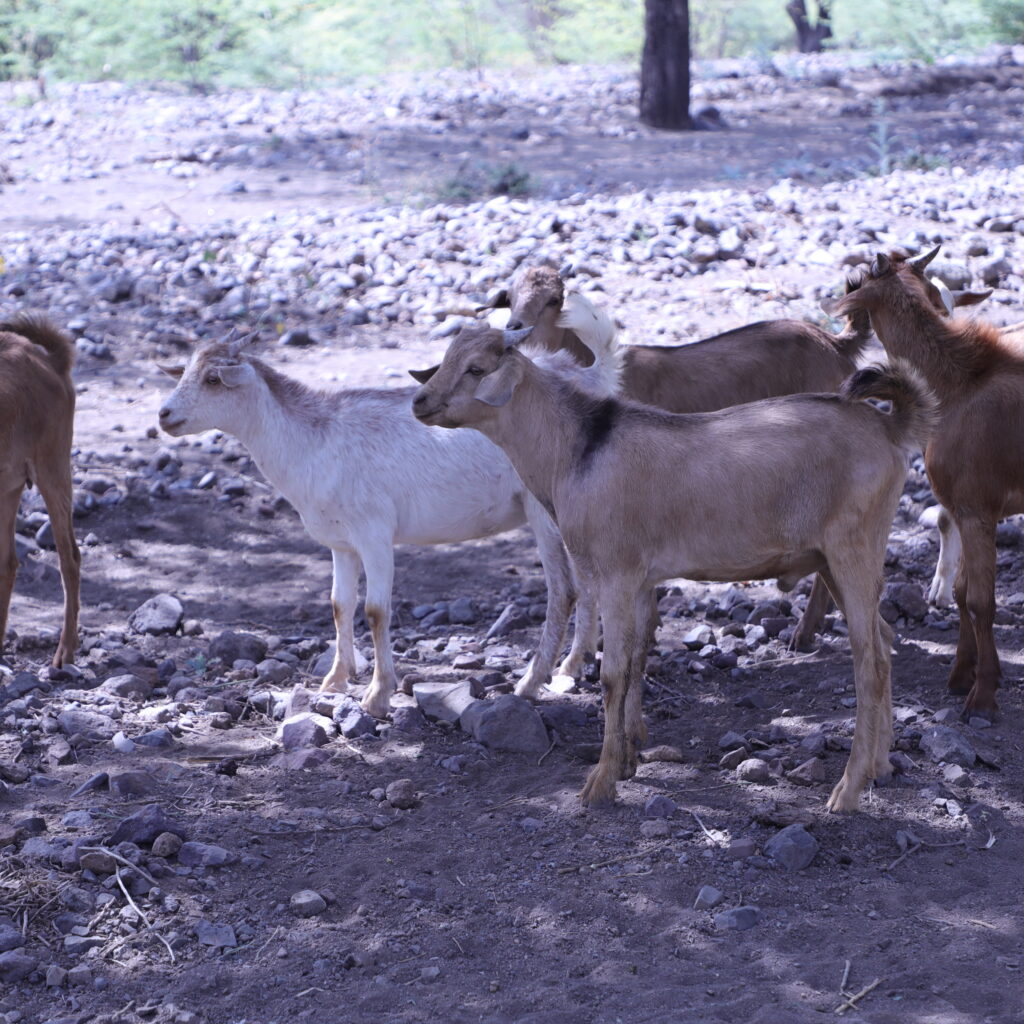
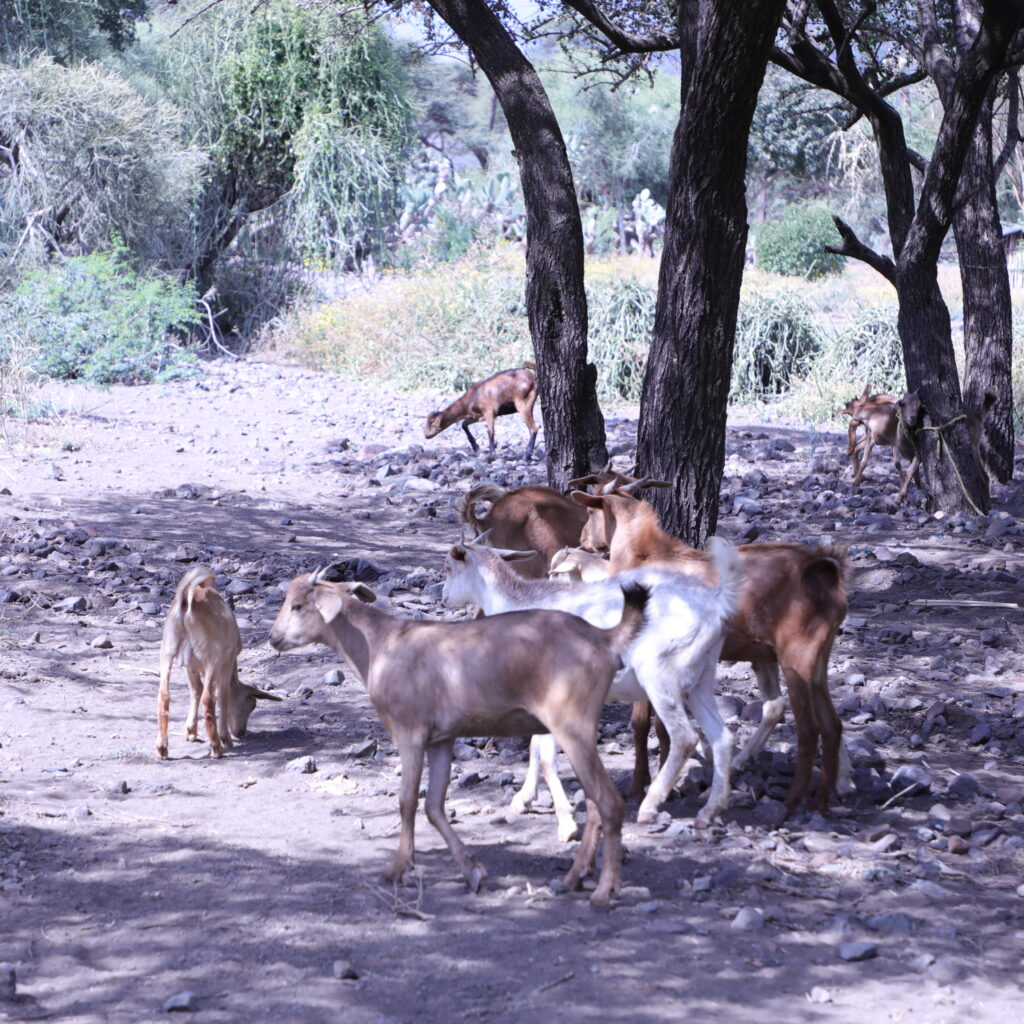
Abraham Alembo, who also serving as Emergency and Relief Program Manager, highlighted that farmers received essential agricultural inputs including 50 kg of fertilizer, 12.5 kg of improved teff seed, 10 kg of improved sorghum seed, as well as livestock restocking support and veterinary medical supplies for local health centers.
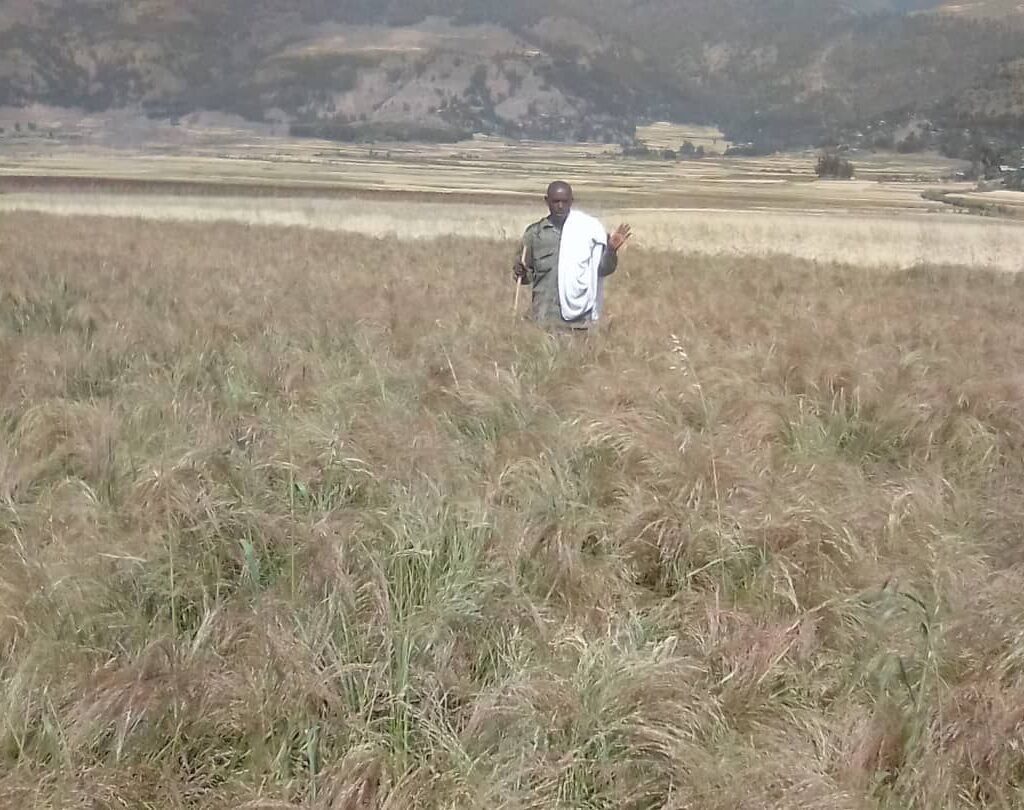
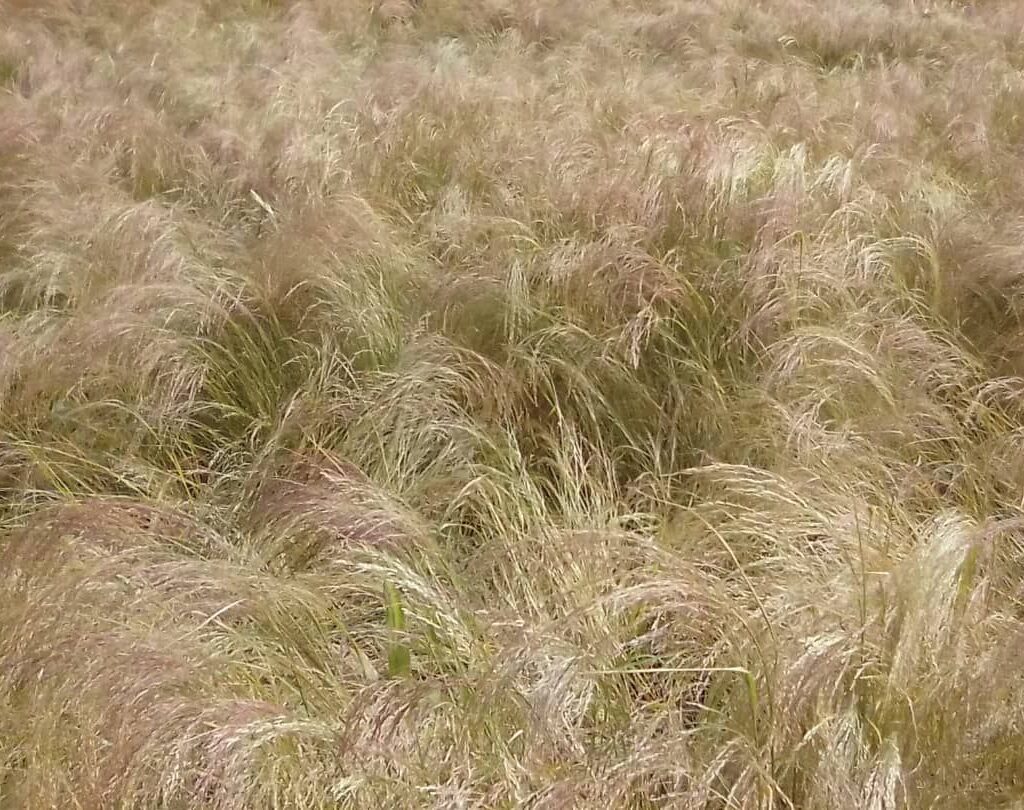
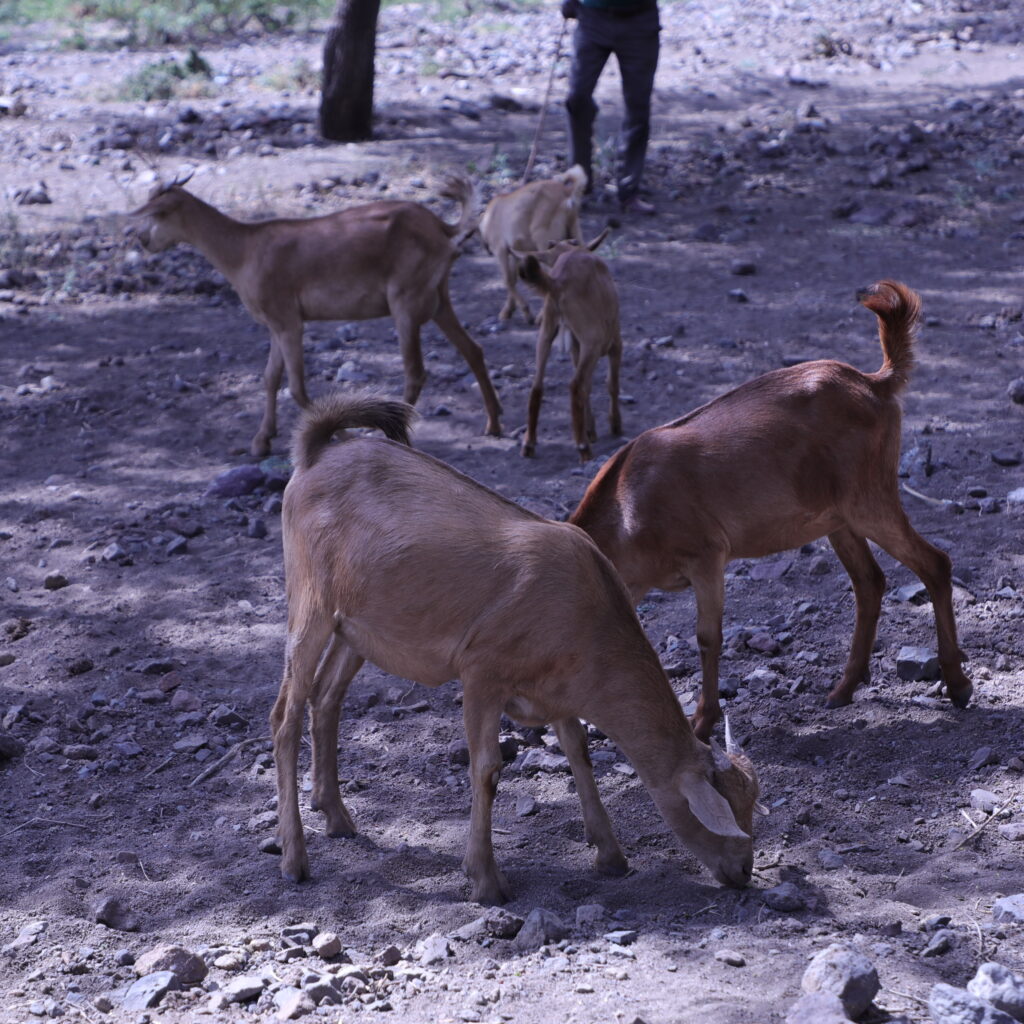
Field visits revealed remarkable increases in productivity. Farmers harvested up to 10–22 quintals of sorghum from just 10 kg of seed, with teff yields and goat multiplication rates also showing promising improvements in household livelihoods.
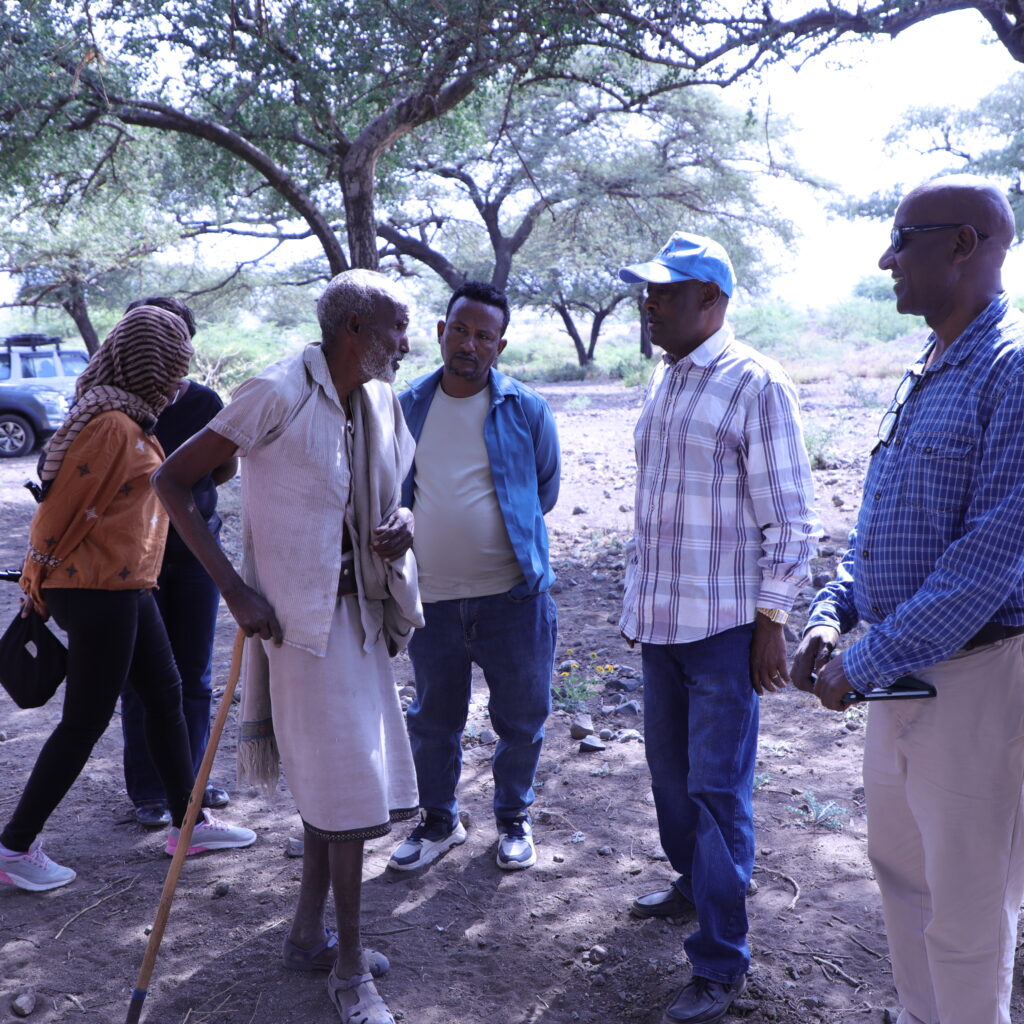
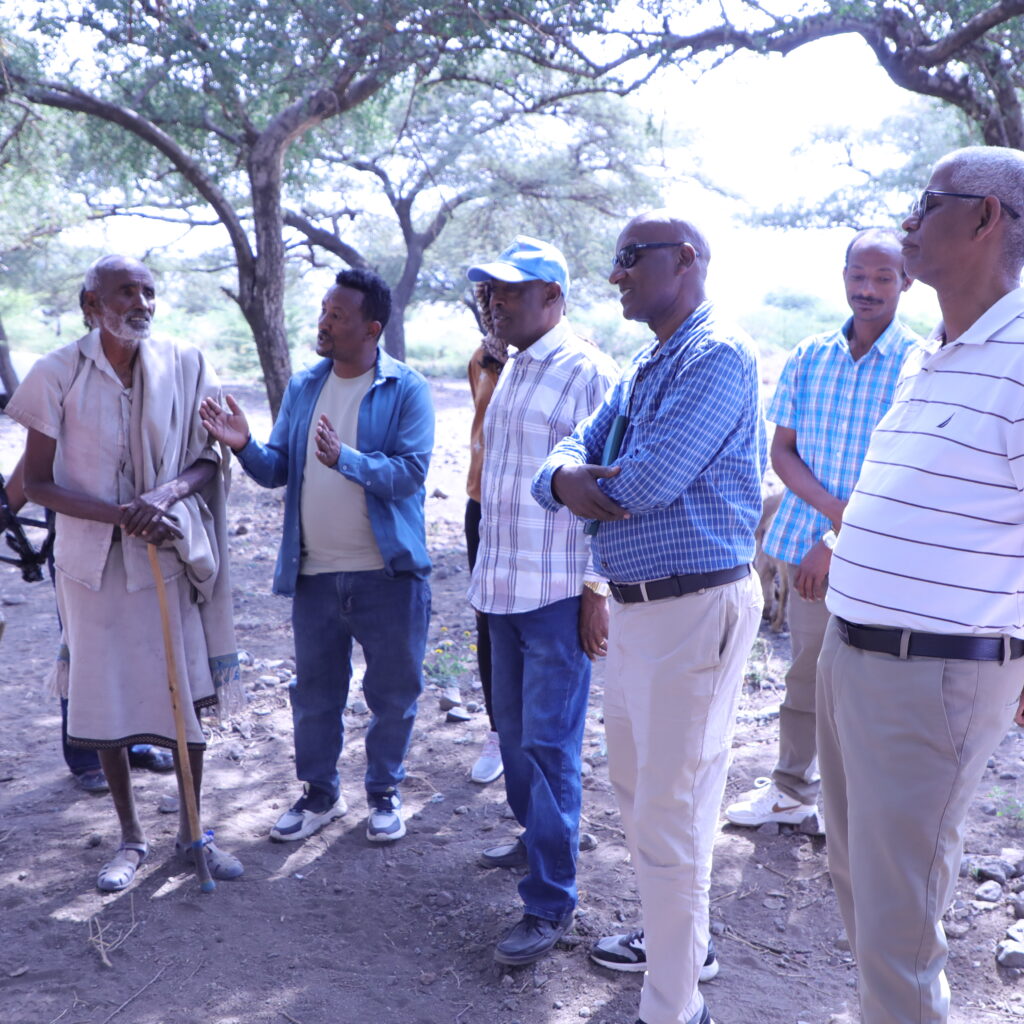
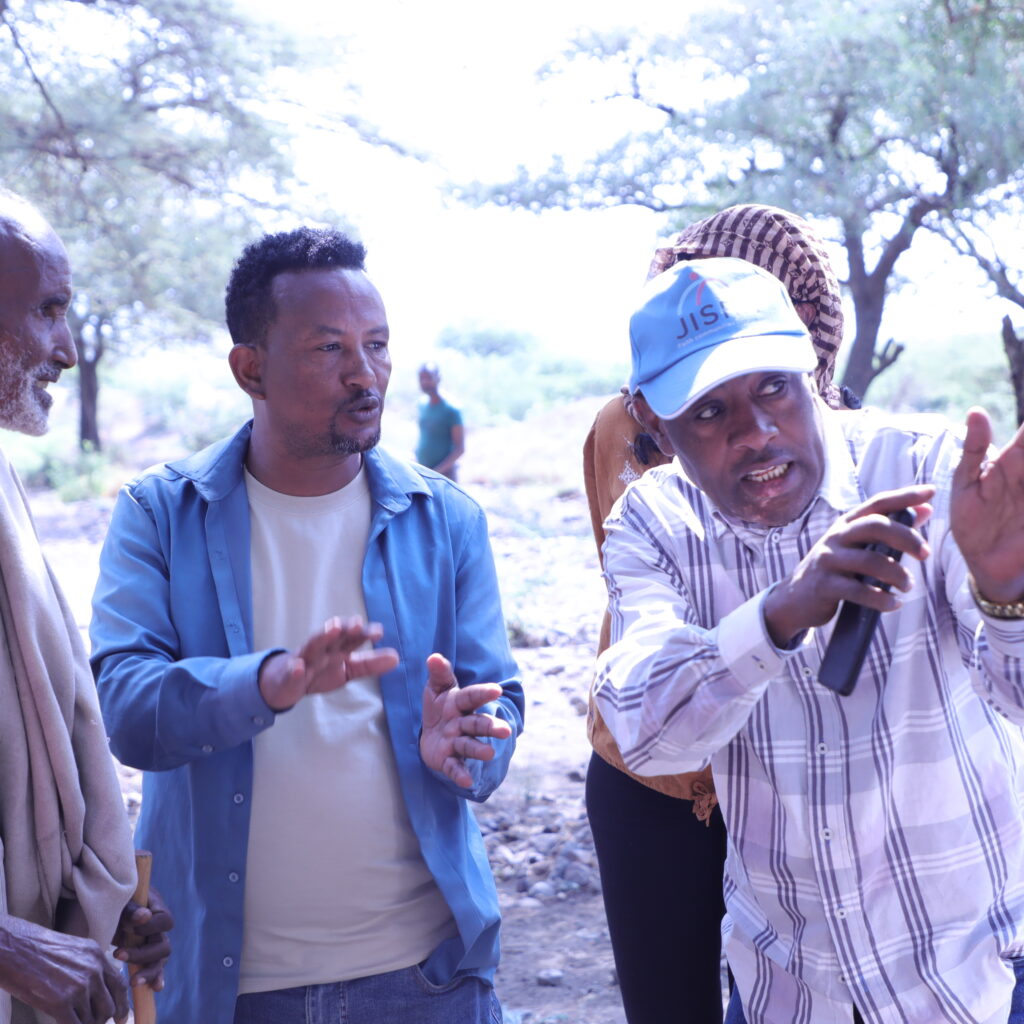
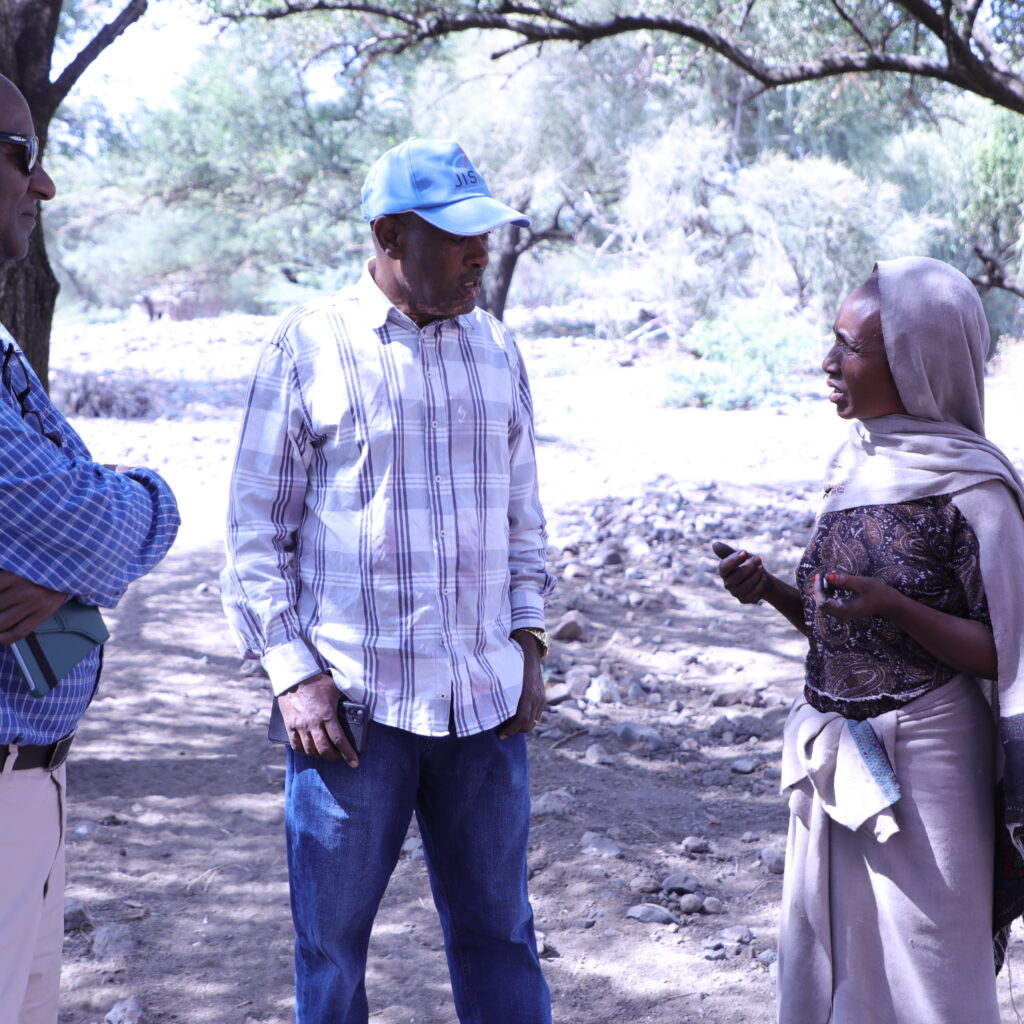
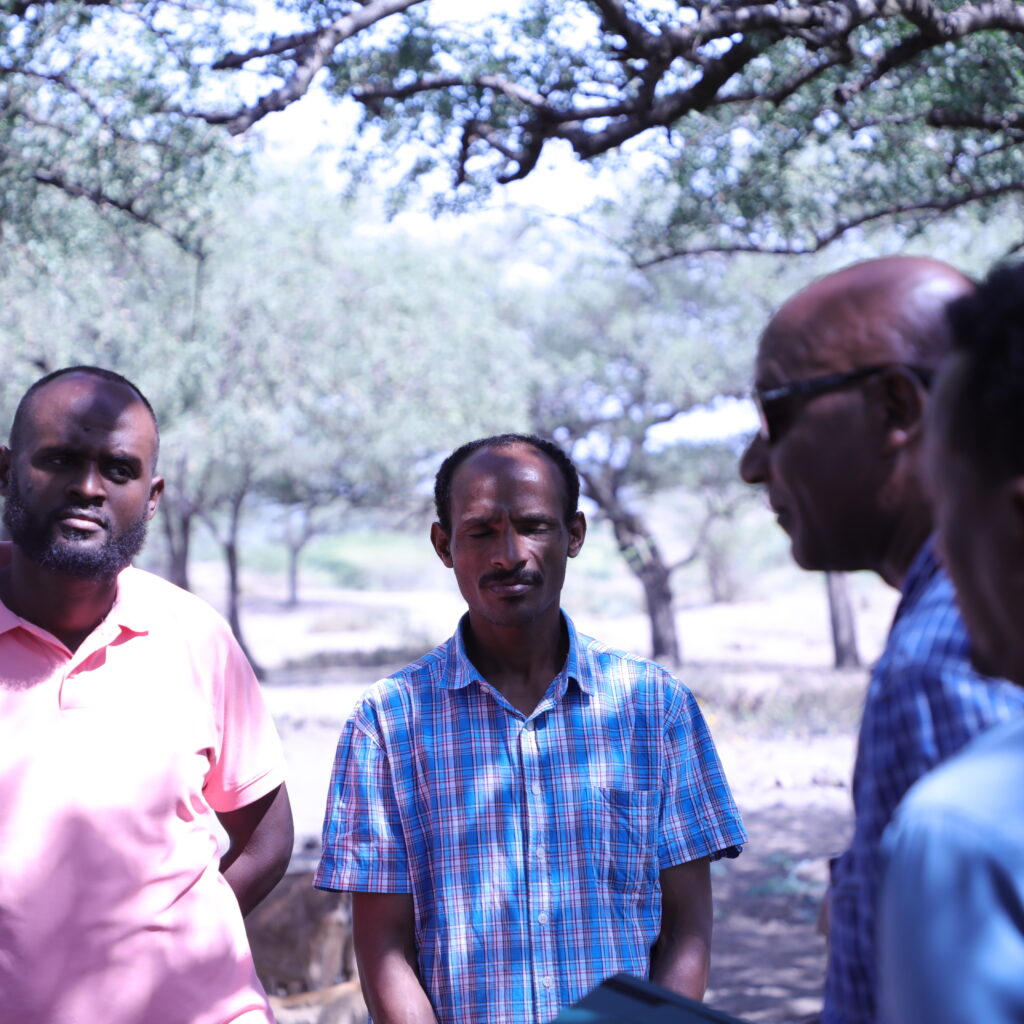
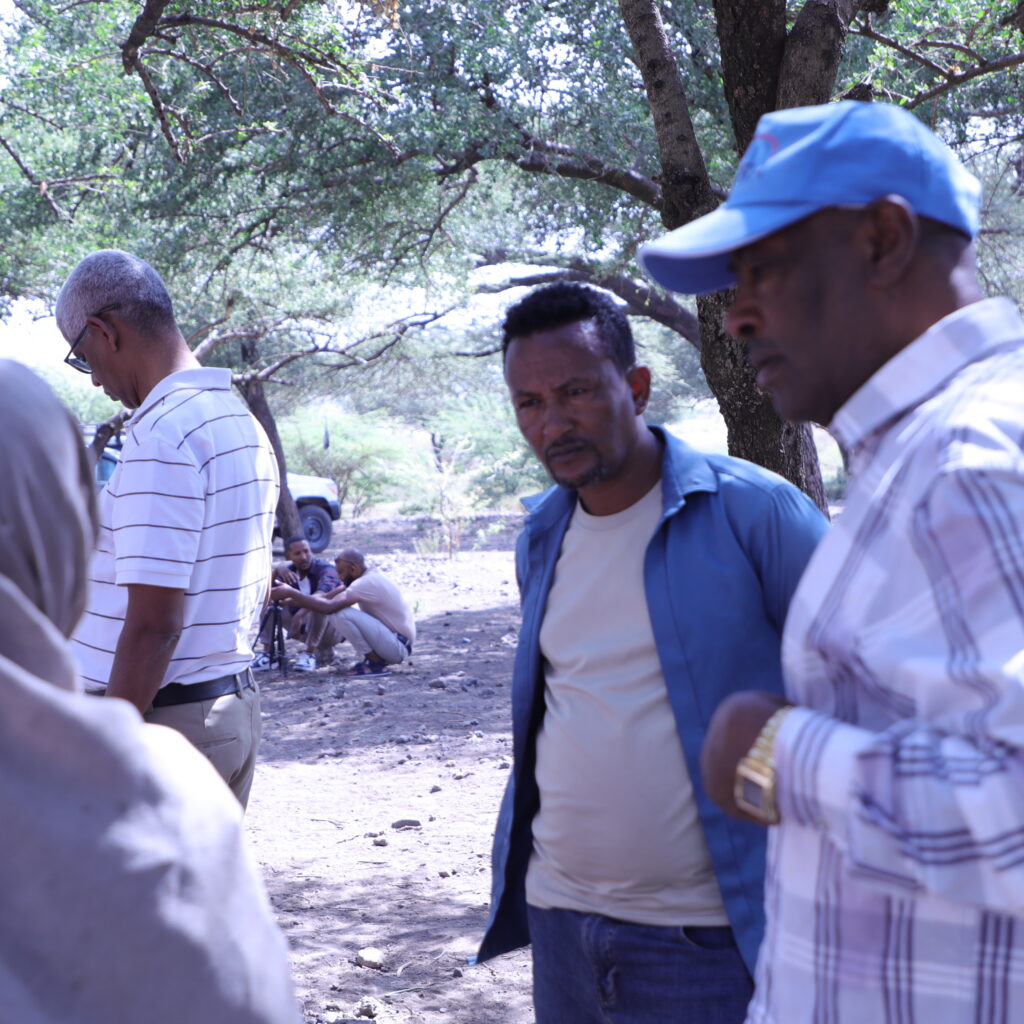
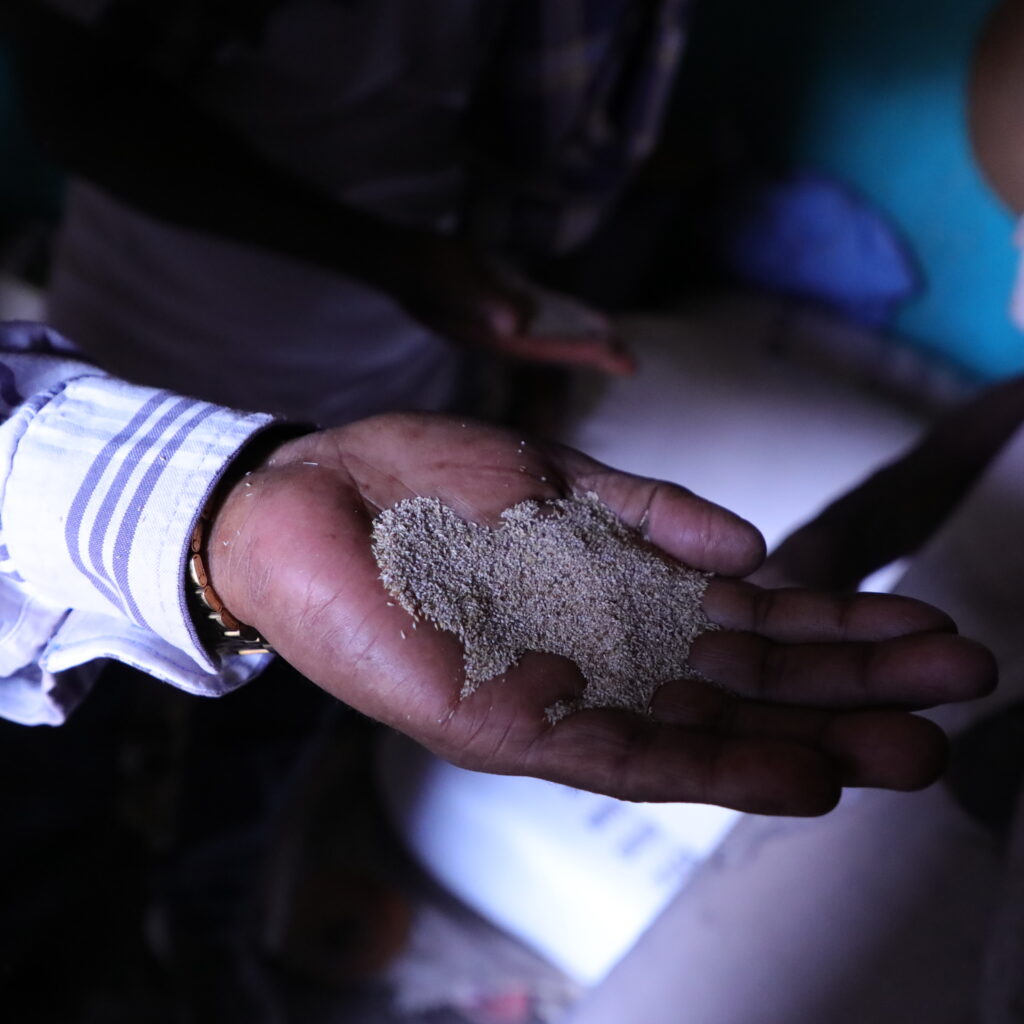
EKHCHADC Emergency and Relief Program Coordinator Efrem Kebede noted that while the needs in war-affected areas remain significant, the project has played a vital role in helping families rebuild their food security and restore their livelihoods.
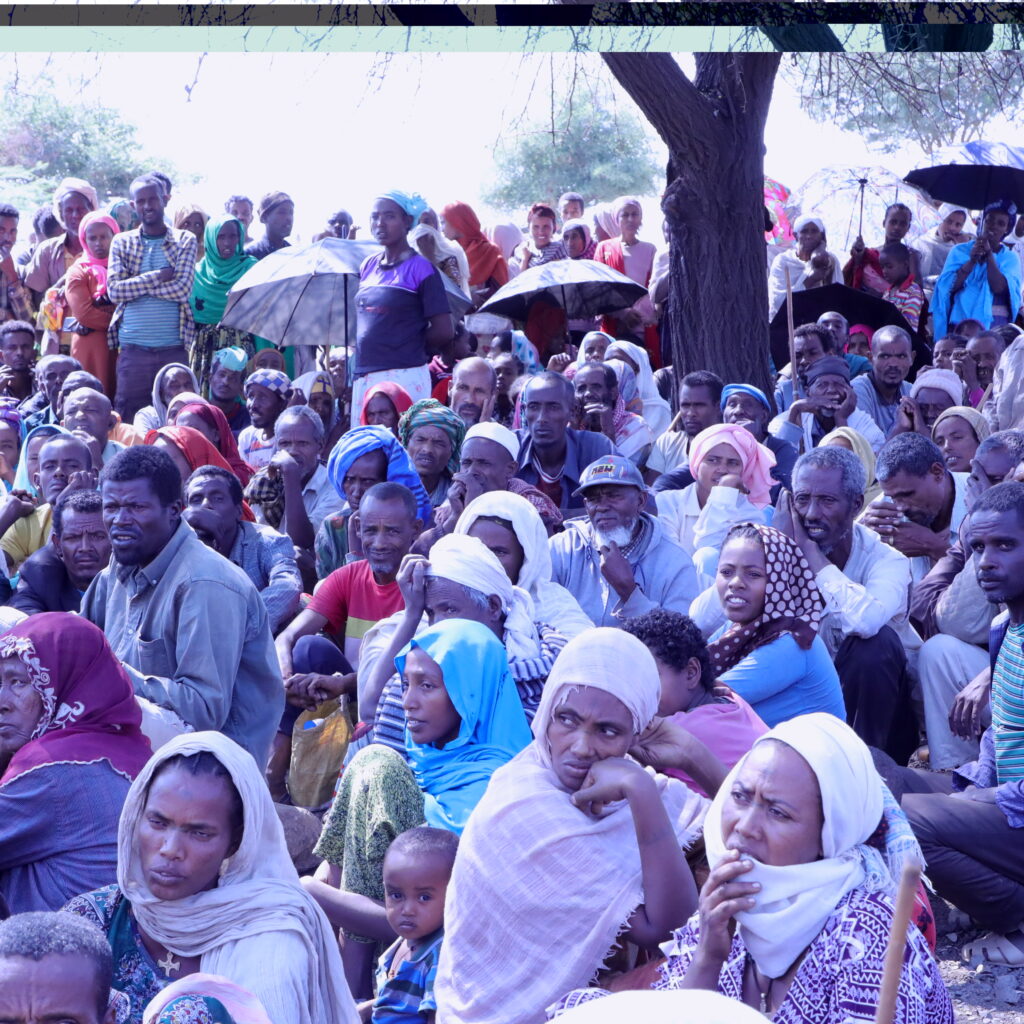
Beneficiaries expressed deep gratitude, describing the support as life-changing and unparalleled. Many shared that the assistance provided by EKHCHADC and its partners offered renewed hope during an extremely challenging period.
In general, the project supplied improved seeds sufficient for half-hectare plots, fertilizer and inputs for 4,500 farmers, fertilizer support for 1,357 additional households, and livestock packages (five goats each) for 805 beneficiaries.
Related Humanitarian Efforts
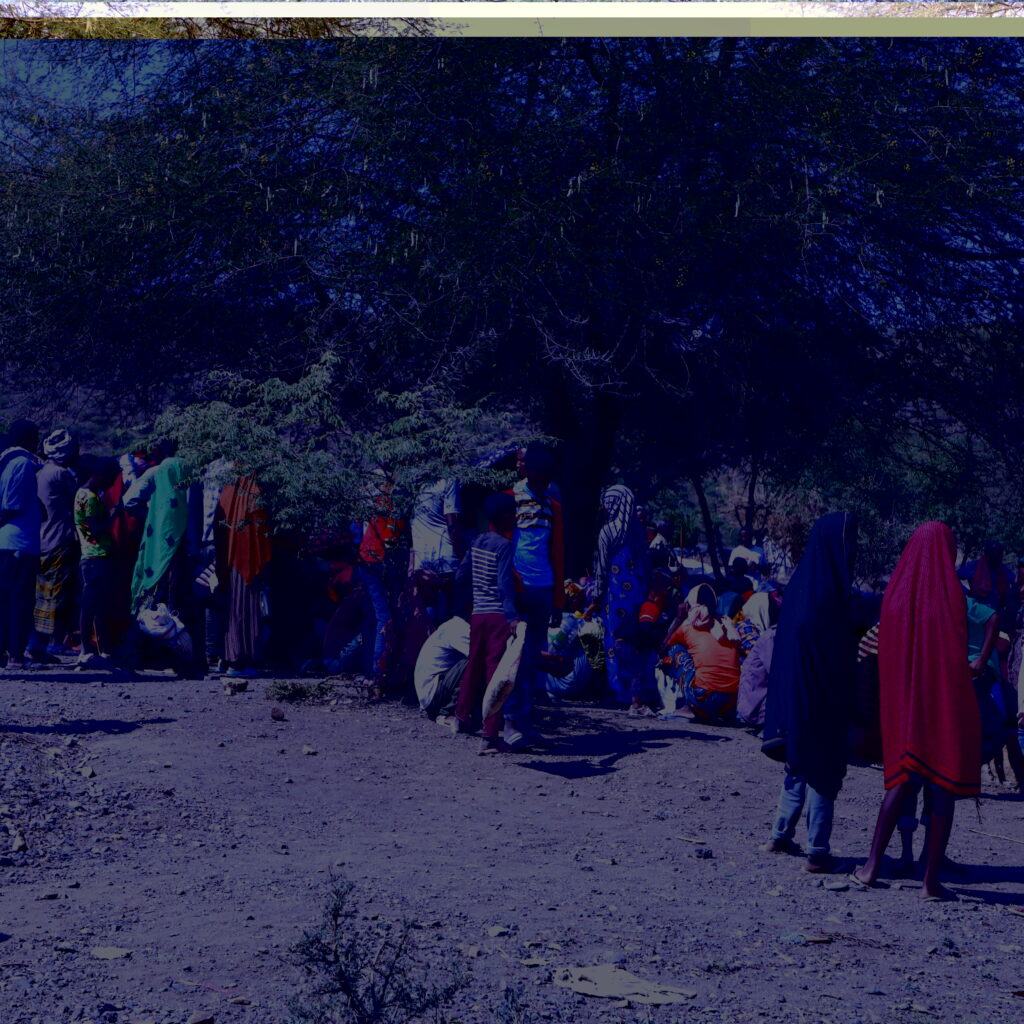
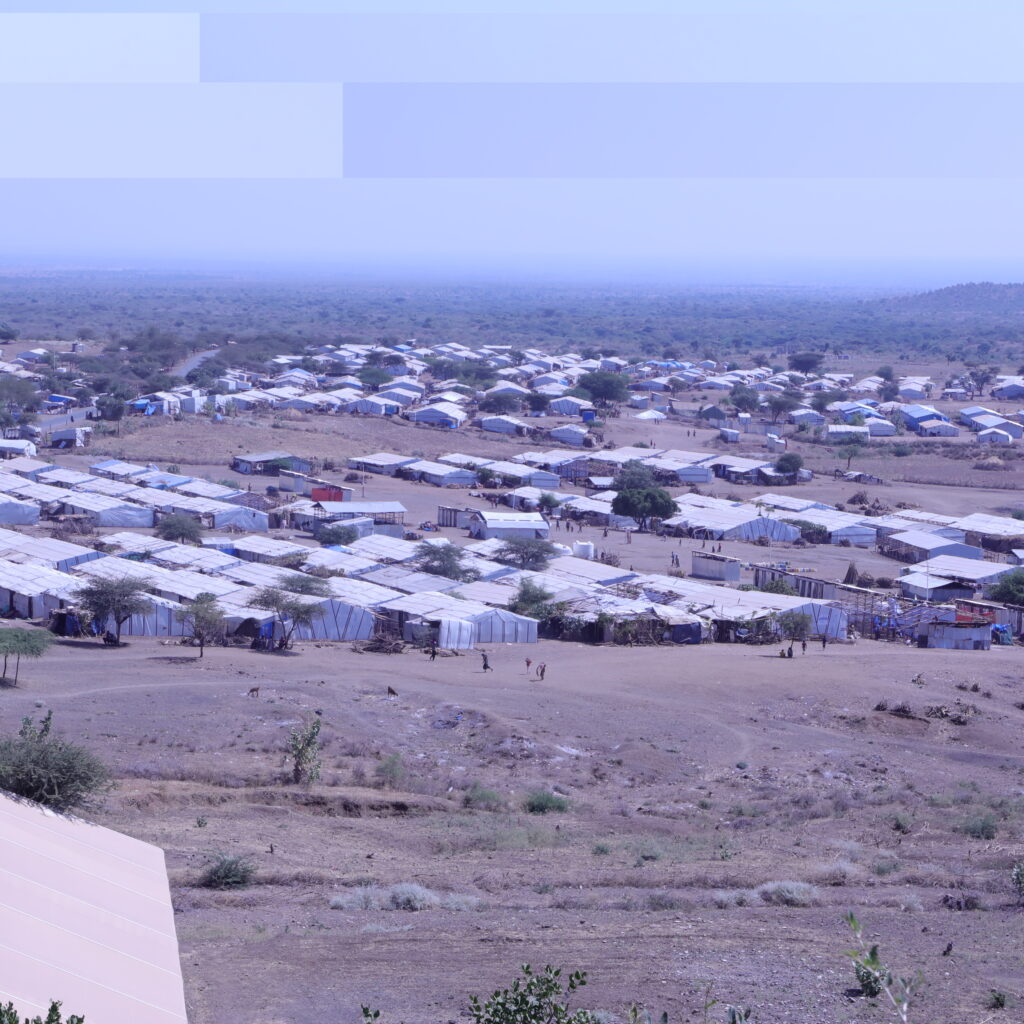
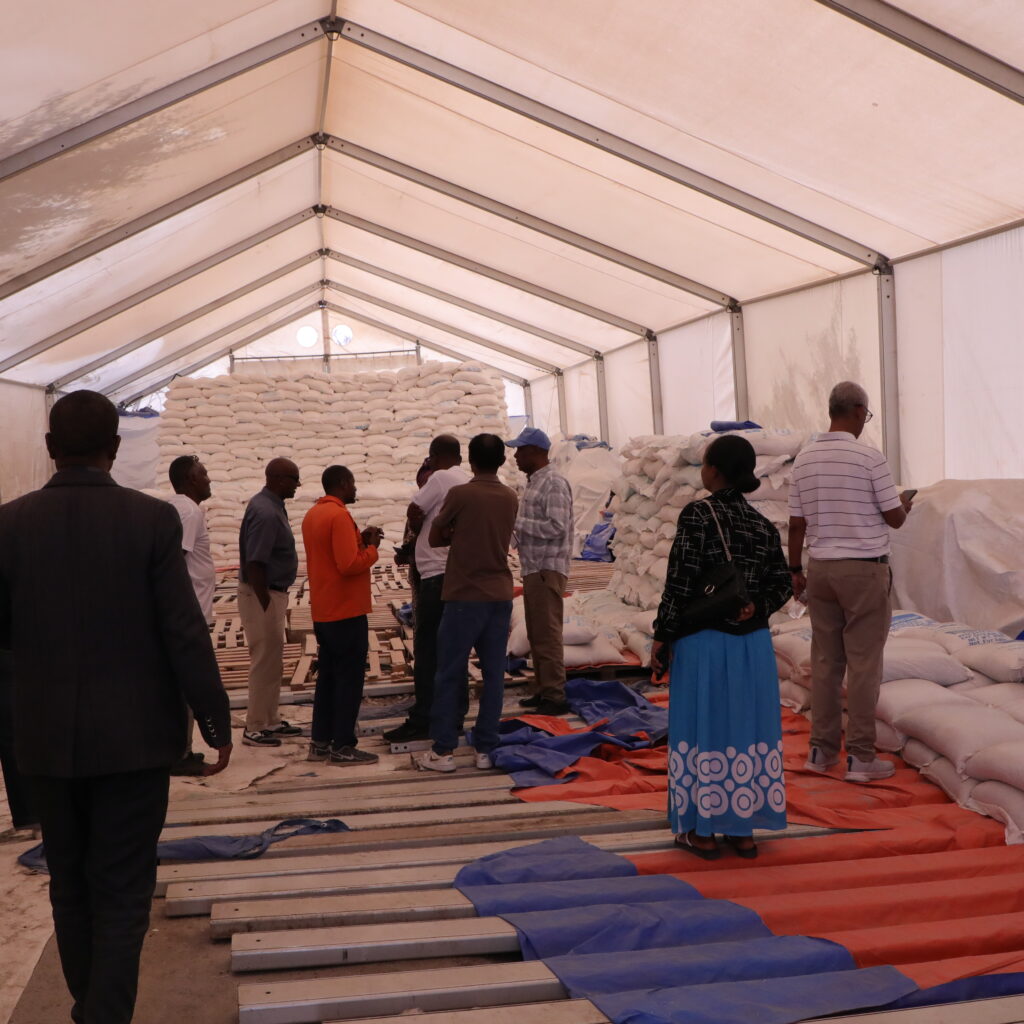
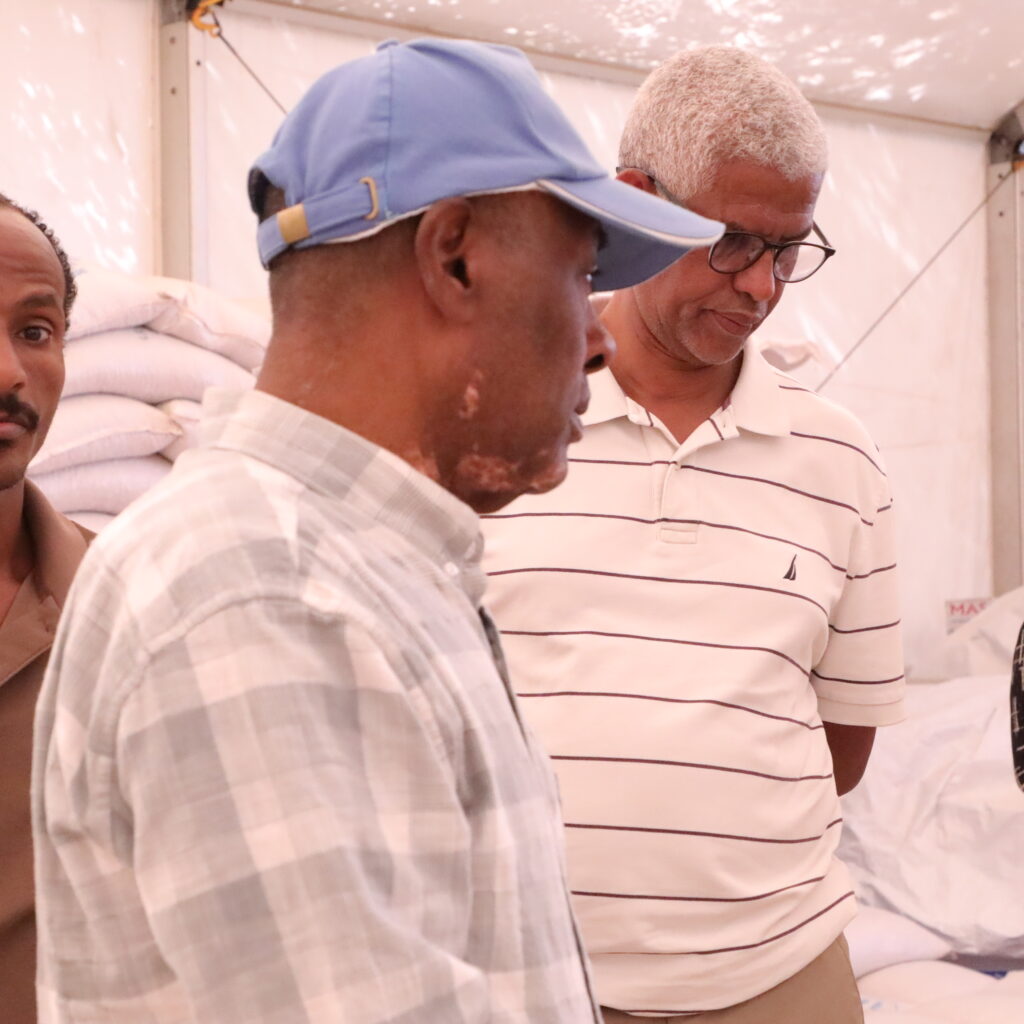
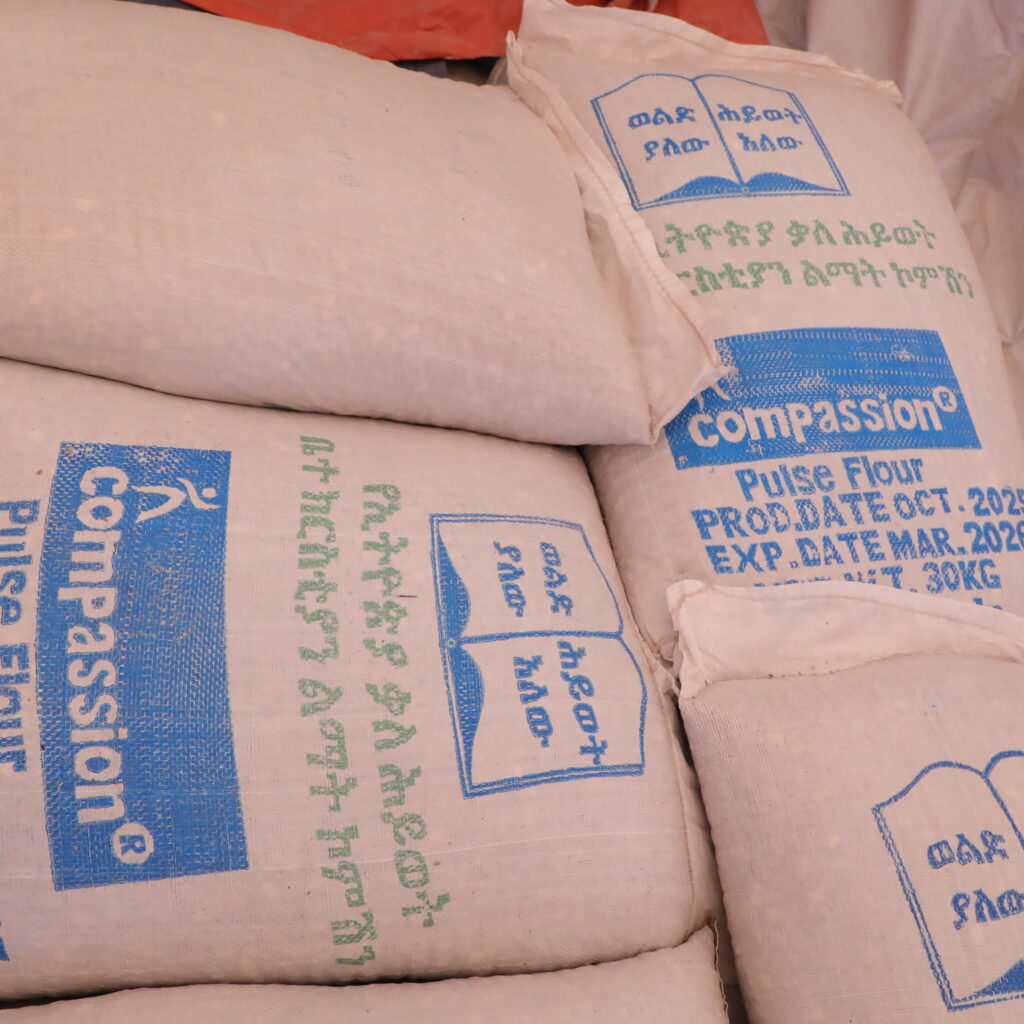
In parallel, EKHCHADC continues to implement emergency interventions in the Amhara region in partnership with Compassion International Ethiopia. The Commission recently visited internally displaced people (IDPs) in Jara camp near Woldiya, where more than 8,000 IDPs are currently sheltered. EKHCHADC has begun distributing maize flour, cooking oil, and other essential supplies as part of broader efforts to reach 21,000 IDPs across multiple camps. Beneficiaries who received assistance expressed heartfelt appreciation for the lifesaving support delivered during this difficult time.
Add a Comment