
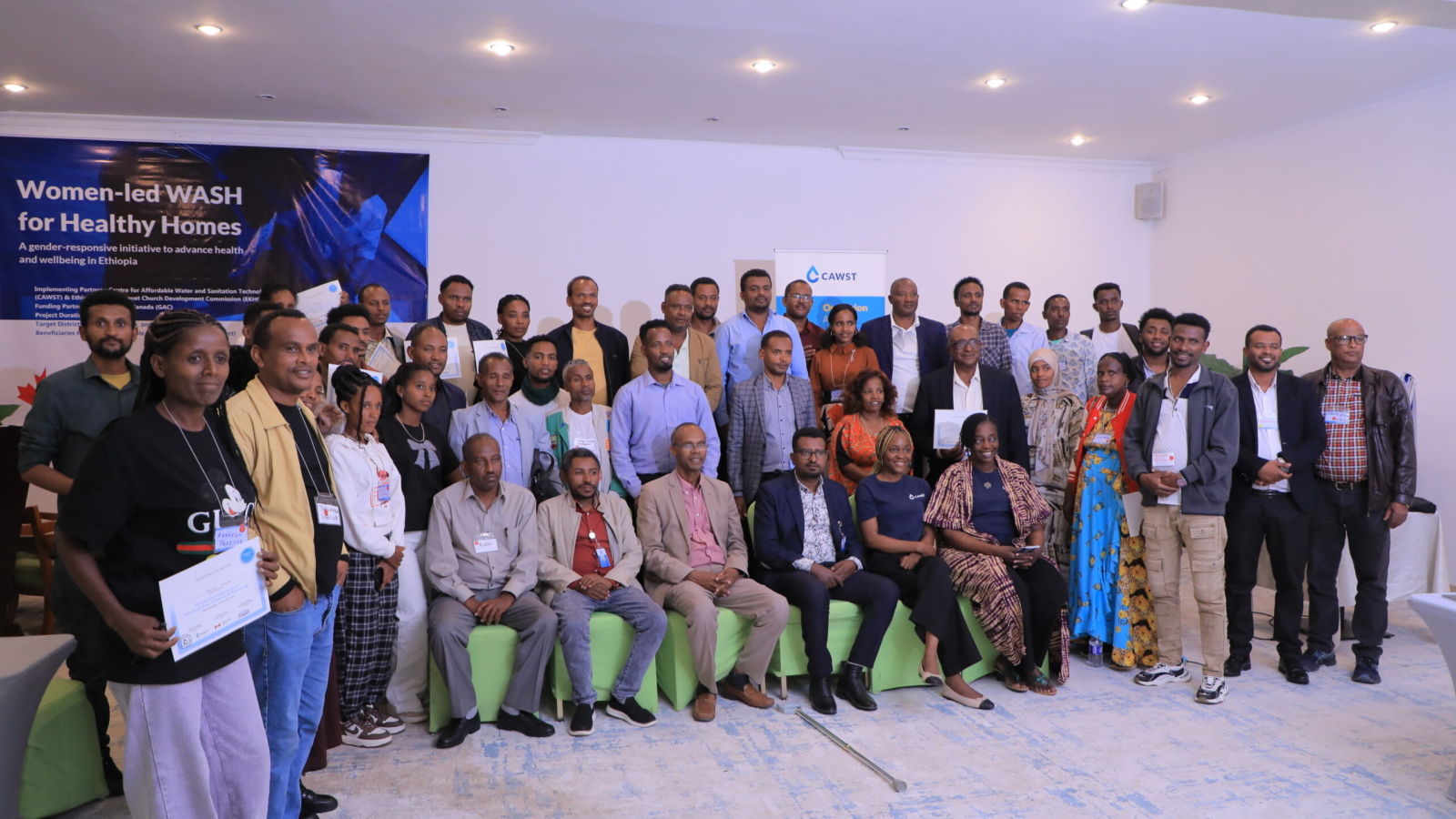
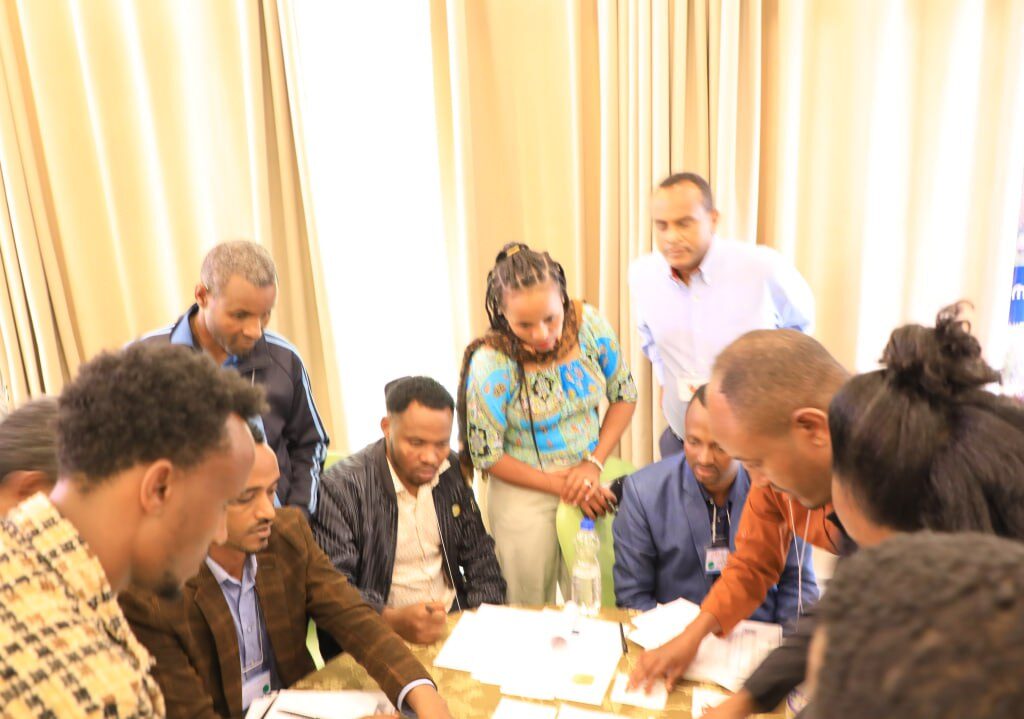
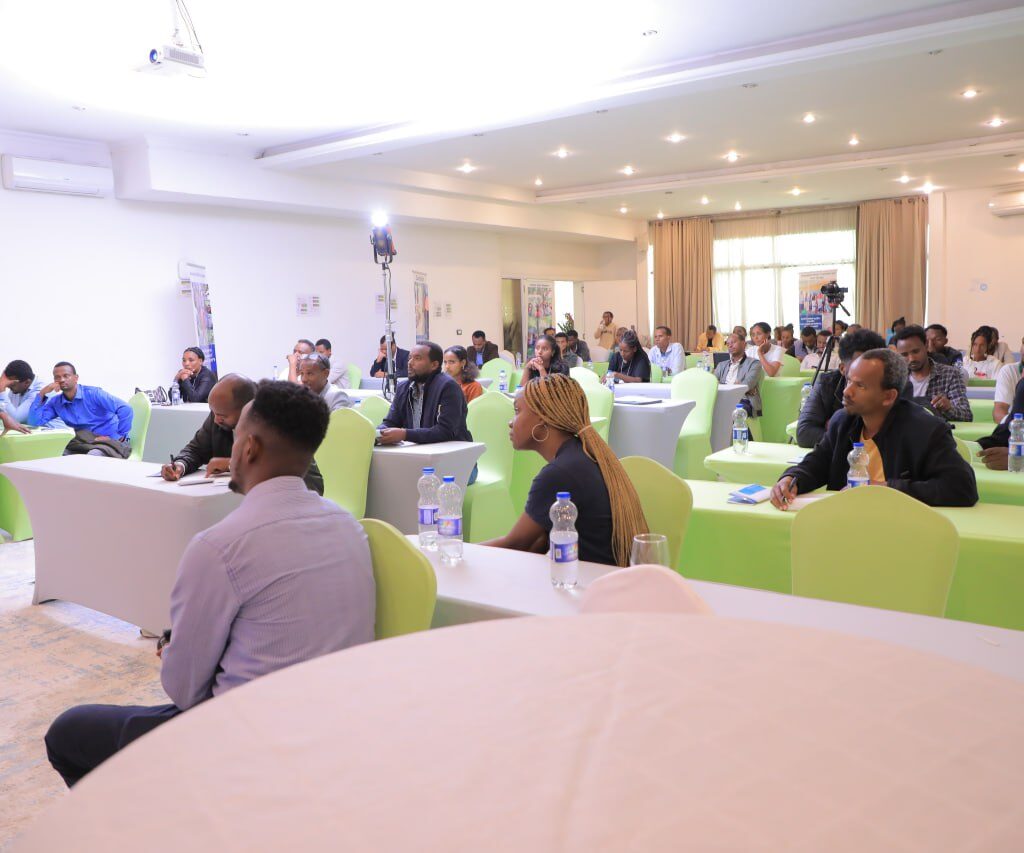
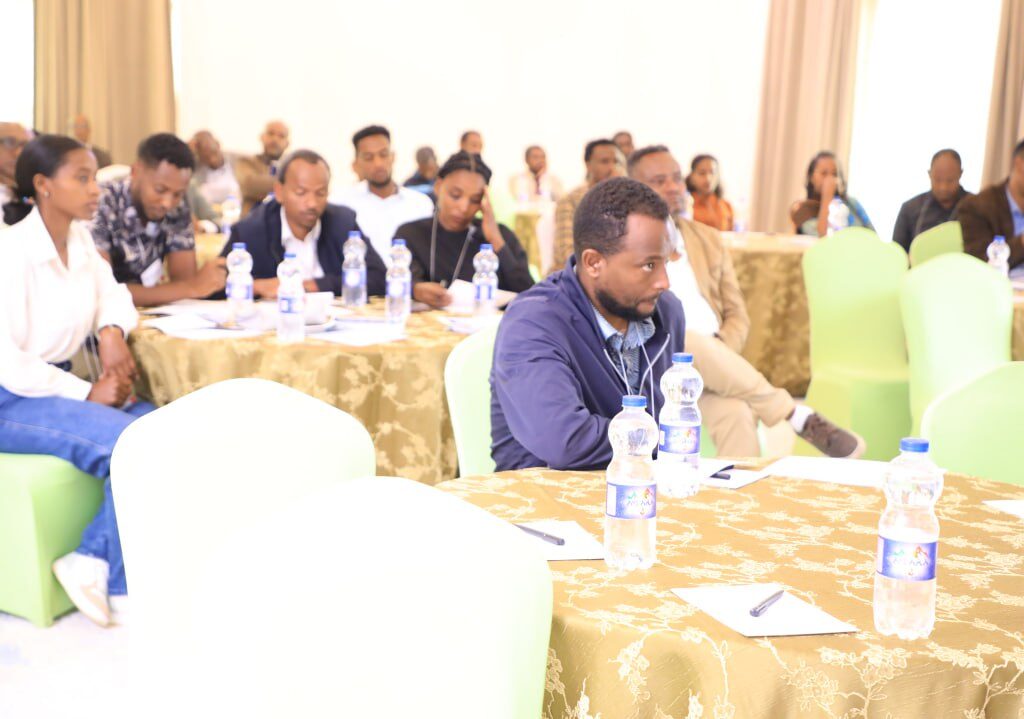
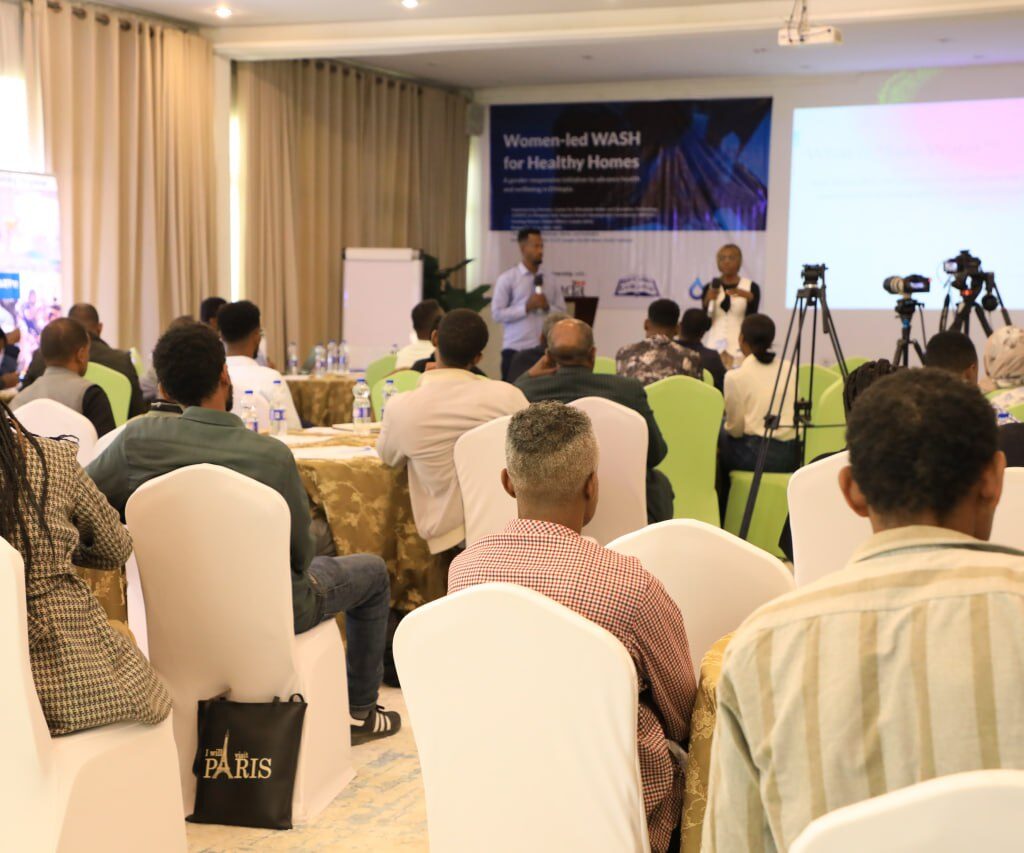
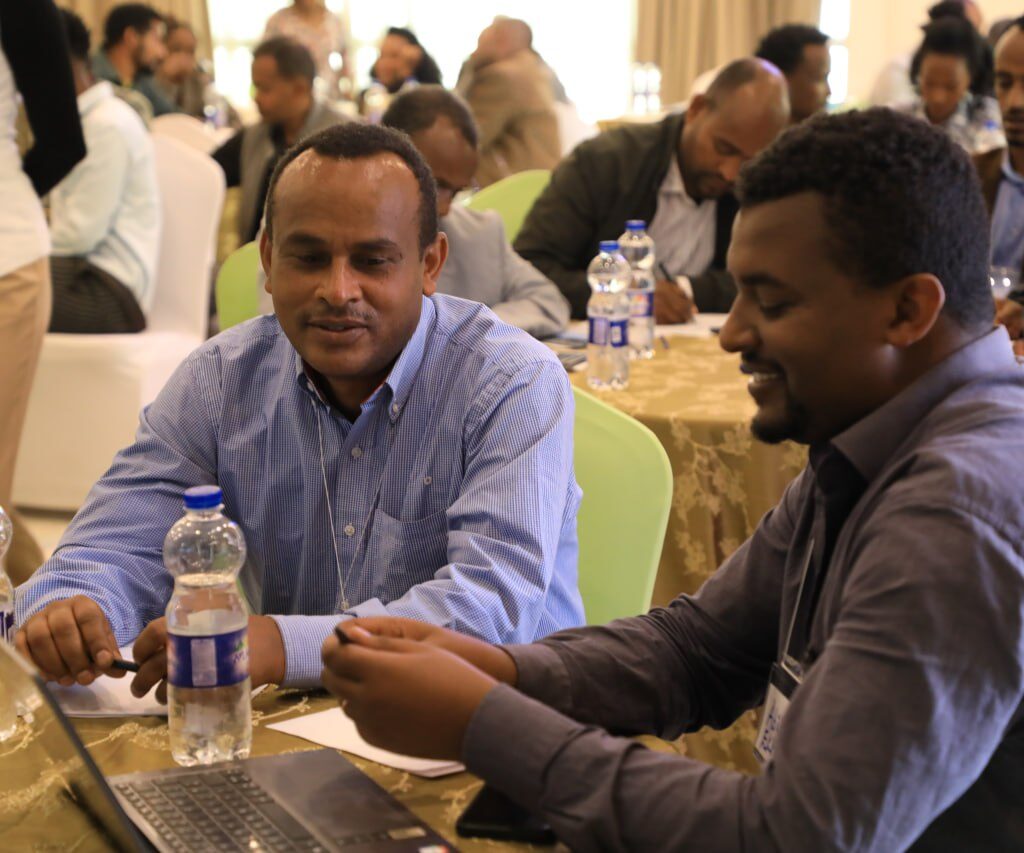
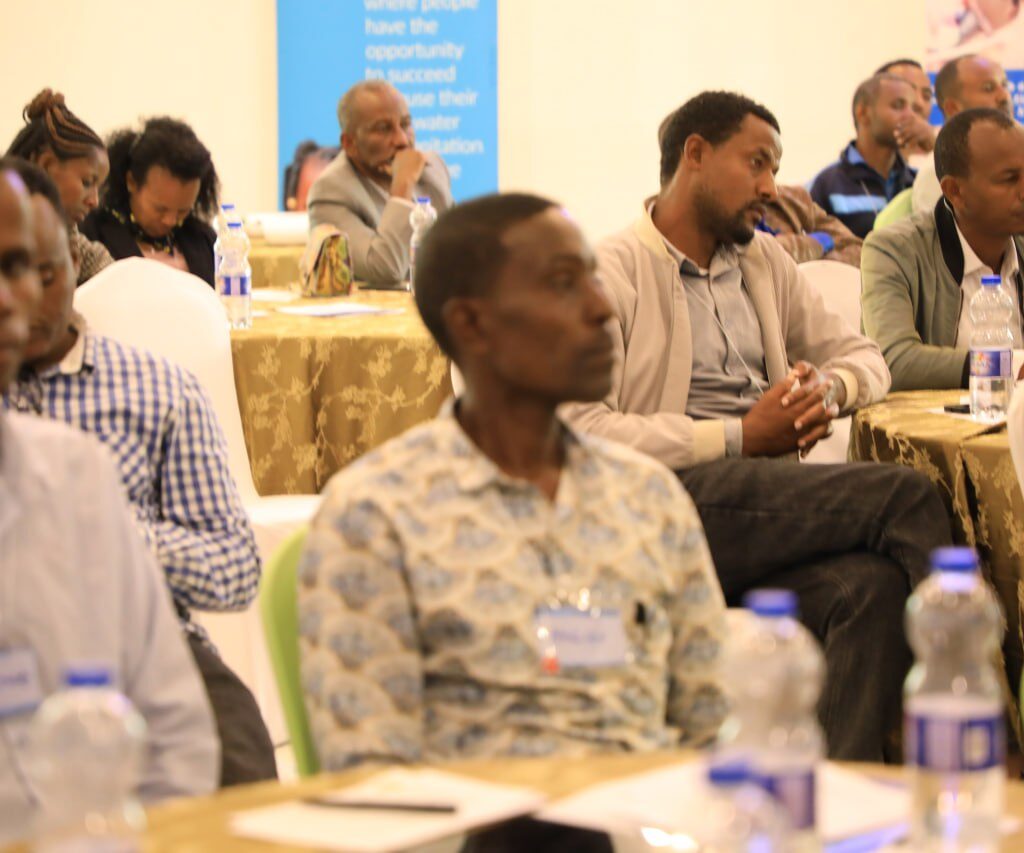
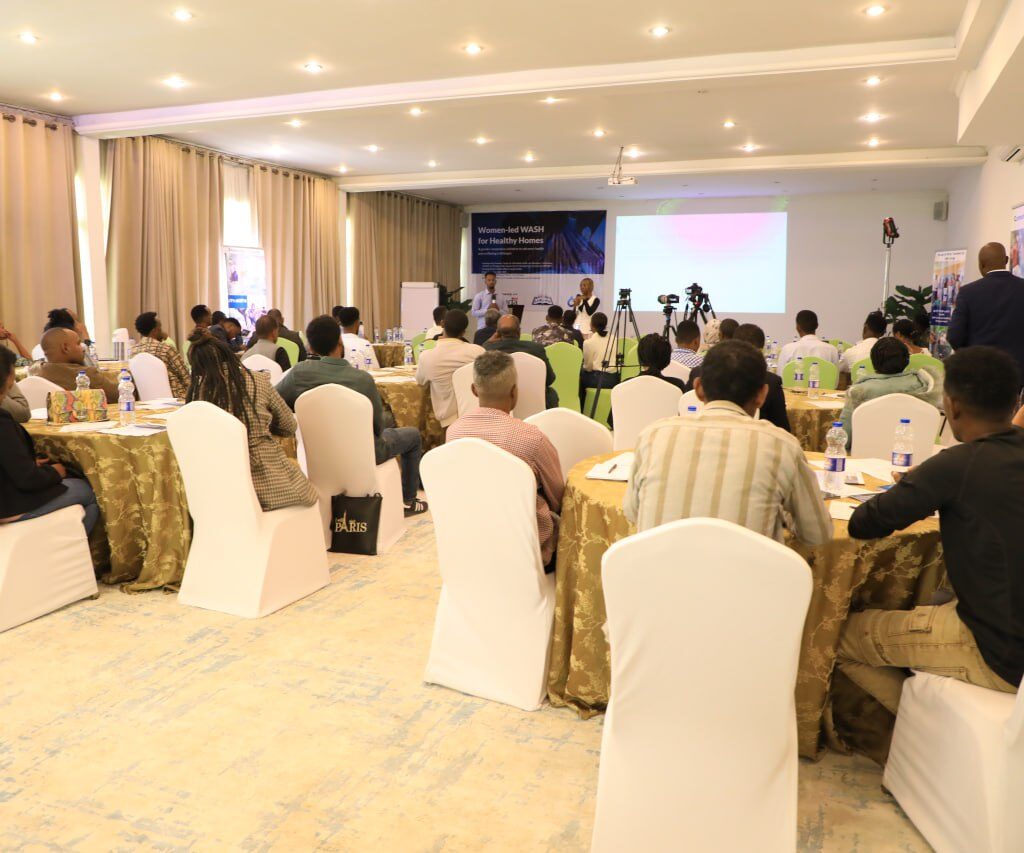
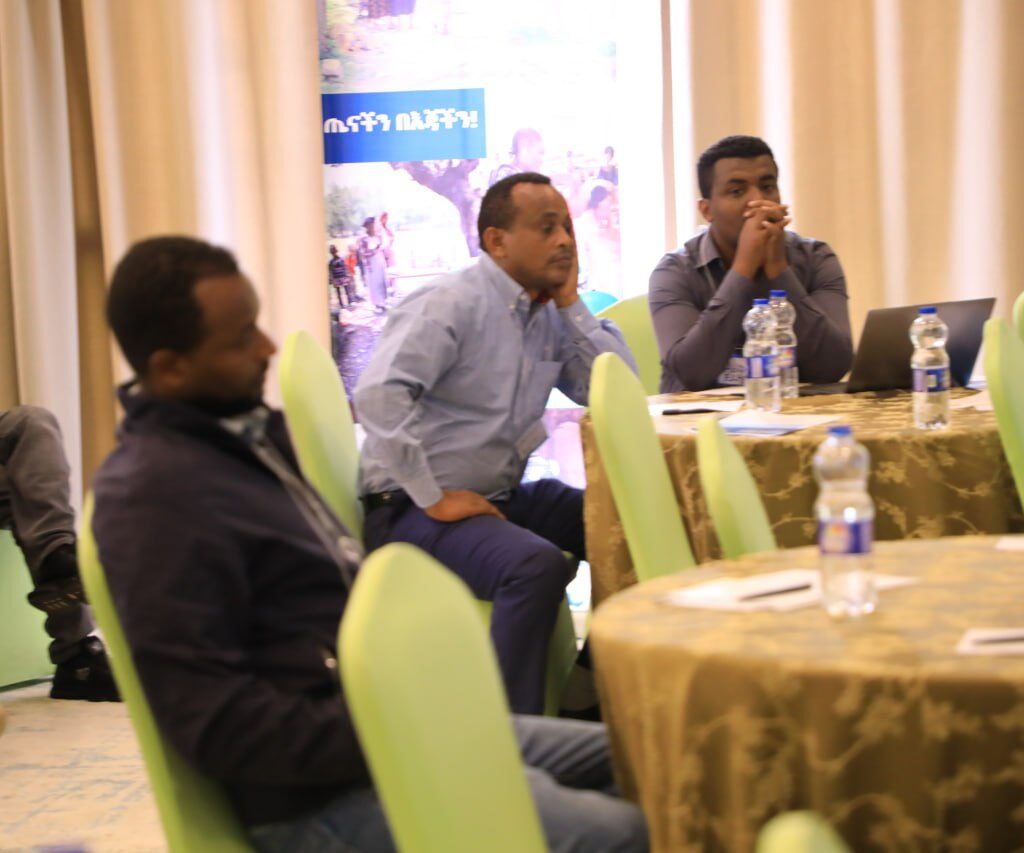
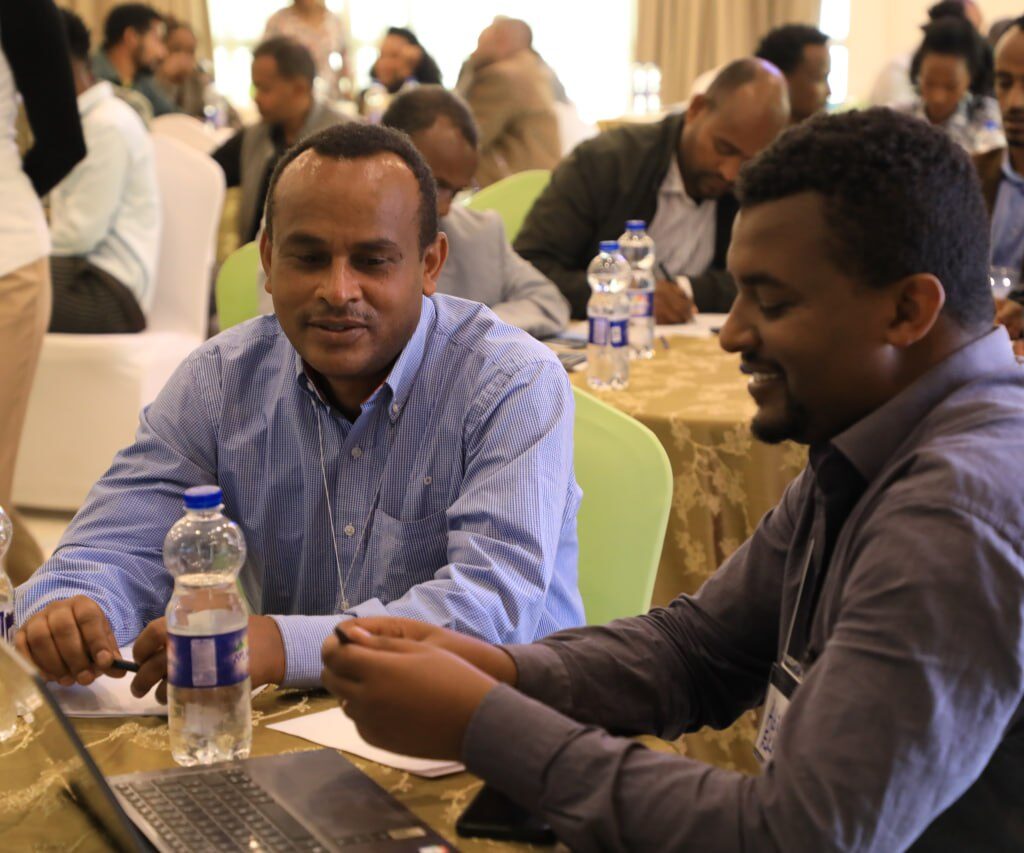
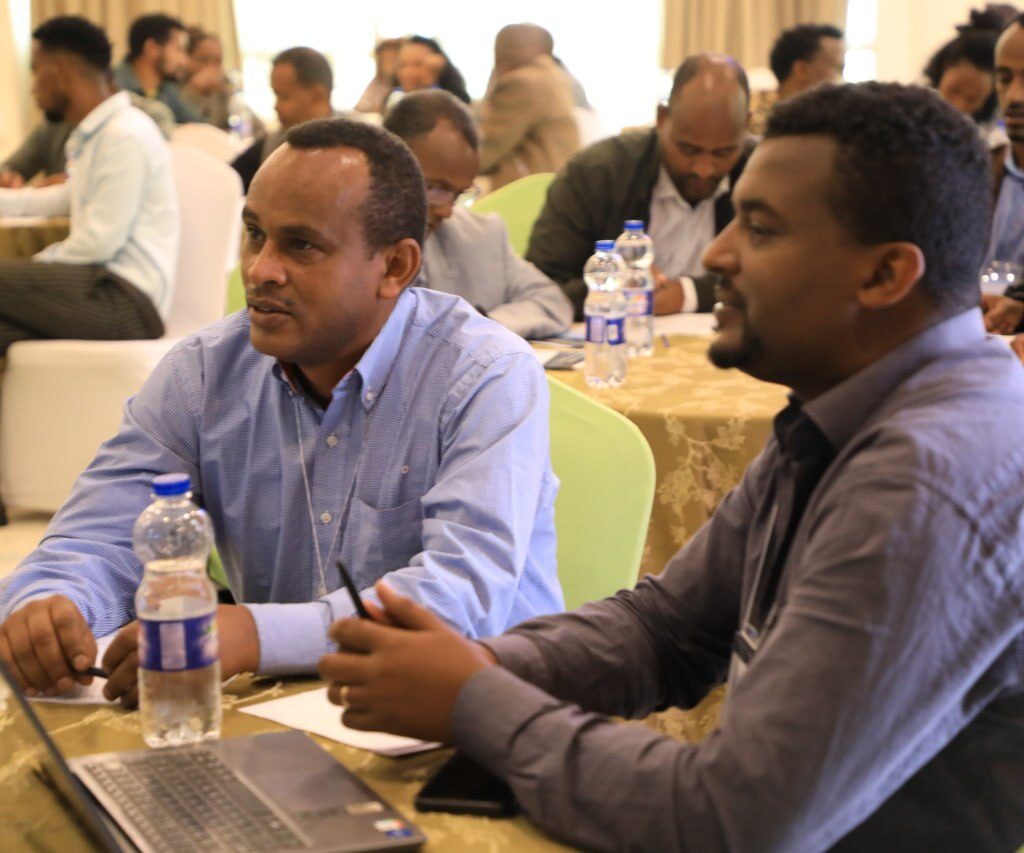
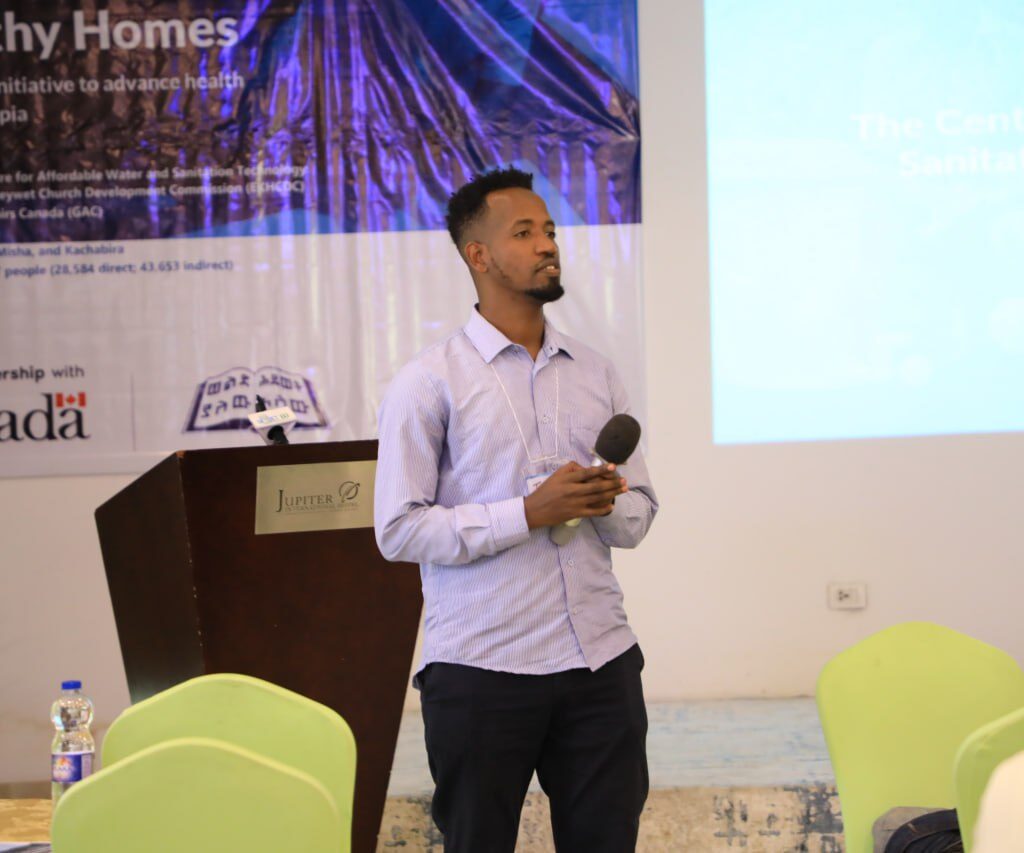
Addis Ababa, Ethiopia – The Ethiopian Kale Heywet Church’s Humanitarian Aid and Development Commission (EKHC-HADC) organized a two-day learning and experience-sharing workshop focused on household water treatment and safe storage. The event took place on May 27-28, 2025, at the Jupiter Hotel in Addis Ababa, bringing together key stakeholders from government ministries, regional offices, and partner organizations, including WASH product suppliers.
The workshop brought various stakeholders together and has created opportunities for learning and experience sharing on household water treatment and safe storage, aimed at improving the community’s access to potable water, sanitation, and improved hygiene through creating a linkage between beneficiaries and product suppliers.
Key Attendees and Objectives

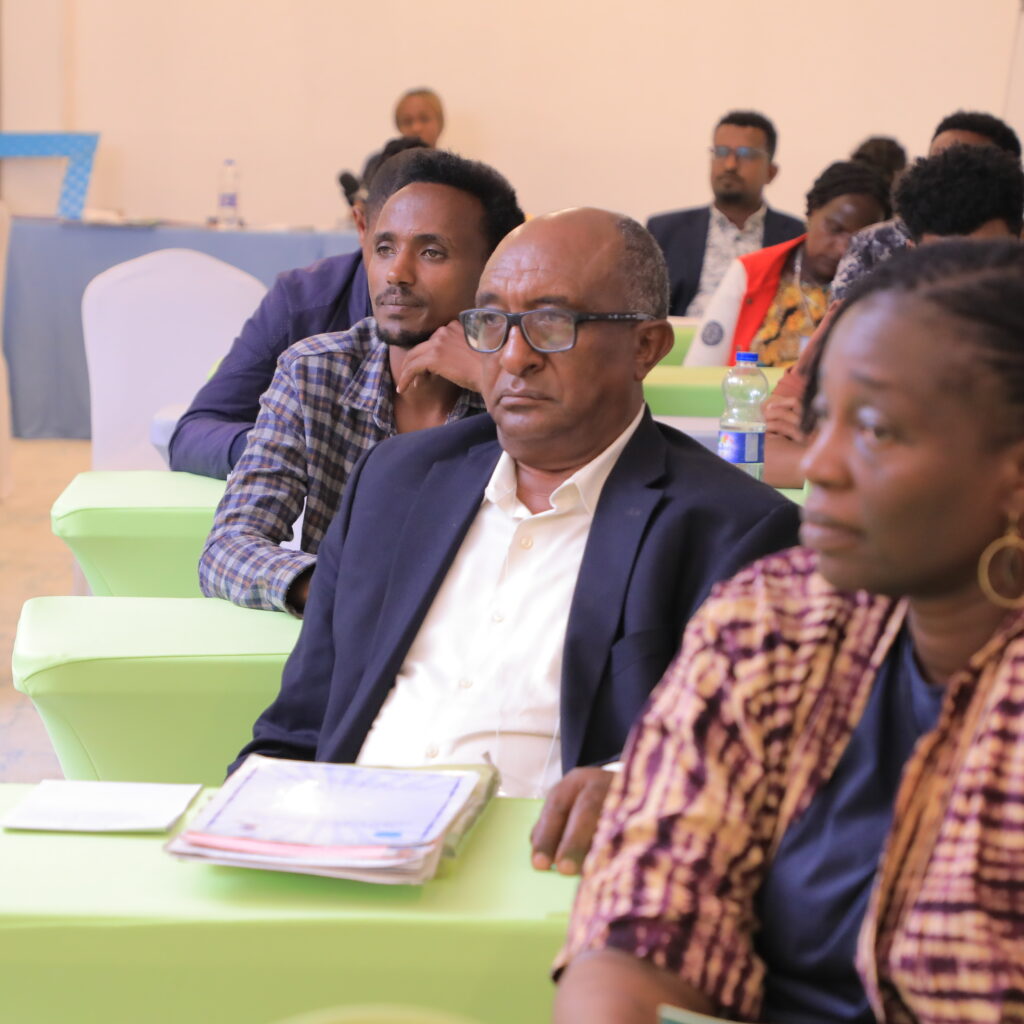
The workshop was attended by EKHC-HADC Deputy Commissioner Woyita Woza (PhD), representatives from the Ministry of Health, the Ministry of Water and Energy, and regional bureaus from Central Ethiopia. Participants also included officials from the Regional health, water, energy, and job creation bureaus, as well as various NGOs.
In his opening remarks, Woyita Woza (PhD) highlighted the church’s long-standing commitment to development and humanitarian work. He noted that EKHCDC implements nationwide projects in water access, healthcare, community development, disaster response, education, social services, and capacity building.
Impact of Water and Sanitation Projects
Woyita Woza(PhD) emphasized the commission’s collaboration with CAWST (Center for Affordable Water and Sanitation Technology) over the past 15 years, particularly in the Central Ethiopia Region. Recent efforts have significantly improved clean water access and hygiene practices in Kachabira Woreda (Kembata Zone), Misha Woreda (Hadiya Zone), and Abeshge Woreda (Gurage Zone). This household water treatment and safe storage workshop is a pivotal stage to share vital experiences and create a linkage between communities and water treatment product/technologies suppliers.
This project has been targeted to benefit about 81,746 people across 16 kebeles in the project areas.
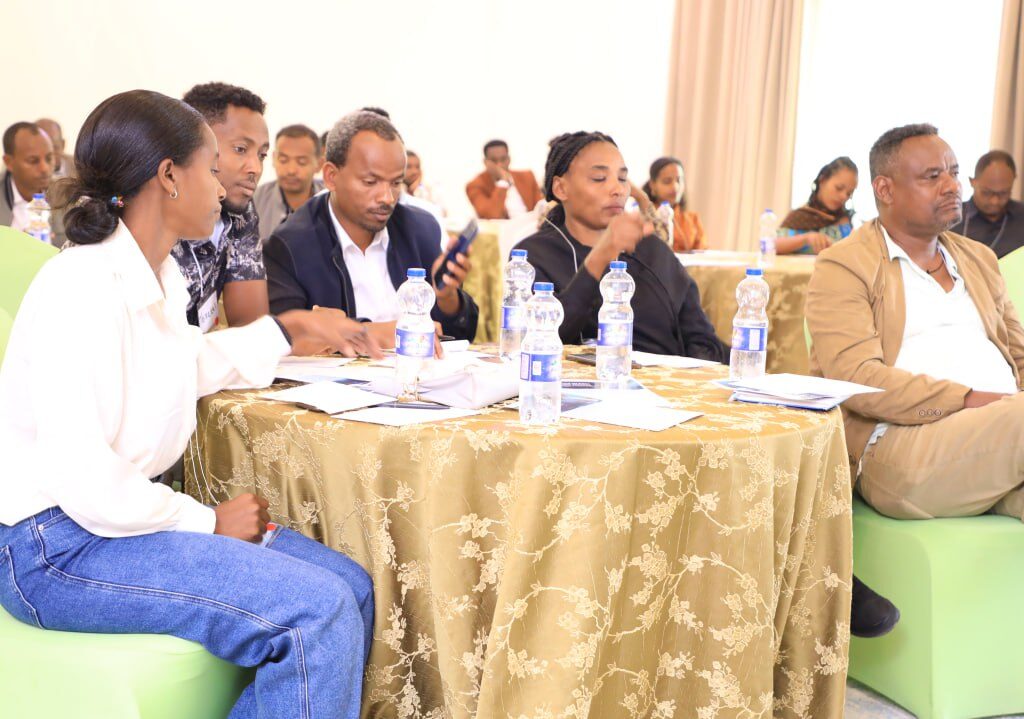
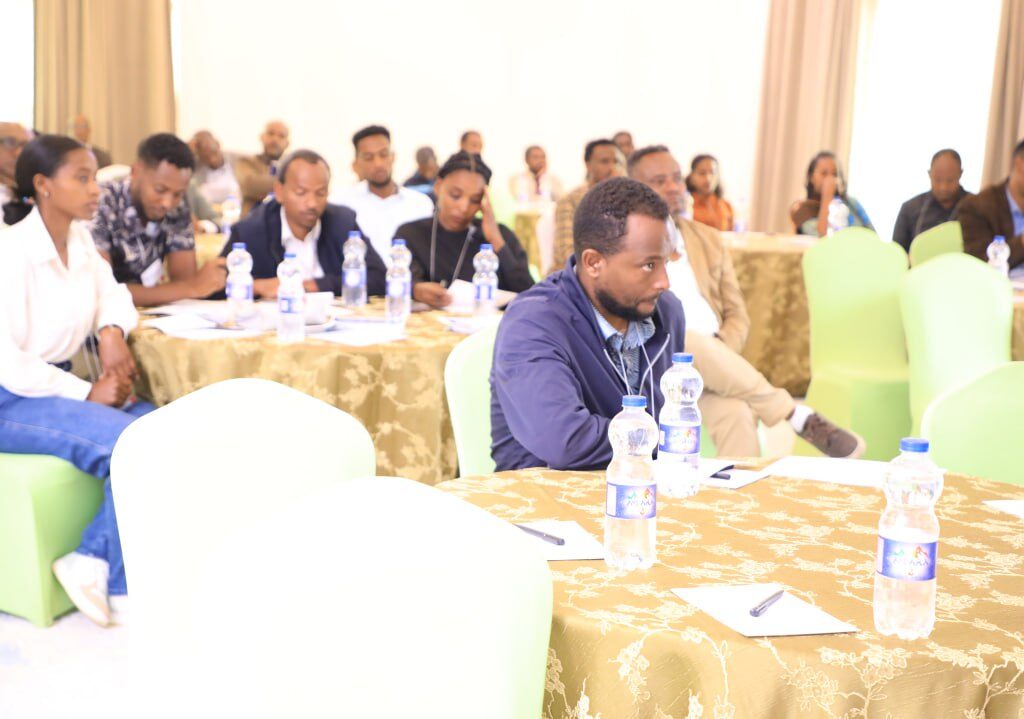
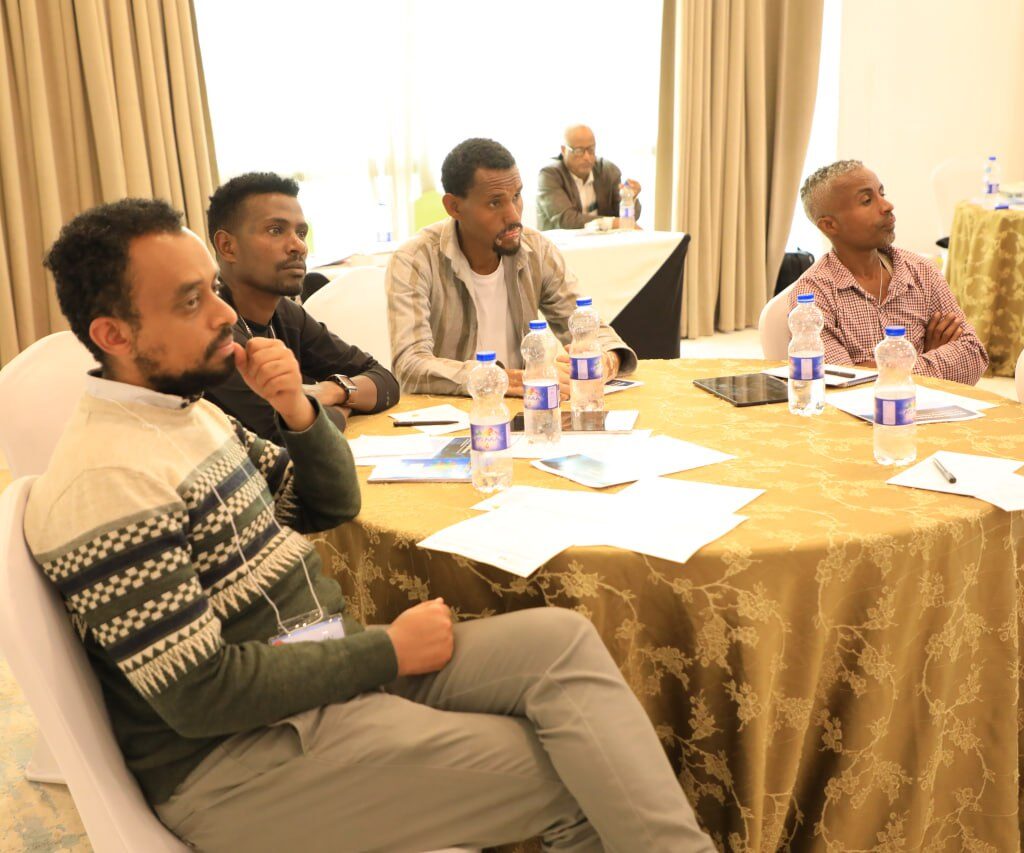
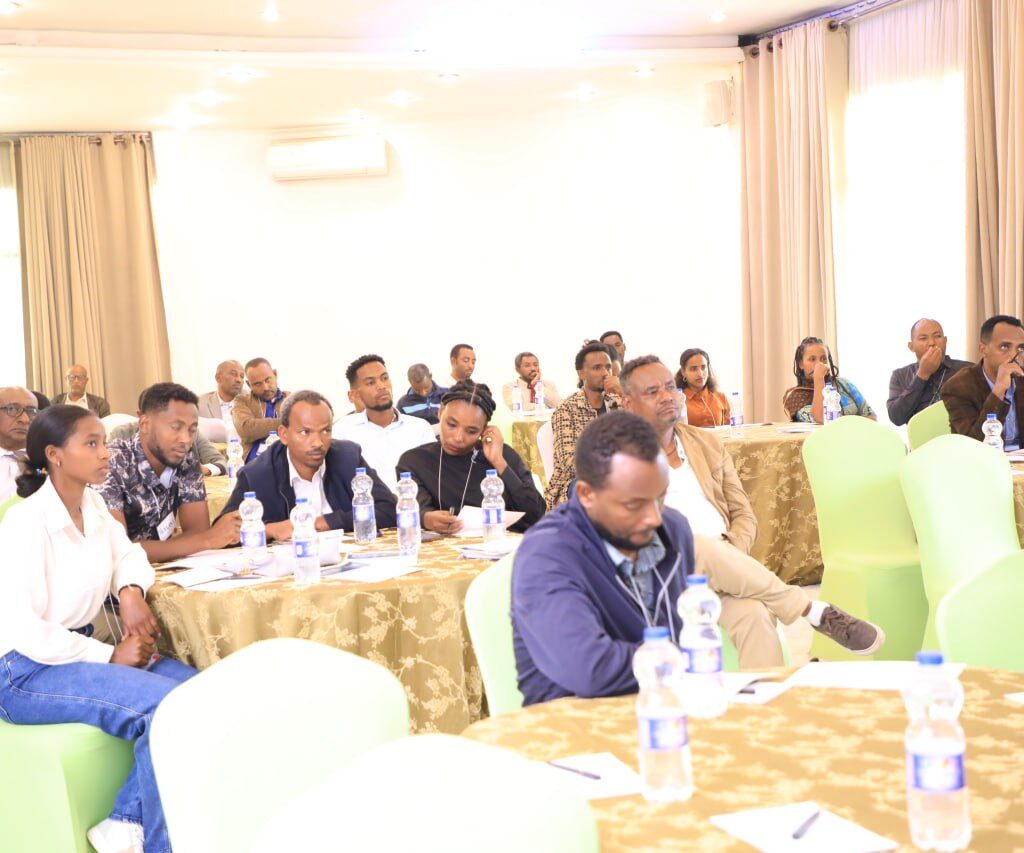
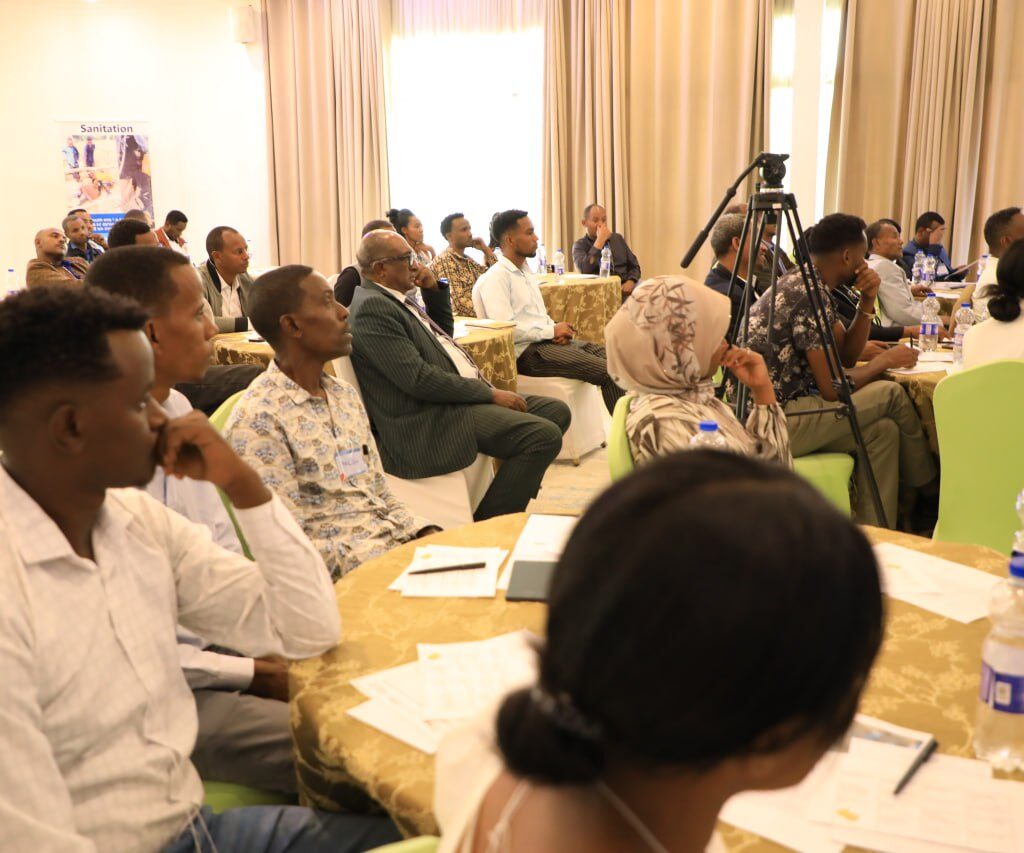
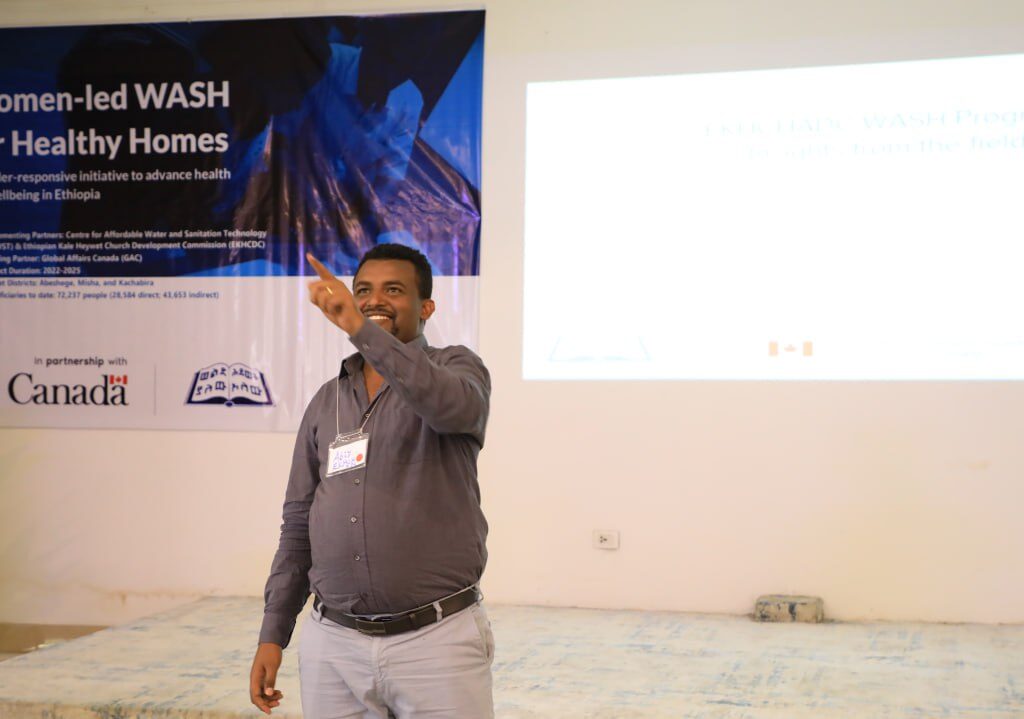
Abiy Gezahegn, Senior Water Quality Monitoring Officer at EKHC-HADC, highlighted the EKHC-HADC and GAC/CAWST efforts in improving the community’s understanding of household water treatment, sanitation, and hygiene practices. He also presented the progress impact of the project on the communities, underlining that the community’s sanitation, hygiene practice, and household water treatment culture showed significant improvement. Currently conducted survey, the community’s HWTS increased from 9% at the baseline survey to 42% due to provided hygiene training and infrastructure improvements.
Government and Partner Contributions
A representative from the Ministry of Health emphasized that 60% of Ethiopia’s health issues are attributed to poor sanitation and unsafe water use. He commended EKHCDC’s efforts in preventing waterborne diseases and promoting healthier communities.
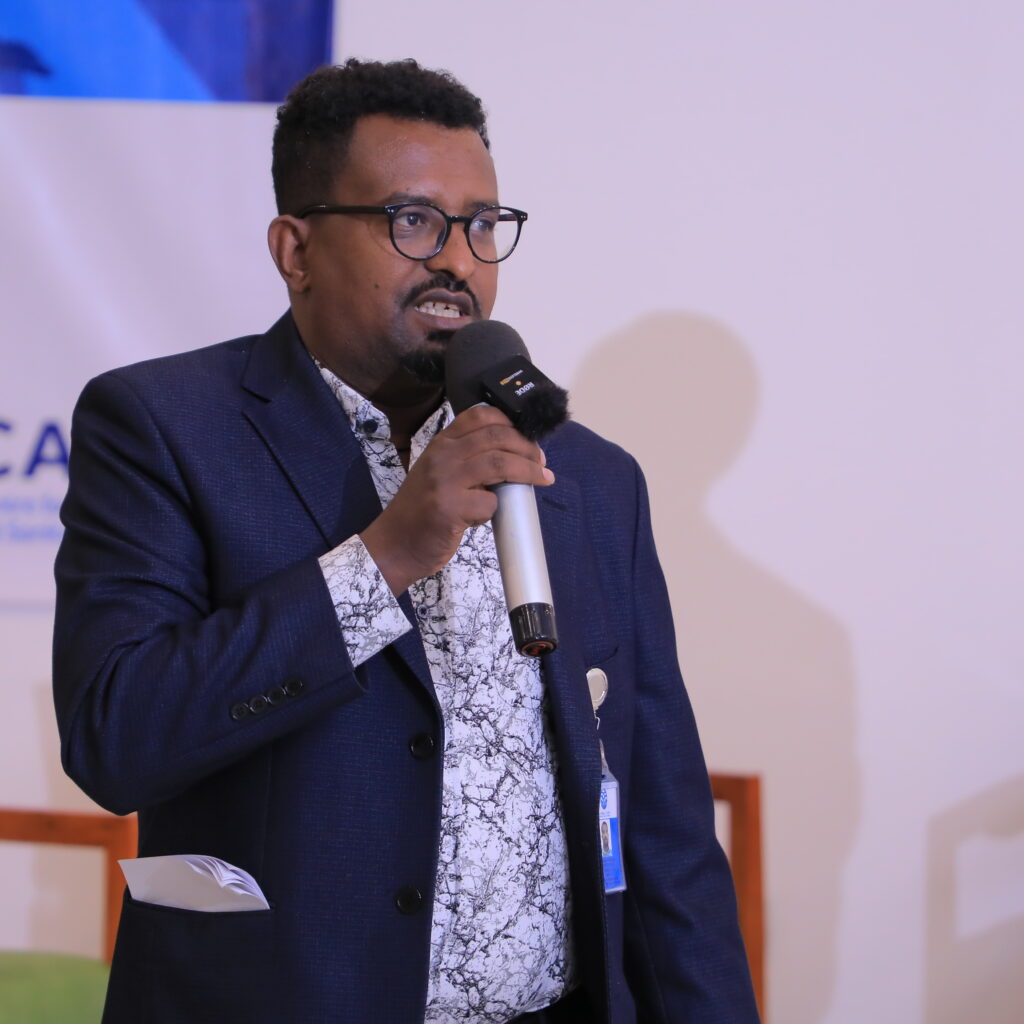
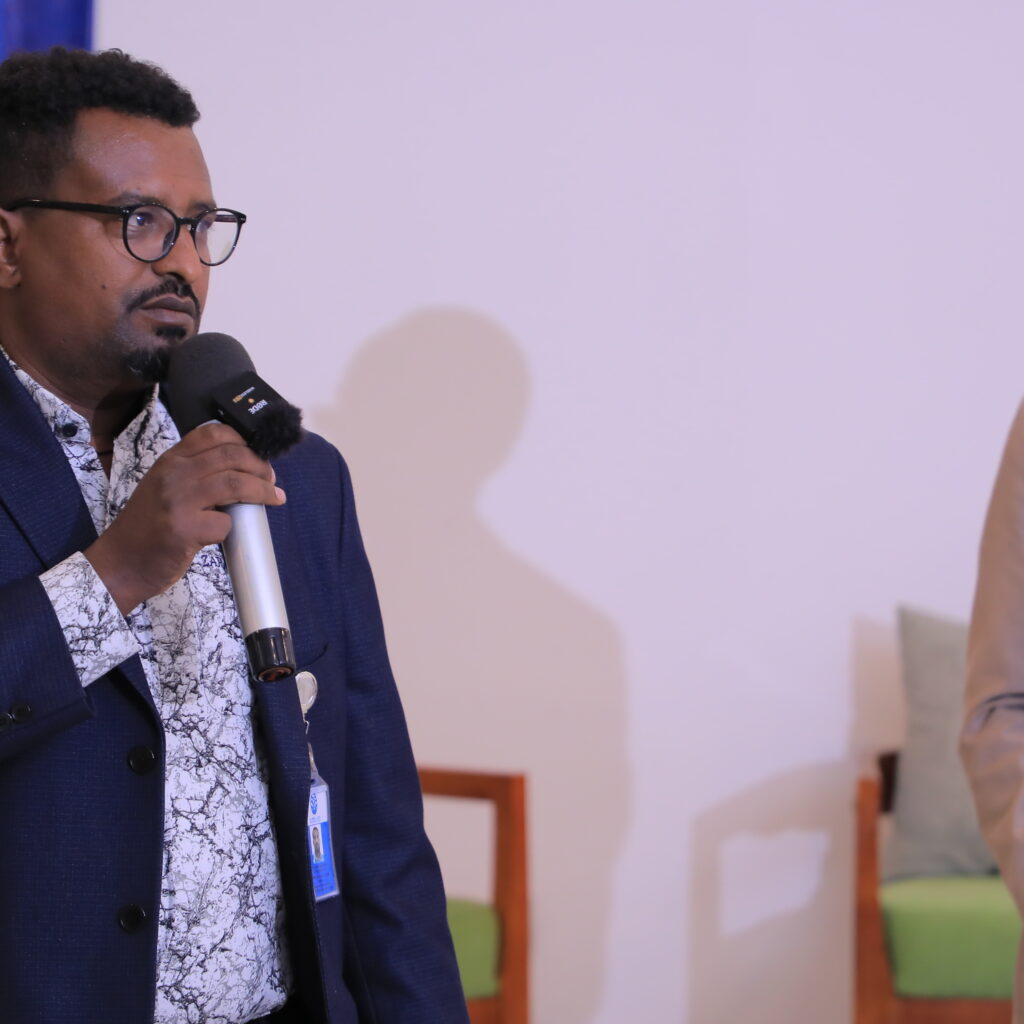
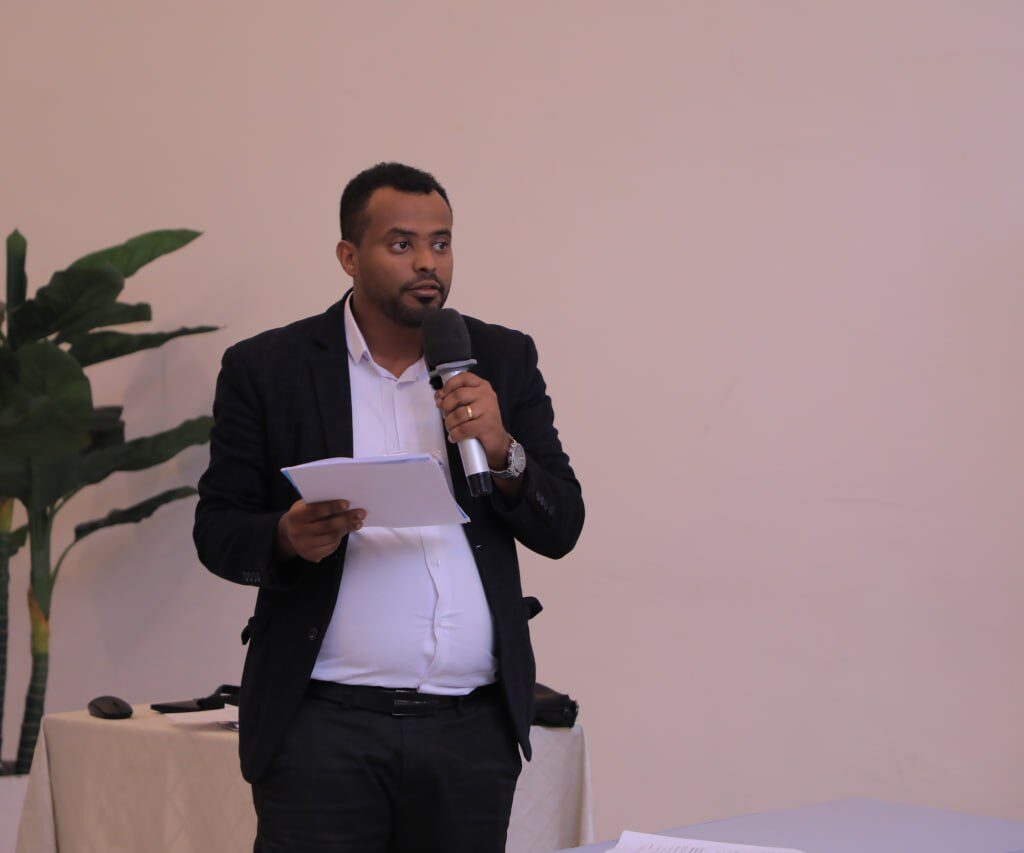
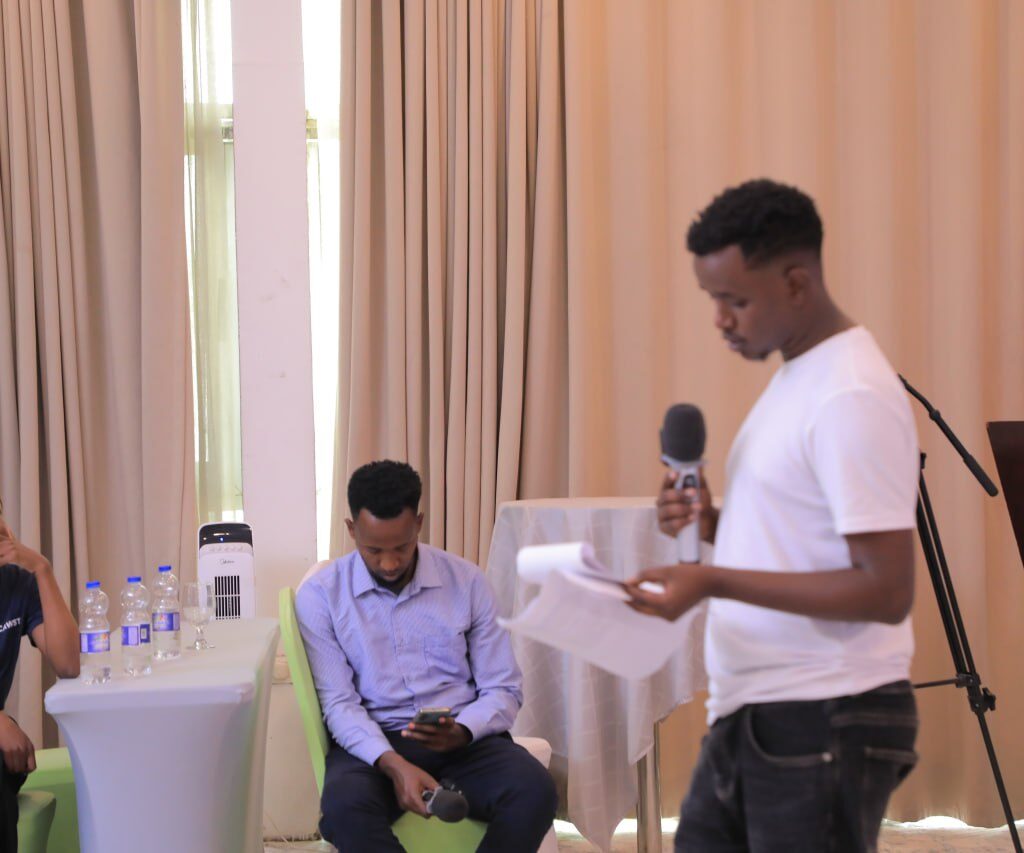
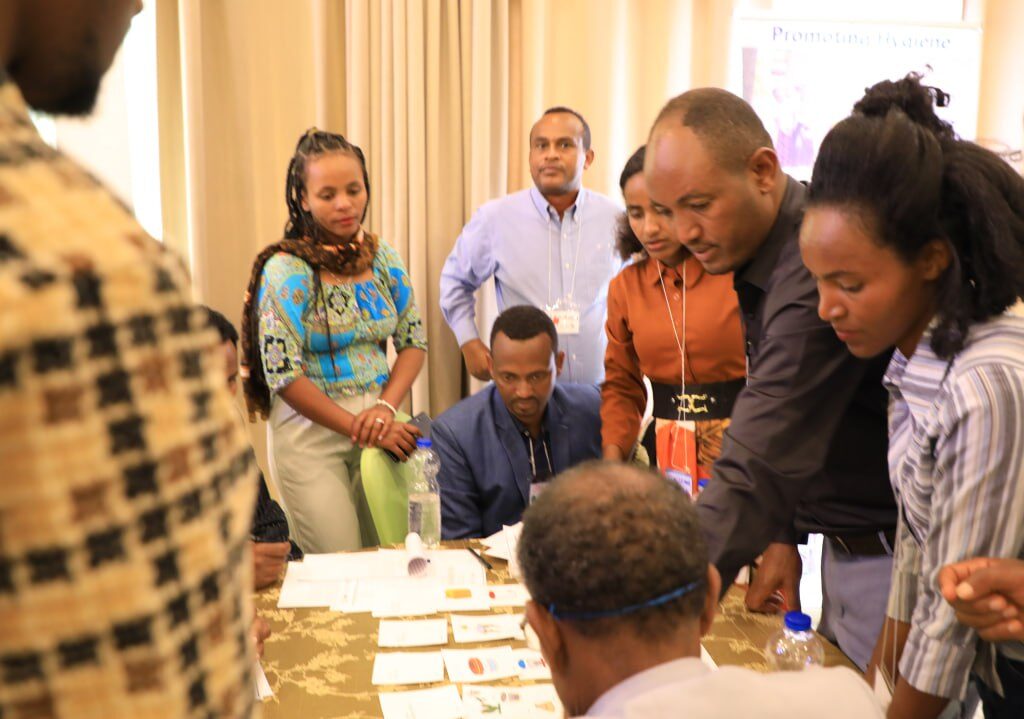
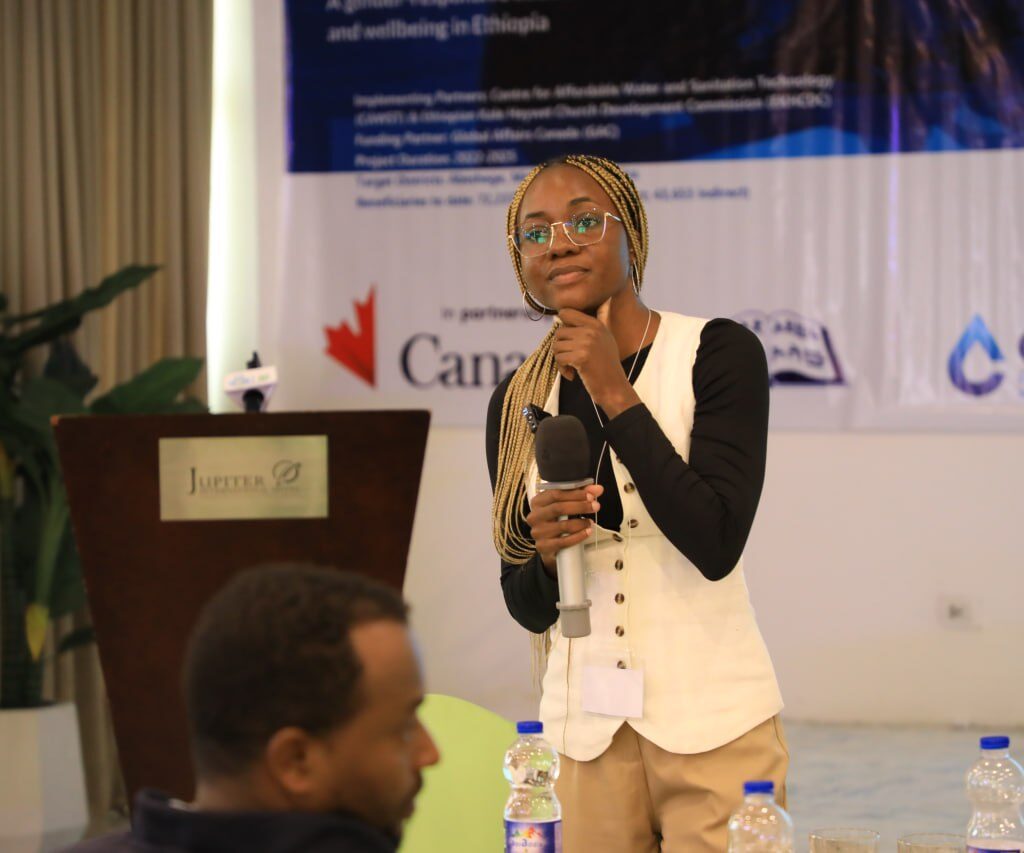
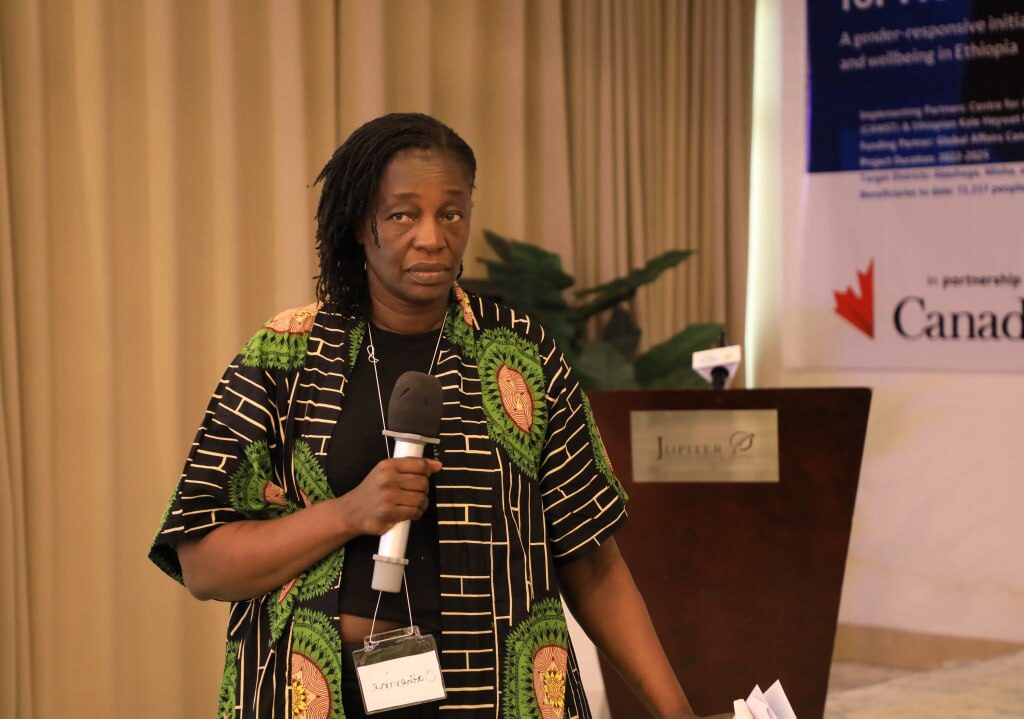
The workshop also featured training sessions and discussions on household water treatment and safe storage. Catherine Jura Sentamu, Learning and Development Advisor at CAWST, and Adefolawe Adeyeye, MASc, Global WASH Advisor, Africa at CAWST, shared vital knowledge and experience about household water treatment and commended utilizing better affordable water treatment technologies will enable communities to have clean water and a healthier life. So far, this project has benefited about 72 thousand beneficiaries in the targeted area.
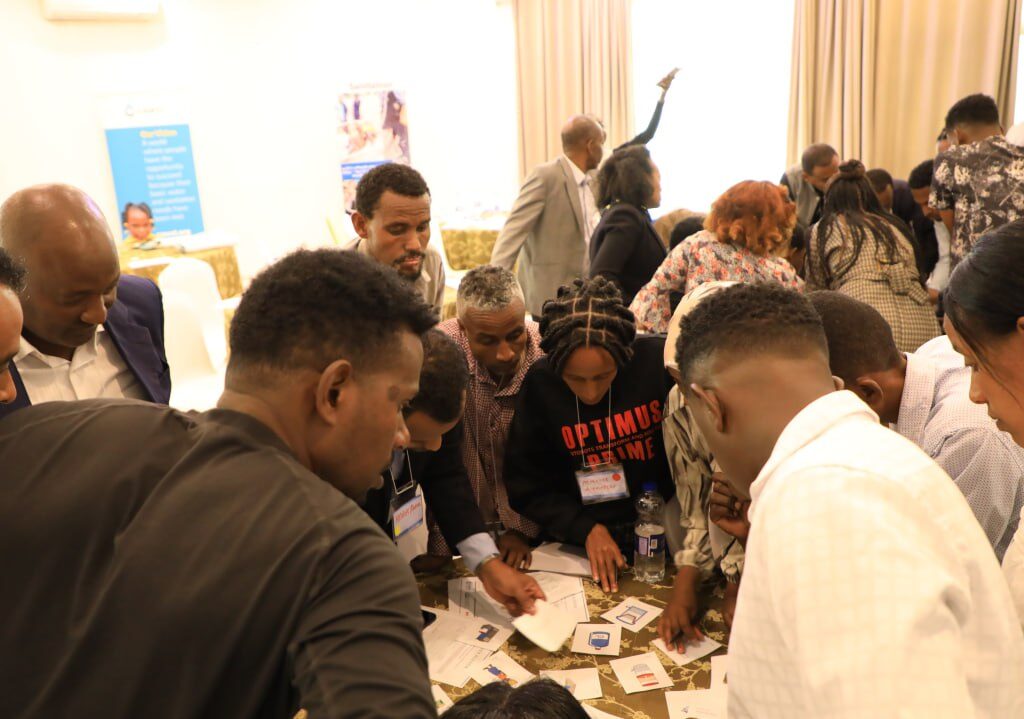
Participants also firmly discussed: Partnerships & Institutional Engagement for HWTS Impact, Market Systems & Product Distribution, Behaviour Change, Knowledge Translation & Impact, Sustainability, Scale & User-Centered Design.
Gratitude to Supporters
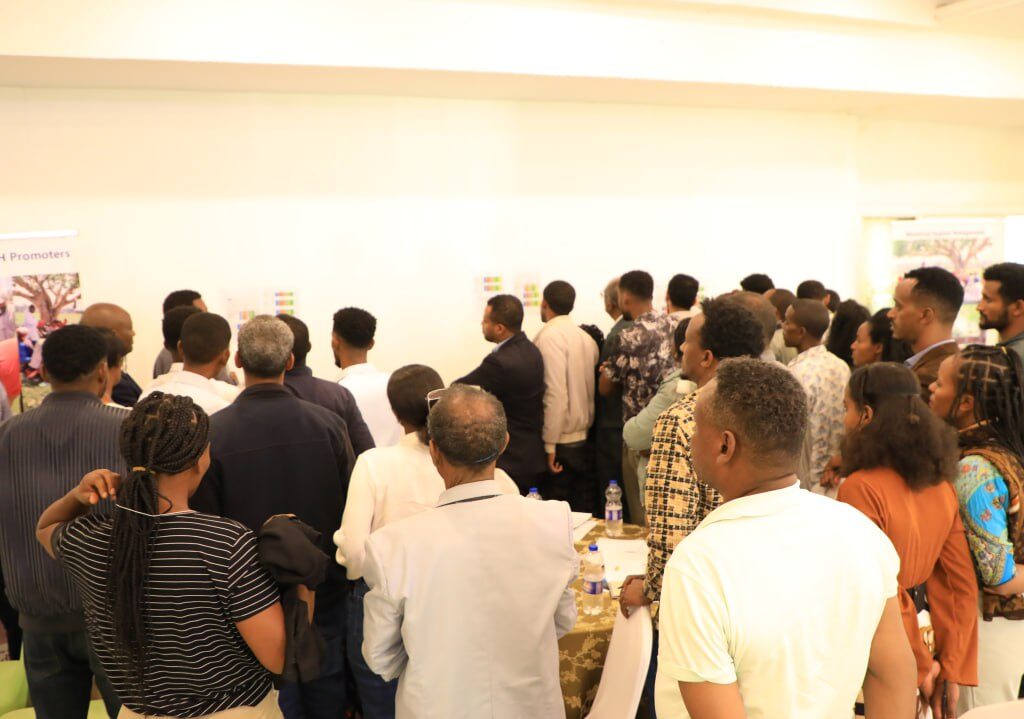
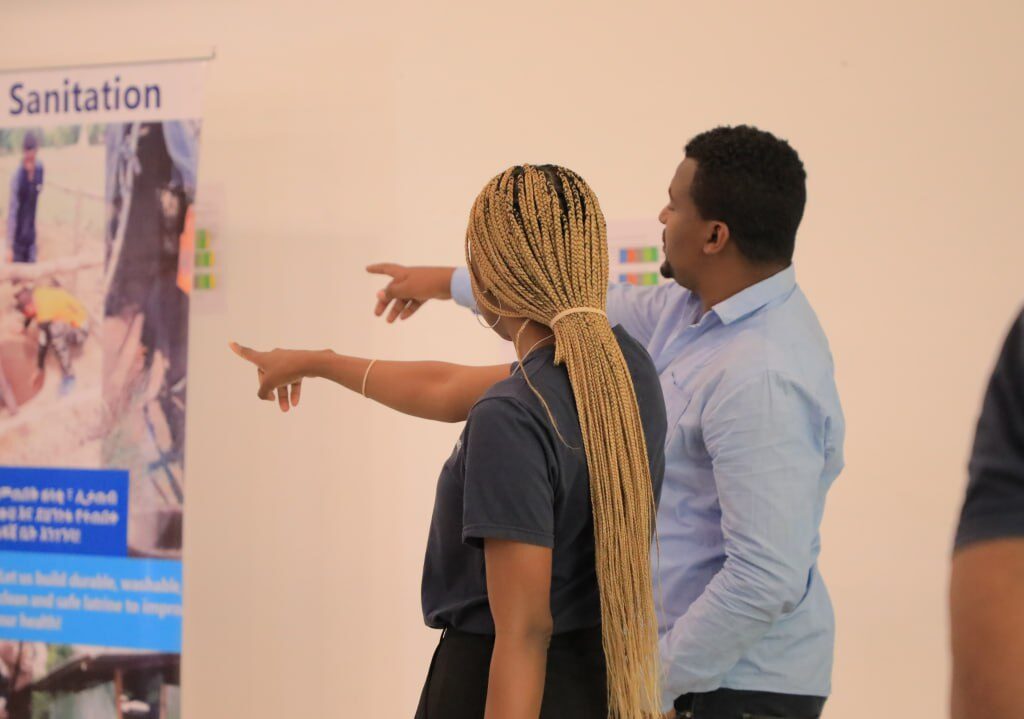
Woyita Woza (PhD) extended gratitude to GAC (Global Affairs Canada) and CAWST for their financial and technical support, as well as government partners for their collaboration to improve the community’s understanding and practice towards household water treatment, sanitation, and hygiene. This project initiative marks a critical step toward achieving clean water access and improved hygiene in Ethiopia, aligning with national health and development goals despite contributing its share to continental and international development goals. Suppliers have showcased their household water treatment products in the workshop for the participants, which bridges/creates linkages between suppliers and project beneficiaries/the communities to access the water treatment products/technologies at affordable prices.


Add a Comment