
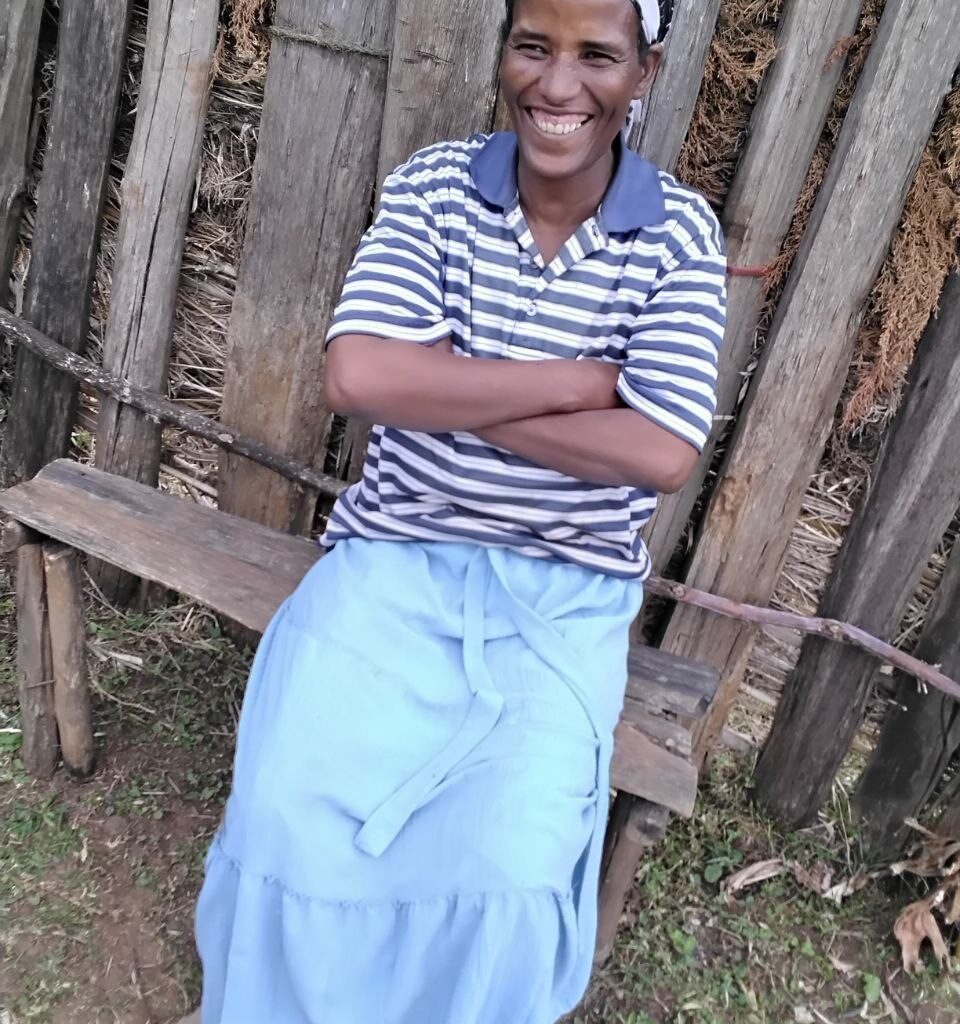
Location: Central Ethiopia – Hadiya Zone, Misha Woreda, Kunafa Keble
Introduction
In the newly reorganized Central Ethiopia region, formerly known as SNNPR, we have turned our focus to the Hadiya zone, particularly the Kunafa keble of Misha district—one of sixteen targeted kebeles by our Women Lead WASH for Healthy Homes project. This initiative aims to enhance the health and well-being of the community through improved water, sanitation, and hygiene (WASH) practices.


Baseline Assessment: WASH & MHM Practices
In 2022, the GAC/CAWST/EKHCHADC(the Ethiopian Kale Heywet Church Humanitarian Aid and Development Commission) consortium conducted a baseline survey to assess WASH and Menstrual Hygiene Management (MHM) practices in our targeted kebles. The survey exposed a pressing issue: on average, children in this area suffered from waterborne or diarrheal diseases approximately six times a year.
In response to these findings, our project has implemented targeted interventions, collaborating with local stakeholders such as district WASH coordinators, community WASH promoters (CWPs), and various community-based organizations (CBOs) and faith-based organizations (FBOs). The overarching goal of the Women Lead WASH for Healthy Homes project is to empower community members to improve their health by implementing effective Household Water Treatment and Storage (HWTS) practices.
Water Quality Assessment: Key Findings
Before the start of HWTS training, we conducted thorough water quality tests at various sample points—including source water, household water, and school water. The results were concerning: while contamination was detected at multiple sources, household water exhibited the highest contamination levels due to inadequate storage methods and poor hygiene practices.
HWTS Training and Community Empowerment
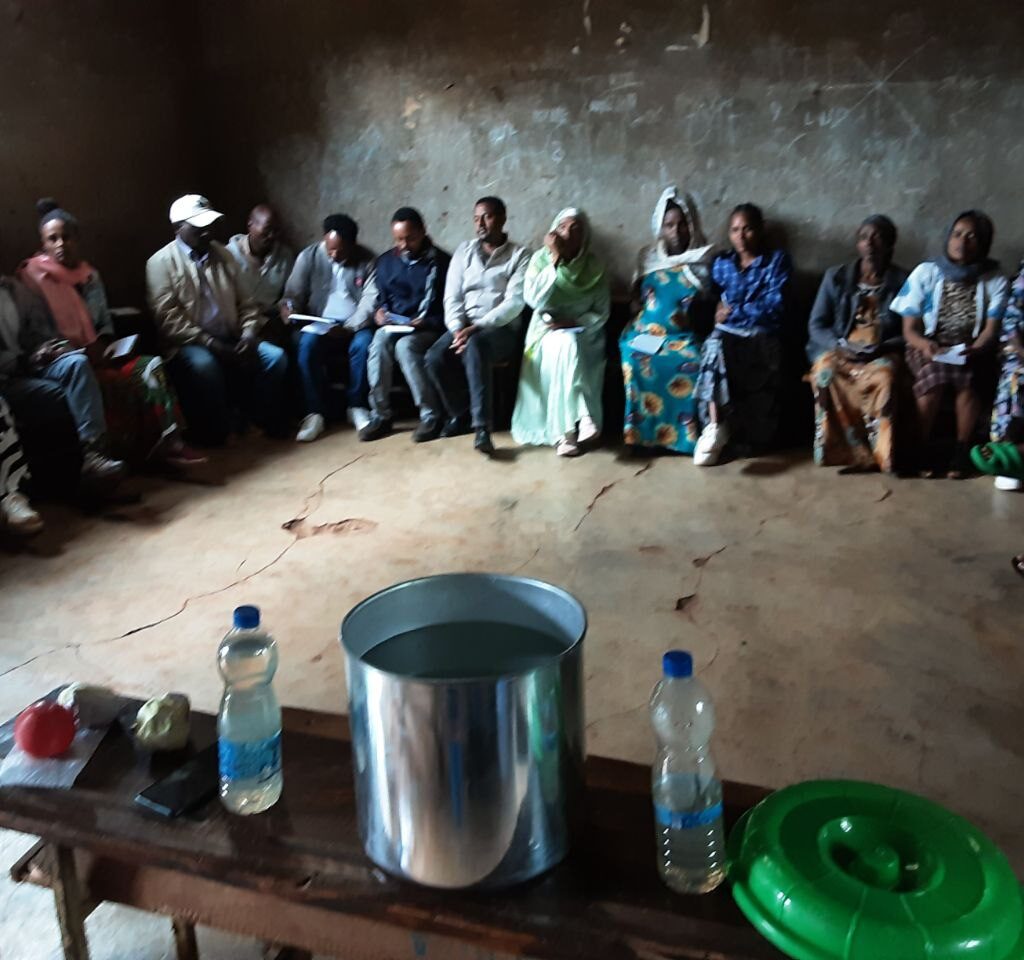
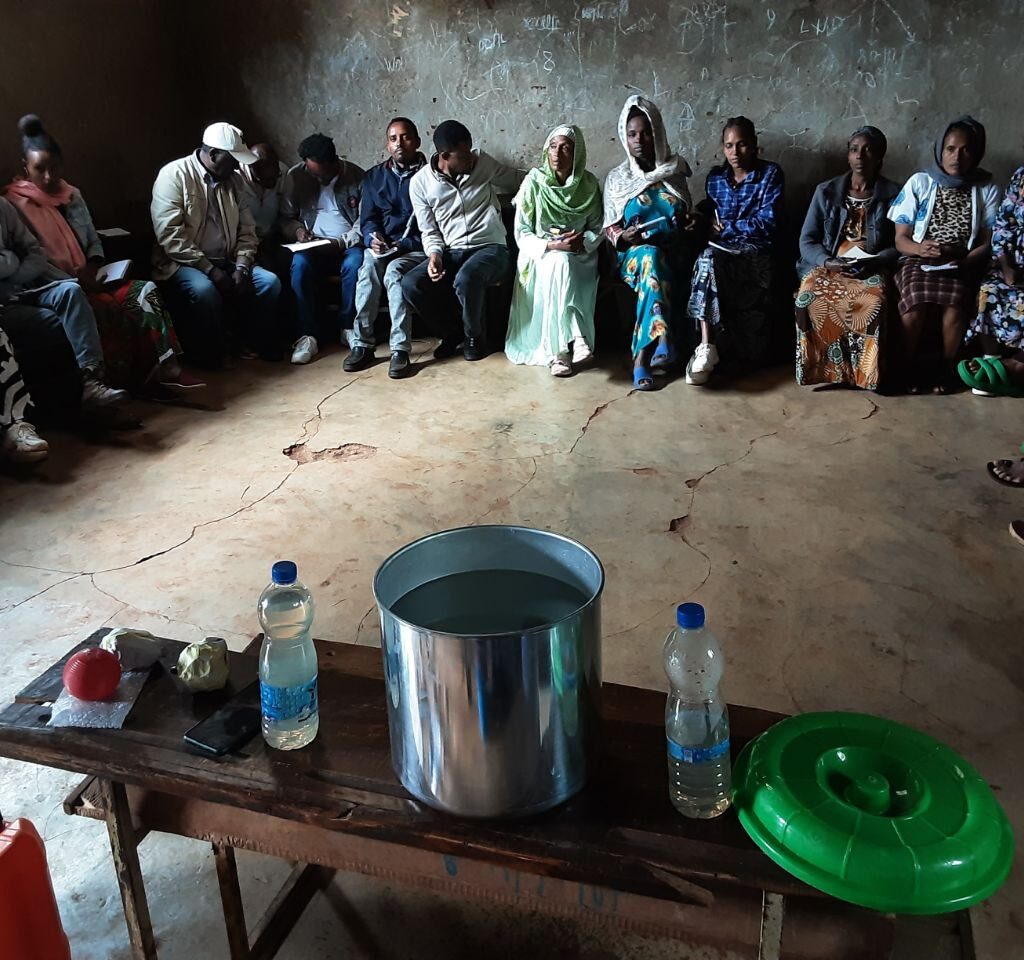
Following the assessment, we organized interactive HWTS training sessions designed to provide community members with practical skills for purifying their drinking water. During these sessions, participants received both theoretical knowledge and hands-on training.


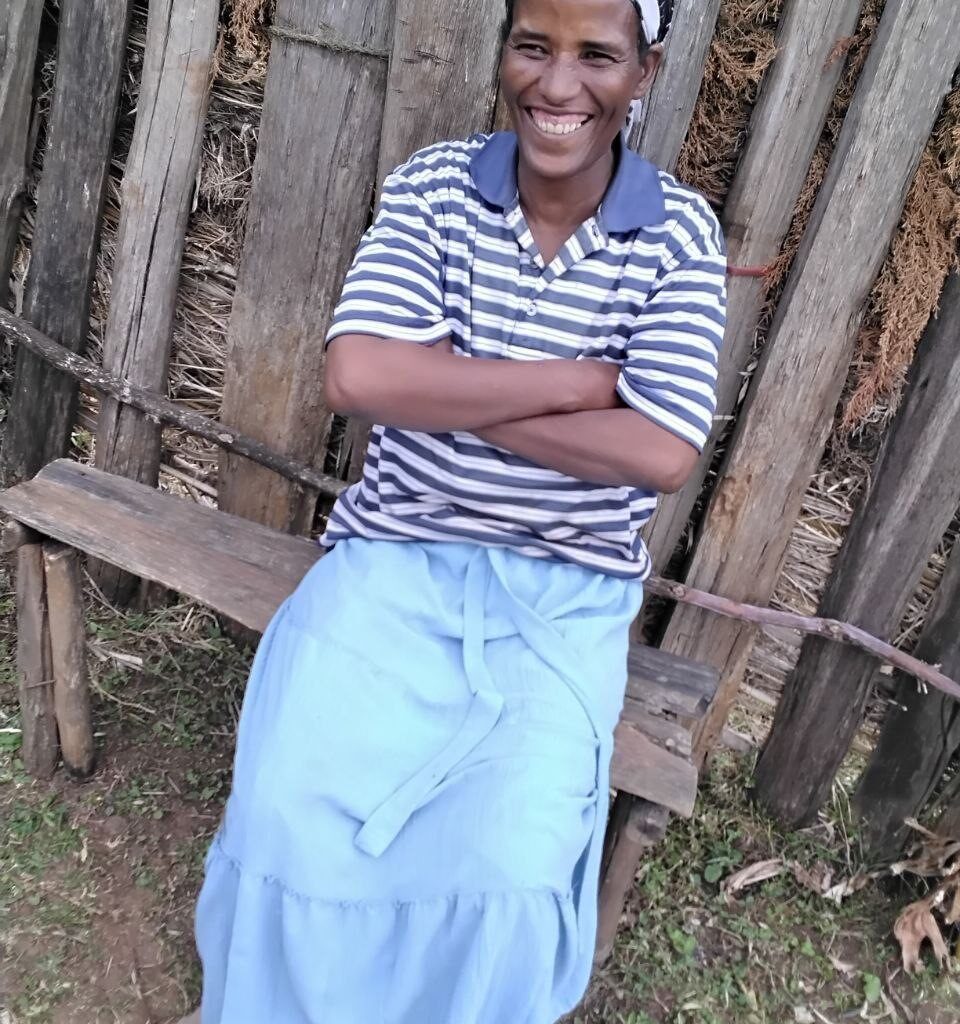
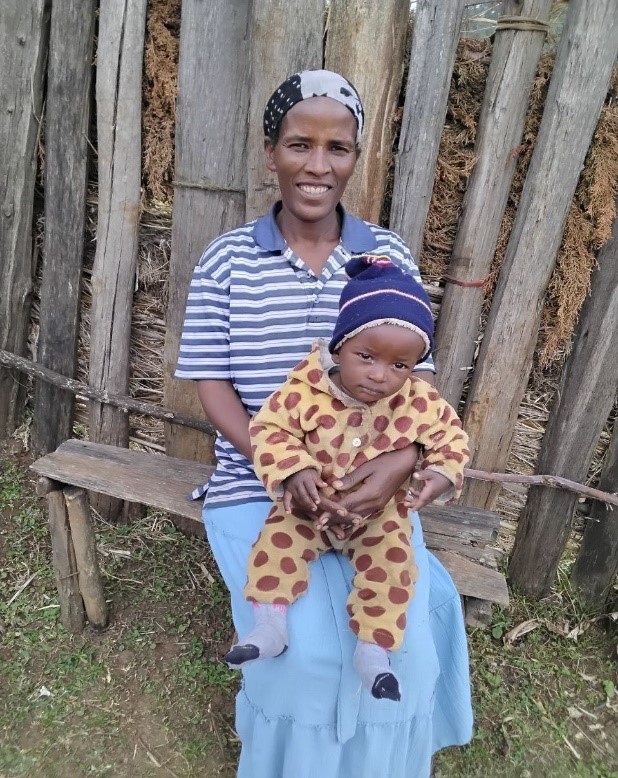
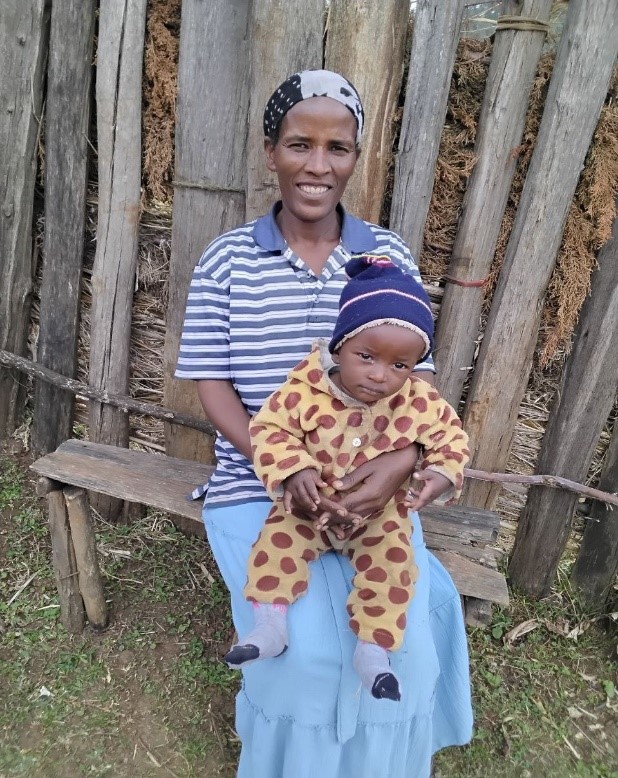
One notable participant, Ms. Shifte Kemal, a member of the Women Development Army in Kunafa keble, she arrived with her three-year-old son, she expressed concerns about her three-year-old son, who frequently experienced diarrheal illnesses, forcing her to make regular visits to health centers. This was a direct consequence of her family relying on unprotected spring water in their Keble. Despite her interest in HWTS options, she felt overwhelmed by the costs.
However, during the training, participants were introduced to several cost-effective water treatment methods, including boiling, filtration using clean cloths, sedimentation, and SODIS (Solar Water Disinfection). The training aimed not only to educate but also to reassure participants like Ms. Shifte Kemal that there are accessible and affordable ways to purify their water at home.
Successful Outcomes and Future Commitment
Two months later, during our visit to the Keble for other project activities, we had the pleasure of reconnecting with Ms. Shifte. She enthusiastically shared that she had begun putting the knowledge and skills from the HWTS training into practice, starting with treating her drinking water. She now uses a two-step process: filtering water through folded cotton cloth, followed by boiling it. With ongoing support from the CWPs in Kunafa Keble, her six family members have enjoyed better health, remaining free from waterborne diseases. This has also freed her from the annual medical expenses of 1200 birr previously spent on treating such illnesses. Now, Ms. Shifte Kemal is not just a participant but a passionate advocate, dedicated to educating other households in her community about safe water practices.
Empowerment and Community Impact
By engaging community members and leveraging the leadership of local women, the Women Lead WASH for Healthy Homes project aspires to create lasting change. With continued support and the collective effort of participants like Ms. Shifte, we envision a healthier future for families in Kunafa keble.
Add a Comment